

I started gaming in 2002. My first PC was far from what anyone would call a gaming setup today. It had a bulky CRT monitor, beige-colored components, and a cabinet that sat quietly under the desk. There were no glowing lights, no transparent side panels, and certainly no RGB effects. Back then, if your PC could run a game smoothly, that was all that mattered.
Gaming hardware looked very different in those days. Most computers were designed for functionality rather than appearance. The idea of spending extra money just to make a PC look good would have seemed strange to many gamers.
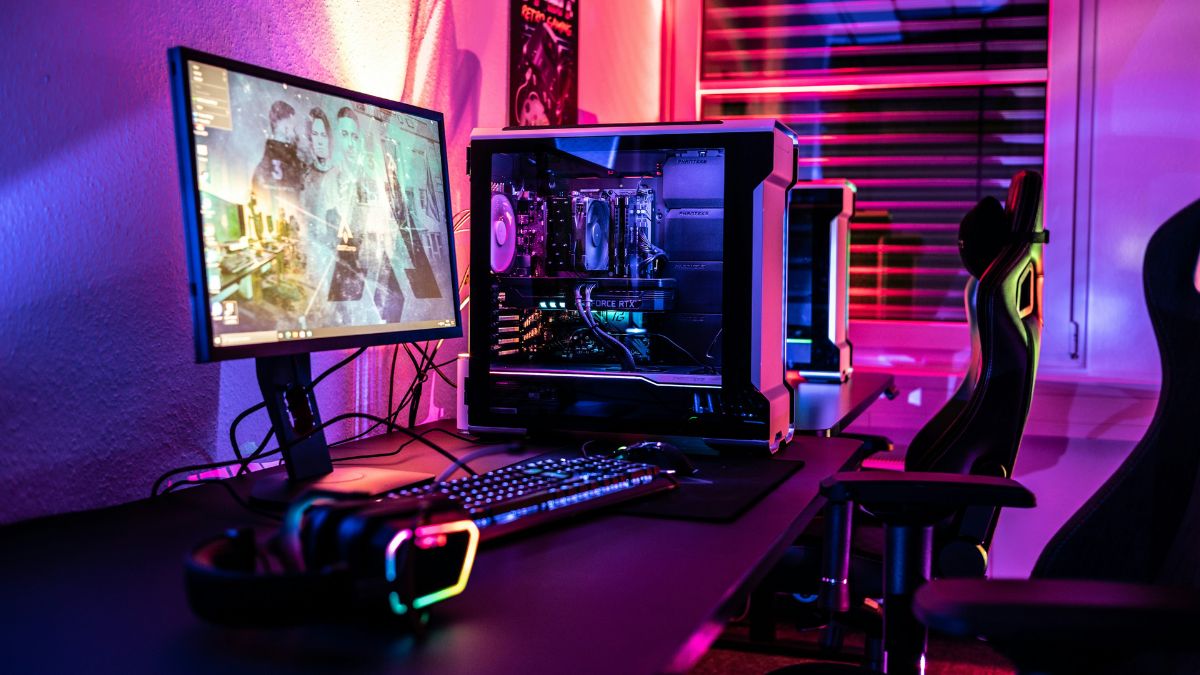
Yet today, RGB lighting is everywhere. Gaming cabinets glow in multiple colors. Keyboards, mice, monitors, headphones, mouse pads, and even headphone stands feature RGB lighting. Open a modern gaming PC and you will find RGB fans, RGB CPU coolers, RGB graphics cards, and RGB memory modules. It has become so common that many people instantly associate RGB lights with gaming.
But how did we get here?
RGB did not start with gaming companies. Its roots can be traced back to the PC modding community in the late 1990s and early 2000s.
At the time, enthusiasts began modifying their computer cases to make them look unique. Some installed transparent side panels to show off internal components. Others added cold cathode tubes, which were long fluorescent lights commonly used inside PC cabinets. These lights were usually available in a single color such as blue, red, or green.
It is because gamers wanted their PCs to stand out.
Read: If Gaming Phones Don’t Sell, Why Are Brands Chasing Them?
As LED technology became cheaper and more efficient, modders started replacing older lighting solutions with LEDs. These lights consumed less power, generated less heat, and offered greater flexibility.
The concept of RGB lighting became possible because RGB LEDs could combine red, green, and blue light to create millions of different colors.
The real turning point came in the mid to late 2000s when gaming peripheral companies began experimenting with lighting effects.
One of the earliest companies to embrace illuminated gaming peripherals was Razer. Several gaming mice and keyboards featured green lighting, which eventually became closely associated with the brand itself.
However, these products were not true RGB devices. They usually offered only one fixed color. As technology improved, manufacturers started introducing products with customizable RGB lighting. Gamers could choose their own colors instead of being limited to a single shade. This changed everything.
Suddenly, a keyboard was not just a keyboard. It became something gamers could personalize.
The early RGB products were often difficult to manage. Different components used different software. Synchronizing colors across multiple devices was almost impossible.
Read: Why Buying Digital Games Does Not Mean Ownership Anymore
Around the 2010s, major gaming hardware companies began building complete RGB ecosystems. Companies such as Corsair, ASUS, MSI, Gigabyte, and Razer developed software platforms that allowed users to synchronize lighting effects across multiple devices.
A gamer could set the same color theme on their keyboard, mouse, motherboard, fans, RAM, and cabinet lighting with just a few clicks. RGB was no longer an extra feature. It became part of the overall gaming experience.
The interesting thing about RGB lighting is that it does absolutely nothing for gaming performance.
It does not increase frame rates. Neither does it improve graphics quality. It also does not reduce lag. Yet gamers embraced it because gaming had evolved beyond performance alone.
Gaming setups became a form of self-expression. People wanted their desk to reflect their personality. Some preferred a clean white theme. Others went for deep blue, neon purple, or aggressive red lighting. Many enjoyed rainbow effects flowing across every component.
RGB allowed gamers to build setups that felt unique.
In many ways, it became similar to modifying a car. The modifications may not always improve performance, but they allow owners to create something that feels personal.
The rise of game streaming and content creation pushed RGB even further. A colorful gaming setup looks great on camera. Viewers could immediately recognize a gaming environment because of the glowing lights surrounding the desk and PC.
As platforms like YouTube and Twitch grew, RGB became part of the visual identity of gaming content. Many gamers who watched streamers wanted to recreate the same look at home. This created even more demand for RGB-equipped products.
Read: Why Action Games Dominate Steam Charts
Gaming brands quickly responded by adding RGB lighting to almost everything they sold.
What started with gaming cabinets eventually spread everywhere. Today, RGB lighting can be found in keyboards, mice, headsets, microphones, speakers, monitors, gaming chairs, desks, and room decorations. Even components hidden inside a PC, such as RAM modules and power supply cables, are now designed with RGB effects. Some products include RGB simply because gamers have come to expect it.
In fact, many people now consider RGB lighting one of the defining characteristics of gaming hardware.
Looking back at my journey from a basic CRT monitor setup in 2002 to today’s gaming hardware, it is amazing to see how much things have changed. My current setup also reflects this evolution. The table and monitor have RGB backlighting, while the keyboard, mouse, headphones, and cabinet all feature customizable RGB lighting. Like millions of other gamers, I eventually embraced the trend as well. What once seemed like an unnecessary addition has become a natural part of a modern gaming setup.
RGB lighting began as a hobby among PC modders who wanted their computers to look different. Gaming companies noticed the trend, turned it into a feature, and eventually built entire product ecosystems around it.
Today, RGB is much more than lighting. It has become part of gaming culture itself.
You can love it, hate it, or turn it off completely, but there is no denying its influence. RGB may not help anyone win more games, but it helped create a visual identity that millions of gamers around the world instantly recognize.