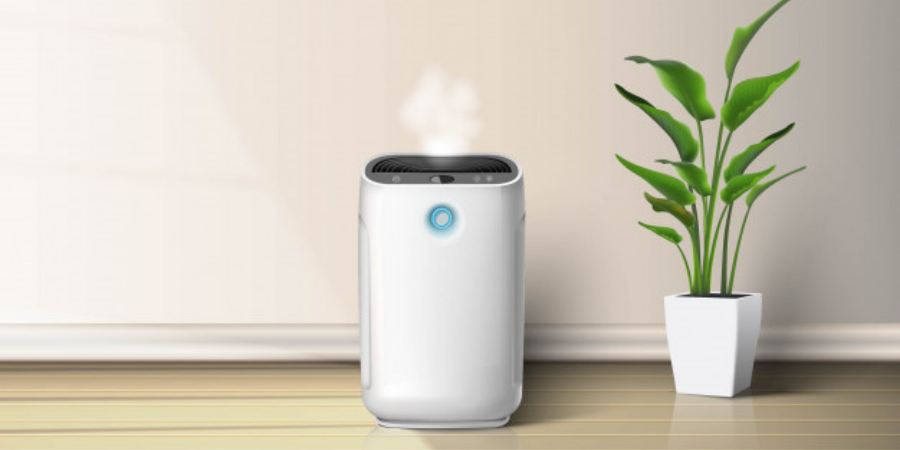

Air purifiers have become essential devices in many homes. With increasing pollution, allergens, dust, and indoor pollutants, clean air is no longer a luxury—it is a necessity. Air purifiers can remove harmful particles, improve respiratory health, and create a fresher living environment. This guide will help you understand how to choose the right air purifier, what features to look for, how to use it, and how to maintain it.
Why Air Purifiers Are Important
Air purifiers help remove dust, pollen, pet dander, smoke, odors, and even bacteria or viruses from indoor air. People with asthma, allergies, or other respiratory conditions benefit greatly from cleaner air. Even for healthy individuals, air purifiers can reduce exposure to pollutants and improve overall well-being.
Indoor air quality is often worse than outdoor air, especially in urban areas or places with high traffic. Using an air purifier can also help reduce unpleasant odors, keep rooms feeling fresh, and prevent dust buildup on furniture and electronics.
Also read: Can You Really Use a Car Air Purifier?
Important Features to Look For
When buying an air purifier, certain features are essential to ensure it works effectively. Here’s a detailed explanation with practical examples:
HEPA Filter: A true HEPA filter removes 99.97% of particles as small as 0.3 microns. This includes dust, pollen, pet dander, smoke, and some bacteria. For example, if you live in a city with high pollution or have allergies, a HEPA filter is crucial. Purifiers without a HEPA filter may remove only large dust particles and fail to protect you from harmful pollutants.
CADR (Clean Air Delivery Rate): CADR shows how much clean air the purifier can deliver per minute. Higher CADR means faster and more efficient cleaning. For example:
- Small room (~100 sq ft): CADR of 100–150 m³/h is sufficient.
- Medium room (~200–300 sq ft): CADR of 200–300 m³/h works well.
- Large room (~400–500 sq ft): CADR above 350–400 m³/h is recommended.
Room Coverage: Purifiers are rated for specific room sizes. For instance, a purifier rated for 250 sq ft is ideal for a bedroom but may struggle in a living room of 400 sq ft. Always match the purifier’s coverage to your room size for best results.
Filter Replacement Indicator: This feature tells you when to replace the filter. For example, if your purifier shows the indicator after 6–8 months, it means the filter has trapped enough dust and particles and needs replacement. Without it, performance gradually decreases without you realizing.
Multiple Fan Speeds: Fan speeds allow you to balance air cleaning and noise. A purifier with 3–5 speed levels is ideal. For example, use high speed during allergy season or when smoke enters the room, and low speed at night for quiet operation while sleeping.
Energy Efficiency: Energy-efficient purifiers save electricity if you run them all day. Look for Energy Star certified models. For example, a small bedroom purifier may consume 15–30 watts, while larger models may use 50–70 watts on high speed.
Noise Levels: Noise can matter a lot, especially in bedrooms. Quiet operation is usually around 25–35 dB, comparable to a soft whisper. Medium speed may range from 40–50 dB, and high speed could reach 55 to 60 dB, similar to light rainfall.
Air Quality Sensors: Some purifiers adjust fan speed automatically based on detected air quality. For example, if dust or smoke levels increase, the fan ramps up to clean the air faster, then slows down once air quality improves. This ensures efficient operation without constant manual adjustment.
Optional Features
Optional features enhance convenience, comfort, and functionality. Here’s a detailed look with examples:
Activated Carbon Filter: Some air purifiers also come with an activated carbon Filter. It removes odors, smoke, and chemical pollutants. For instance, a home near a busy road or with smokers may benefit greatly from carbon filtration. Carbon filters usually need replacement every 3–6 months, depending on use.
UV-C Light or Ionizer: Some purifiers use UV-C light to kill germs or an ionizer to trap particles. But you need to be extra careful while using it. Ionizers may produce ozone. UV-C can help reduce bacteria in kitchens or bathrooms, but is not a substitute for HEPA filtration.
Smart Connectivity: Wi-Fi or app-enabled purifiers allow remote control. For example, you can schedule it to turn on before you reach home or check the air quality while traveling.
Timers and Sleep Mode: Useful for automatic operation. For example, a timer can run the purifier for 8 hours at night, then switch off automatically. Sleep mode reduces fan speed and noise for uninterrupted rest.
Aromatherapy Feature: Lets you add essential oils. This is optional, but it can make your room smell pleasant while cleaning the air.
Child Lock and Safety Features: For families, child locks prevent accidental changes in settings or the removal of filters.
How Much Should You Spend on an Air Purifier
Before deciding on a budget, it’s important to think about how you plan to use the air purifier. Your use case affects how much you should be ready to spend. First, consider factors like room size, environment, and usage pattern. Once you know your use case, you can match it with a purifier that gives you the right balance between performance and cost.
Spending a lot on a purifier that is too powerful for your small room is not efficient. On the other hand, buying a cheap purifier for a big space may mean poor performance. A low-cost purifier might have expensive filters, which over time erode the savings. Consider how often the filter needs replacement. If you run the purifier continuously, even small differences in power usage add up. A more efficient purifier may save money in the long run, even if it is slightly more expensive upfront.
Sometimes paying a bit more for a trusted brand gives you better after-sales service, warranty, and filter availability.
For most Indian households, Air Purifiers would be used in the bedroom. Air Purifiers priced around Rs. 10000 are good enough.
Check the list of Air Purifiers in different price segments
How to Use an Air Purifier
Using an air purifier correctly is just as important as buying the right one. Proper use ensures it cleans the air efficiently and improves indoor air quality.
Placement Matters: Always place your air purifier in the main area where you spend most of your time. For example, if it’s a bedroom, keep it near your bed or in the center of the room. Avoid placing it too close to walls, curtains, or furniture, as this can block airflow and reduce effectiveness.
Close Doors and Windows: For best results, keep doors and windows closed while the purifier is running. This prevents outside pollutants from entering and allows the purifier to clean the air in the room effectively.
Choose the Right Fan Speed: Most purifiers have multiple fan speeds. Use high speed during heavy pollution, smoke, or allergy seasons for faster air cleaning. Switch to medium or low speed for quiet operation at night or when the air quality is already good.
Run it Regularly: For consistent air quality, run the purifier daily. Even a few hours can help, but running it continuously is ideal, especially if someone in your home has allergies, asthma, or respiratory conditions.
Use Air Quality Sensors (if available): Many modern purifiers adjust fan speed automatically based on detected air quality. This ensures the air is cleaned efficiently without wasting energy.
Avoid Overloading the Room: Don’t overcrowd the room with furniture or place the purifier behind obstacles. Air needs to circulate freely for the purifier to work efficiently.
Combine with Other Practices: While purifiers improve indoor air, they do not replace regular cleaning. Vacuum floors, dust surfaces, and clean air vents regularly for the best results.
How to Take Care of an Air Purifier
Proper maintenance keeps your air purifier working efficiently and extends its lifespan. Here’s a detailed guide:
Clean Pre-Filters Regularly Most purifiers have a pre-filter that catches large particles like dust and pet hair. Clean it every 2–4 weeks. Some pre-filters are washable; others can be vacuumed. Regular cleaning prevents clogging and maintains airflow.
Replace HEPA and Carbon Filters on Time: Follow the manufacturer’s recommendations for replacing HEPA or activated carbon filters. Typically, HEPA filters last 6–12 months, while carbon filters last 3–6 months. Using worn-out filters reduces efficiency and may allow pollutants to circulate.
Wipe the Exterior: Dust can accumulate on the purifier’s exterior. Wipe it with a dry or slightly damp cloth to keep it clean. Avoid using strong chemicals that could damage the casing.
Check for Obstructions: Ensure vents and air inlets are not blocked by furniture, curtains, or other objects. Blocked airflow reduces performance and increases wear on the fan motor.
Monitor Filter Indicators: Many purifiers have filter replacement indicators. Don’t ignore them. Timely replacement keeps the purifier performing optimally.
Regular Maintenance for Long-Term Performance: Some purifiers require more detailed maintenance, such as cleaning sensors or UV-C light panels. Check the user manual for these instructions and follow them to ensure long-term reliability.
Additional Tips for Using an Air Purifier
Even if you have a purifier running, open windows can let outdoor pollution, dust, and allergens in. Close windows and doors for optimal performance, especially during high-pollution days or allergy seasons.
For bigger homes or multiple rooms, a single purifier may not be enough. You can use multiple smaller purifiers in key rooms to ensure consistent air cleaning throughout the house. During high pollen seasons or when pollution spikes, increase the fan speed. On cleaner days, low or medium speed is sufficient. Adjusting based on actual conditions helps save energy and prolongs filter life.
Conclusion
Air purifiers are no longer just a luxury; they have become essential tools for healthier living. With rising pollution, allergens, and indoor contaminants, a good air purifier can make a noticeable difference in air quality, comfort, and even overall health.
When choosing an air purifier, focus on your use case first—the size of your room, the level of pollutants, and any specific health concerns. Look for essential features such as a HEPA filter, proper CADR, and adequate room coverage. Optional features like activated carbon filters, smart connectivity, and aromatherapy can enhance convenience but are secondary to core performance.
Budget wisely. Entry-level purifiers work well for small rooms, mid-range models offer better coverage and features, and premium purifiers deliver advanced filtration, higher CADR, and smart controls. Remember that the cost of filter replacements and energy usage should also factor into your decision.
Proper use and maintenance ensure your purifier works efficiently for years. Place it strategically, keep it clean, replace filters on time, and adjust settings based on air quality and your needs. Combining a purifier with regular cleaning and healthy habits maximizes its benefits.
By understanding the features, usage, and maintenance of an air purifier, you can make an informed choice that keeps the air in your home clean and safe. Investing in a good purifier is an investment in your health, comfort, and peace of mind.