
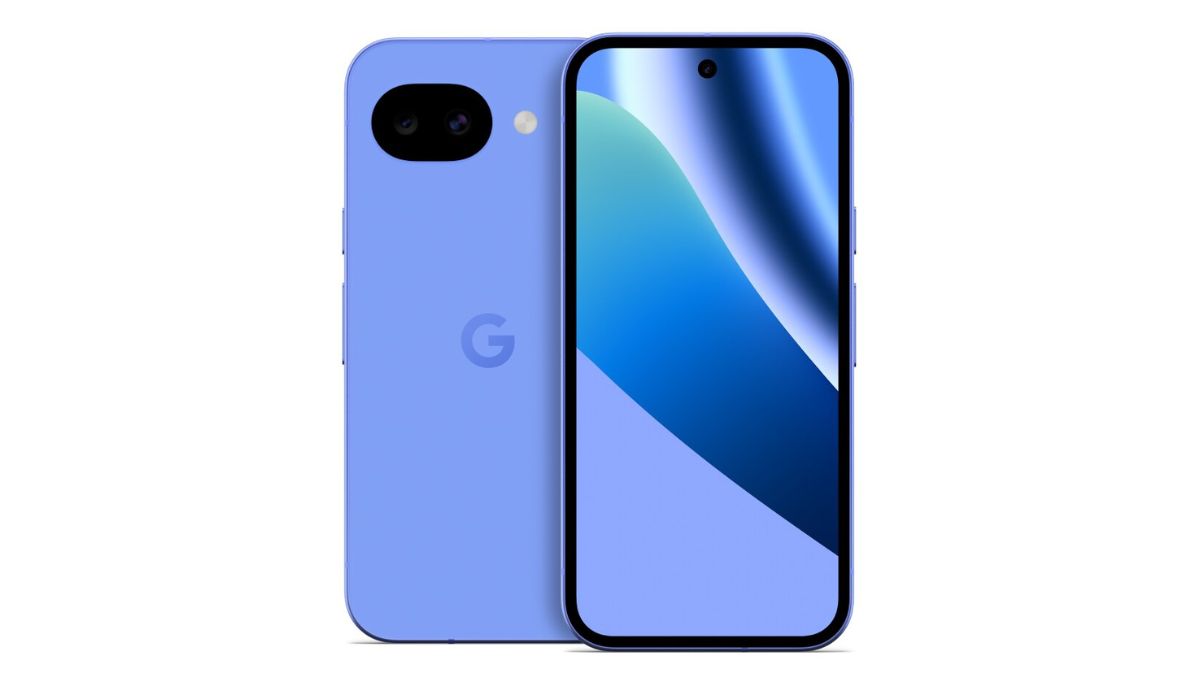

Google has quietly added support for the LHDC Bluetooth audio codec to Pixel smartphones with the stable Android 17 update. The new addition allows compatible Pixel devices to stream higher-quality wireless audio and gives users more options beyond Sony’s LDAC codec.
The feature was first spotted by a Reddit user, who noticed that their Pixel 9 Pro could now use the LHDC codec with compatible wireless earbuds. This confirms that Google has enabled LHDC support as part of Android 17, even though it was not highlighted among the major features announced during the update rollout.
LHDC, short for Low-Latency Hi-Definition Audio Codec, is designed to deliver better wireless audio quality while also reducing latency. The latest LHDC v5.0 standard supports audio streaming of up to 24-bit/192kHz, making it a significant improvement over widely used codecs such as SBC and AAC.
With Android 17, Pixel users who own LHDC-compatible earbuds or headphones can enjoy higher-quality wireless audio when listening to music from supported streaming services. This is especially useful for users who want a better listening experience without relying on Sony headphones that support LDAC.
Until now, Pixel users seeking lossless wireless audio primarily depended on LDAC support. Since LDAC is a Sony-developed technology, users of many non-Sony audio products often had to rely on AAC or SBC codecs, which offer lower audio quality and lower bitrates.
The addition of LHDC expands compatibility with a wider range of premium wireless earbuds and headphones. It also enables lower-latency audio, which can improve experiences such as gaming and video playback.
However, Bluetooth audio still has limitations. While LHDC supports audio quality of up to 24-bit/192kHz and bitrates reaching 1 Mbps, audio streams that exceed these limits will be compressed or downsampled during playback. As a result, wired audio connections continue to offer the best possible sound quality for audiophiles.
Users should also keep in mind that streaming audio at higher bitrates can increase battery consumption on wireless earbuds and headphones.