
Affordable Windows laptops have had a bad reputation for years. Most budget laptops feel very slow, heat up quickly, and struggle with battery life. But that could finally start changing.
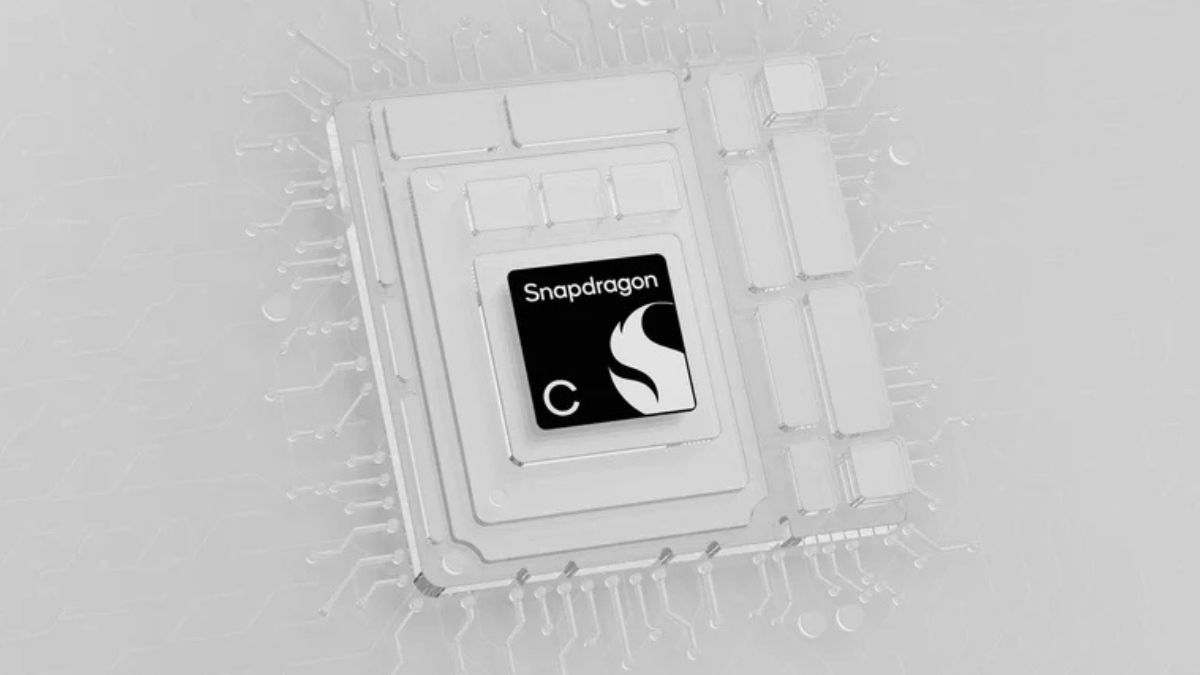
At Computex, Qualcomm announced a new processor called the Snapdragon C. It is designed specifically for affordable Windows laptops starting at around $300. The company says the chip will bring better performance, cooler designs, quieter operation, and all-day battery life to entry-level laptops.
The announcement comes at an interesting time because Apple recently changed expectations in the budget laptop market with the MacBook Neo. Starting at $599, or $499 for students, Apple’s new laptop showed that even affordable machines can offer good battery life and smooth performance when powered by ARM-based chips instead of traditional Intel processors.
Now Qualcomm wants to bring a similar thing to Windows laptops.
The Snapdragon C is not meant for heavy professional workloads like 3D rendering or 8K video editing. Instead, Qualcomm says the chip is designed for normal everyday tasks like web browsing, video streaming, office work, online classes, and productivity apps.
The platform also comes with an integrated NPU, or Neural Processing Unit, for AI features. AI hardware is still uncommon in affordable laptops, so this could help budget Windows devices support newer AI-powered tools and Windows features in the future.
This could also hurt Intel. For years, most budget Windows laptops used low-end Intel processors that focused more on cutting costs than delivering a good user experience. That often resulted in slow systems with poor battery life and loud cooling fans. ARM-based chips like Qualcomm’s Snapdragon series are generally far more power efficient, which allows thinner and quieter laptop designs while also improving battery backup.
Apple already proved how effective ARM chips can be with its M-series processors. Now Qualcomm is trying to push Windows manufacturers in the same direction.
Laptops powered by the Snapdragon C are expected to launch later this year from brands including Acer, HP, and Lenovo. If these laptops actually deliver good real-world performance near the $300 price point, they could seriously revolutionize the entry-level laptop market.
This is important for students and casual users. Most people buying affordable laptops mainly want reliable performance for browsing, online meetings, watching videos, and basic work. They do not need gaming-level hardware. They just want a laptop that feels fast and lasts long on battery.
That is where Qualcomm may have an opportunity.
But there are also some important questions. Windows on ARM has improved a lot in recent years, but app compatibility is still not perfect in every case. Some older software may not run as smoothly as it does on Intel systems. Qualcomm and Microsoft will need to ensure that buyers do not face compatibility problems after purchasing these laptops.