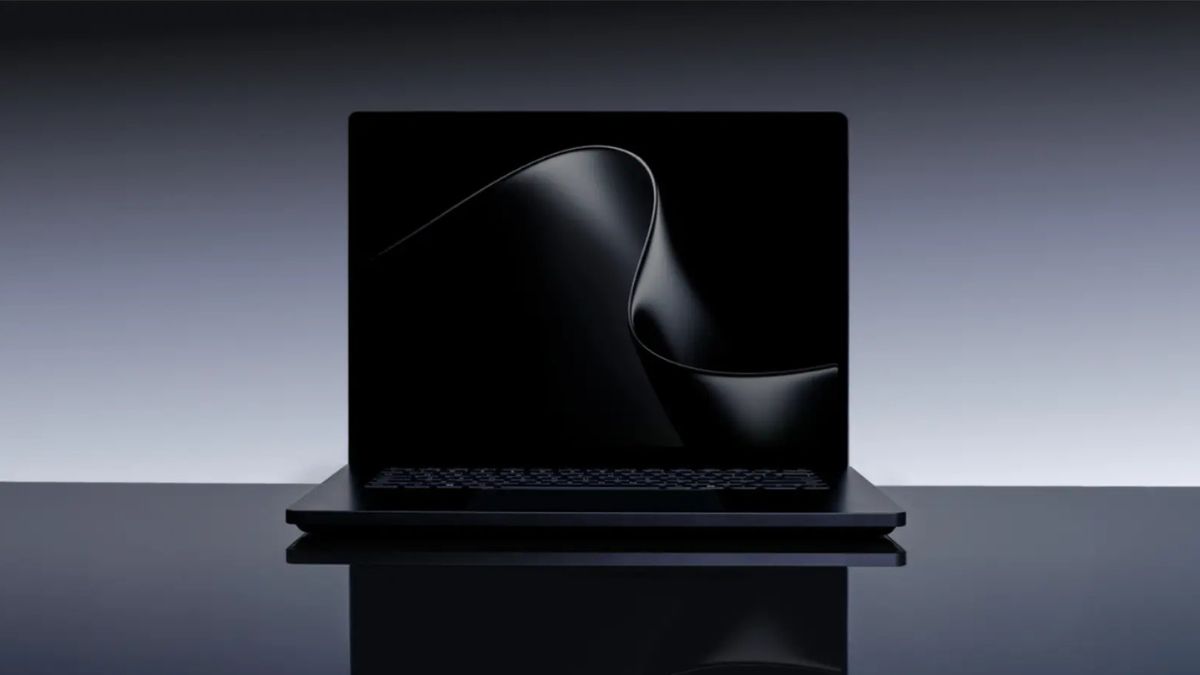

Microsoft has announced the new Surface Laptop Ultra at Computex 2026. The company calls it the most powerful Surface laptop it has ever built. The new laptop is powered by NVIDIA’s newly unveiled RTX Spark processor.
The Surface Laptop Ultra is aimed at creators, developers, AI professionals, and power users who need high performance in a portable machine. It also appears to be Microsoft’s most direct attempt yet at competing with Apple’s MacBook Pro lineup.
Microsoft is still keeping many details under wraps, including pricing and final configurations. However, the company has shared enough information to make the Surface Laptop Ultra one of the most interesting laptops announced at Computex 2026.
The biggest highlight is the NVIDIA RTX Spark processor. This new ARM-based system-on-chip combines CPU, GPU, and AI capabilities into a single package. According to Microsoft and NVIDIA, the chip features up to 20 Arm CPU cores and 6,144 Blackwell GPU cores. The companies claim it can deliver up to 1 petaflop of AI performance while offering graphics performance comparable to an RTX 5070 laptop GPU.
Microsoft also says the chip is designed for better efficiency, which should help deliver all-day battery life despite the powerful hardware inside.
The laptop comes with up to 128GB of unified memory. This is similar to Apple’s approach with its M-series chips, where memory is shared across the CPU, GPU, and AI workloads. Unified memory can improve performance in demanding tasks such as video editing, 3D rendering, AI model development, and content creation.
On the front, the Surface Laptop Ultra features a 15-inch Mini-LED display with a pixel density of 262 PPI. The screen supports up to 2,000 nits of peak HDR brightness, making it one of the brightest displays ever seen on a Surface device.
Microsoft has also equipped the laptop with what it says is the largest trackpad ever used in a Surface device. The haptic trackpad is designed to provide a more precise and premium experience.
Unlike many modern laptops that sacrifice connectivity for a thinner design, the Surface Laptop Ultra includes a generous selection of ports. Users get HDMI, USB Type-C, USB Type-A, a full-size SD card reader, and a 3.5mm headphone jack. This makes it a practical option for photographers, video editors, and professionals who still rely on external accessories.
The laptop will be available in Platinum and Nightfall color options.
Interestingly, Microsoft has avoided the experimental designs seen in some of its previous high-end Surface devices. The Surface Book introduced a detachable display, while the Surface Laptop Studio featured a unique folding screen design. The Surface Laptop Ultra takes a simpler approach with a traditional clamshell design.
That decision may actually work in Microsoft’s favor. Many professionals prefer a reliable and straightforward design over complex hinges and moving parts. Microsoft seems to have learned from past attempts and is now focusing on performance, battery life, and usability.
The announcement is also important because it shows NVIDIA’s growing ambitions in the PC processor market. For years, Intel, AMD, and, more recently, Qualcomm have dominated Windows laptops. RTX Spark represents NVIDIA’s attempt to become a serious player in AI-focused PCs.
The success of the Surface Laptop Ultra could depend as much on NVIDIA’s new chip as on Microsoft’s hardware design. If RTX Spark delivers the promised balance of performance, AI capabilities, and battery life, it could become a strong alternative to both Apple’s M-series MacBooks and Qualcomm-powered Copilot+ PCs.
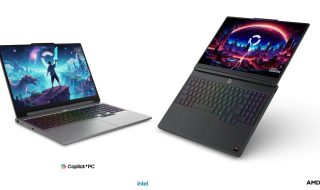
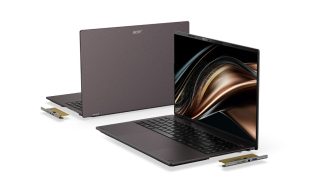
Microsoft has confirmed that the Surface Laptop Ultra will launch later this year. Other manufacturers including ASUS, Dell, HP, Lenovo, and MSI, are also expected to release laptops powered by NVIDIA RTX Spark.