


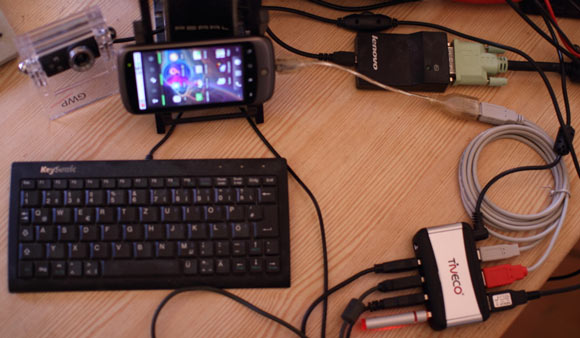
 Android phones turns smart phones into mobile hacking machine. As the technology spread its wings in a good way, another phase of this is also spreading with the same speed.
Anti, or Android Network Toolkit, hits the Android market next week. The program, which Israeli security firm Zimperium revealed at the Defcon hacker conference in Las Vegas Friday and plans to make available to Android users in coming days, is designed for penetration testing–in theory, searching out and demonstrating vulnerabilities in computer systems so that they can be patched. Anti aims to bring all the hacking tools available to penetration testers on PCs to smart phones, with an automated interface intended to make sniffing local networks and owning remote servers as simple as pushing a few buttons.
Anti, a free app with a $10 corporate upgrade, will offer a wi-fi-scanning tool for finding open networks and showing all potential target devices on those networks, as well as traceroute software that can reveal the IP addresses of faraway servers. When a target is identified, the app offers up a simple menu with commands like “Man-In-The-Middle” to eavesdrop on local devices, or even “Attack”; The app is designed to run exploits collected in platforms like Metasploit or ExploitDB, using vulnerabilities in out-of-date software to compromise targets.
Professional penetration tester for a defense contractor firm who asked that his name not be used called the app a “quick and dirty Swiss army knife for mobile pen testing.” “It’s so polished it’s almost like playing a video game,” he says, comparing it to penetration testing suites that cost thousands of dollars.
Anti allowed anyone to easily snoop on devices on unsecured wi-fi networks that connected to unencrypted web pages. That tool was downloaded more than 1.7 million times, and no doubt used in some instances to spy on web users unawares. But it also helped inspire both Twitter and Facebook to encrypt traffic to their site and prevent such eavesdropping.
“People might use it in dangerous ways,” Avraham says with a shrug. “I really hope not. But I know this might be the risk to help people increase their security, and that’s our goal.