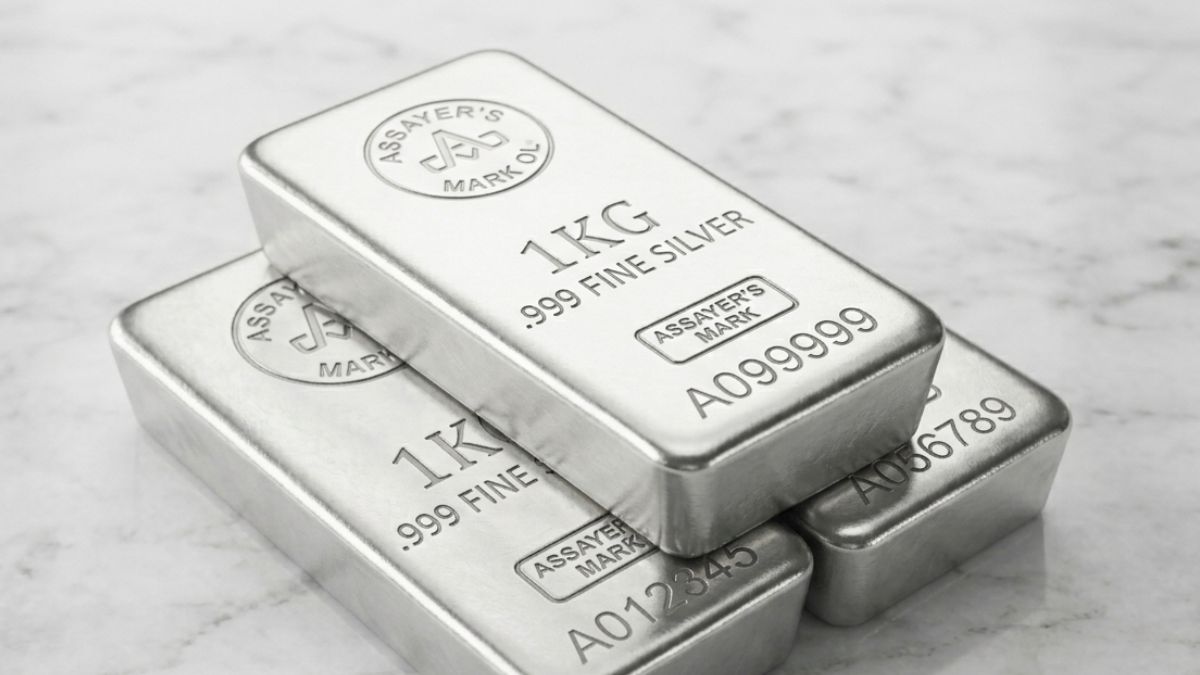

Silver is gaining traction in modern investment portfolios, and it is not just because of its precious metal status, but due to growing global demand as an industrial commodity.
For investors looking for exposure to silver without the burden of physical storage or purity concerns, silver ETFs are notably gaining popularity.
But let us be real, selecting the right silver ETF is more than picking the most popular fund. You need to think about tracking efficiency, liquidity, the management fees, and whether it is going to be a fit for the long haul. Getting an understanding of these factors will help you make an informed choice that is right for your portfolio.
Understand the Objective of a Silver ETF
A silver ETF is designed to track the price of silver and give exposure to this precious metal. At the end of the day, its main goal is to give investors a way to get exposure to silver without having to buy the metal itself.
For people who are looking to invest for the long-term, silver ETFs can serve a couple of purposes. Firstly, they can act as a way to spread your risk by adding some exposure to a different market. Secondly, they can give you some exposure to a commodity that might benefit from both the industrial demand and precious metal demand over time.
Evaluate Tracking Efficiency and Fund Structure
You need to understand tracking efficiency and fund structure. This depends on a number of factors such as fund structure, operational costs, and portfolio management quality. As an investor, don’t get too caught up in the short term performance; look at how the ETF has done historically.
The underlying structure also matters. Some silver ETFs just hold the physical metal, while others use derivative-based exposure. Figuring out how the ETF achieves its objective will help you assess both transparency and risk.
Liquidity and Trading Volume Matter
Liquidity is an important factor when it comes to selecting an exchange-traded fund. A fund with higher trading volumes tends to make trades go off without a hitch and leaves you with narrower bid-ask spreads.
An ETF such as the HDFC Silver ETF, with high liquidity, lets you buy or sell shares with ease without significant price impact.
Liquidity contributes to overall investment efficiency, particularly for long-term holdings.
Assess Portfolio Fit and Allocation Size
Silver ETFs should not be viewed as a standalone investment; they are part of a bigger picture. Commodity exposure can be helpful for diversification, but excessive allocation may increase volatility.
Ask yourself how silver fits into your broader financial goals, risk tolerance, and time frame. A balanced approach is usually better than trying to bet big on just one thing. Products like the Tata silver ETF can be an option for people who want structured exposure to silver, but the key thing is to check whether it fits well with your overall portfolio strategy.
Final Thoughts
Choosing a silver ETF as a good fit for you involves more than just going with the familiar fund name you know. You need to dig into how it stacks up when it comes to tracking efficiency, liquidity, costs, and portfolio relevance.
At the end of the day, the right ETF for you is one that aligns with what you want to achieve from your investment, what level of risk you are comfortable with, and how patient you can be.