
I used to think there was no real need for a dedicated eBook reader. I already had a tablet, and it handled everything. Watching videos, browsing, reading articles, and even reading books using the Kindle App. It felt like spending extra money on another device just to read books did not make much sense.
There was also the pricing angle to it. A device like the Amazon Kindle Paperwhite costs around ₹16,999. In comparison, you can easily find a decent Android tablet for around ₹10,000 to ₹12,000. Install the Kindle app, and you get access to the same books.
For a long time, this logic felt correct. But after spending some time reading on Kindle, the difference started to become clear.
It is not about whether you can read on a tablet. You can. The real difference is in how it feels when you read regularly.
The primary reason why I recommend Kindle over a tablet is the display.
Most affordable tablets come with LCD displays. The tablet screen is bright and vibrant. It is designed for videos, games, and general usage. It works well for reading too, but only to a certain extent.
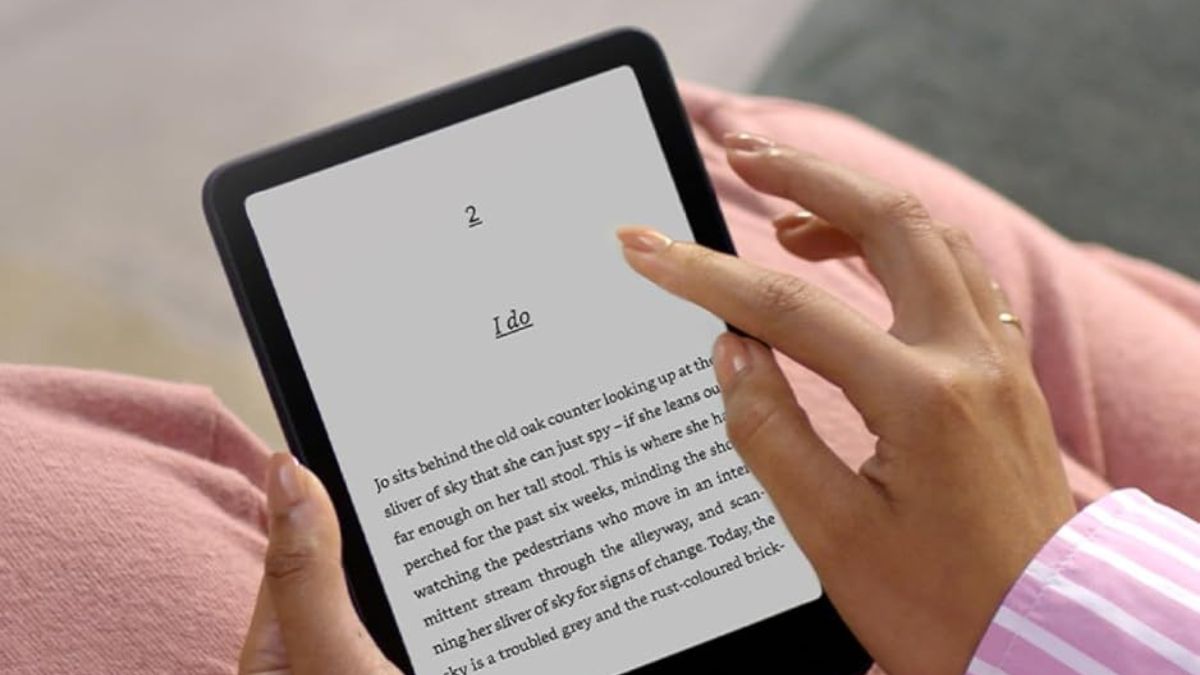
An eBook reader uses an e-ink display, which feels closer to reading a printed page than looking at a screen. There is no glow coming directly at your eyes. The text looks stable, almost like it is sitting on the surface rather than being projected.
This difference may not sound important, but it changes the reading experience in a big way, especially if you spend more time with books.
Reading for ten or fifteen minutes felt similar on both devices. The difference started showing when you read for longer.
On a tablet, after some time, the eyes start to feel tired. The brightness, the constant refresh, and the blue light all add up. You can reduce brightness or use night mode, but the feeling is still there.
On an eBook reader, it is much easier to continue. The screen does not keep refreshing in the same way. Once the page is loaded, it stays there. This makes it more comfortable to read for longer without thinking about it. Modern devices like the Kindle Paperwhite also include warm light settings, which help when reading at night.
Another big difference is the distraction-free experience on Kindle.
On a tablet, reading often gets interrupted. A notification comes in, and you check it. Then something else catches your attention. It is very easy to move away from the book without even realizing it. With an eBook reader, this does not happen. There is nothing else to do on the device. You open a book and continue reading.
Over time, this makes a difference. It becomes easier to stay focused and actually finish what you start reading.
Battery life is another area where the difference is very noticeable. A tablet usually needs to be charged frequently, especially if it is being used for multiple tasks. An eBook reader can last for weeks. Since the screen only uses power when you turn a page, it does not drain the battery in the same way.
It may sound like a small thing, but not having to think about charging all the time makes the device more reliable for daily use.
Even after all this, tablets still make sense in many situations. They are affordable and more versatile. If you already have one, there is no urgent need to buy another device just for reading. For casual reading, the Kindle app works well enough. You get access to the same books, and for occasional use, the experience is acceptable.
After using both, the difference becomes clear over time. If reading is something you do occasionally, a tablet is enough. It saves money and keeps everything in one place. But if you read regularly, even for short daily sessions, the experience starts to matter more than convenience.
An eBook reader feels simpler, but that simplicity is the reason it works better. The e-ink display is easier on the eyes. The lack of distractions helps you stay focused. The battery life makes it dependable.
That is why, even in 2026, it still makes sense for people who actually spend time with books.