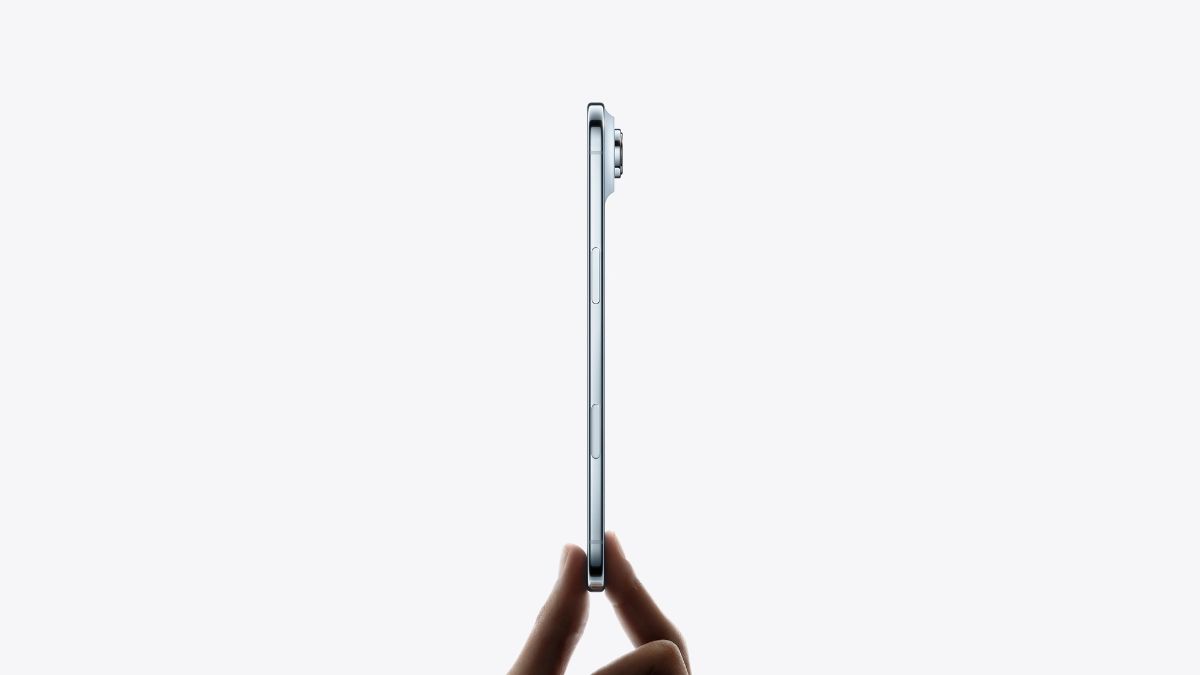

Apple just unveiled the iPhone Air at 5.6 mm. It looks stunning and feels like the future. But before we chase thinner numbers, we should ask a simple question: Are ultra-thin phones really better for most people?
Thin phones are attractive. They feel premium in hand and are light to carry. But going too thin comes with compromises. Slim phones have less space for batteries, which can mean shorter usage unless the company finds clever ways to optimize. Powerful chips in thin bodies can also overheat faster. Repairs become difficult and expensive because the components are tightly packed.
We have seen this trend before. Early thin phones looked amazing, but struggled in daily use. In November 2014, Gionee launched the Elife S5.1 at 5.15 mm. A month later, Vivo broke the record with the X5 Max at 4.75 mm, which still holds the title of slimmest phone ever. Oppo also joined the race with the R5 at 4.85 mm. These phones looked impressive, but they had serious drawbacks. The X5 Max had just a 2,000 mAh battery, and the Oppo R5 scored only 3/10 on iFixit, showing how repair-unfriendly ultra-thin phones were. Users did not gain any real benefit from this extreme thinness. People wanted better battery life, reliability, and comfort. That is why companies soon stopped chasing records and focused on practical designs.
Some might argue that modern foldables are also chasing thinness. Here, thinness actually matters. When folded, a phone with a 5 mm profile becomes 10 mm thick. Slimmer folded designs make it easier to carry in pockets or bags. That is why companies aim to keep the folded profile thin.
Still, “world’s thinnest” often feels more like marketing than practicality. It is a catchy headline. It makes the phone look special and grabs attention.
Today, the situation is different. Technology has improved a lot since 2014. Batteries are more efficient, chips consume less power, and stronger materials like titanium allow slimmer builds without major compromises. Apple’s iPhone Air uses A19 chips, titanium frames, and redesigned internal layouts. This makes a 5.6 mm thin phone possible while still offering decent battery life. Apple even introduced an optional battery pack, suggesting that the phone may not meet all-day usage expectations for heavy users.
Samsung is also exploring thin designs. The Galaxy S25 Edge, for example, is just 5.8 mm thick while still offering good battery life and flagship performance. Samsung’s foldables continue to get slimmer with each generation, while offering larger displays and better portability.
Even mid-range brands are joining the trend. TECNO POVA Slim 5G, at 5.95 mm, shows that thin designs are no longer limited to premium phones. But TECNO managed to pack a 5,160 mAh battery in a slim body, so consumers don’t have to sacrifice battery life. Reviewers confirm it lasts a full day, with some users getting more than eight hours of screen-on time. Here, TECNO prioritizes practical features while keeping the phone slim, rather than chasing just a “record.” It could use smaller battery to make phone even slimmer.
Thin phones in 2025 are very different from the ones in 2014. But the key question remains: are these improvements truly practical for users, or are brands still chasing headlines?
Thin phones are beautiful, no doubt. But beauty alone is not enough. People care more about battery, performance, and durability. That is why companies moved away from ultra-thin designs in the first place.
Now, with the iPhone Air, Apple is trying to prove that thinness can return without sacrifices. Whether it truly delivers will only be clear once long-term reviews are out.
Until then, my opinion is simple: a phone should first be practical, then thin.