

Microsoft has revealed that a dangerous malware named Lumma Stealer has infected more than 394,000 Windows computers across the world. The malware was found mostly in Brazil, Europe, and the United States, and the number may still grow. What makes it worse is that many people may not even know their PCs are infected.
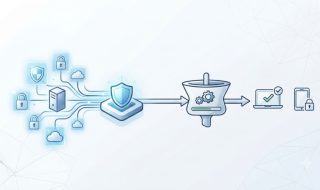
To stop this cyber threat, Microsoft teamed up with law enforcement and got permission from a U.S. court to take down 2,300 domains connected to Lumma’s operations. These domains acted as control servers for the malware. The U.S. Department of Justice also seized five major domains that were part of Lumma’s infrastructure.
Lumma is a type of info-stealer malware, also called a password stealer. It hides in pirated games or cracked apps that people download from shady websites. Once installed, it secretly steals usernames and passwords, credit card details, cryptocurrency wallets, and even browser data. This stolen information is then sold to cybercriminals on the dark web. These hackers use the data for various purposes, including identity theft, financial fraud, or launching more serious cyberattacks. Lumma can even act as a backdoor to install ransomware or other harmful programs later.
Malware like Lumma is often part of much bigger cyberattacks. Recently, some major data breaches—like the ones targeting PowerSchool and Snowflake—have been linked to password-stealing tools like this. It shows that even one infected PC can become part of a much larger security threat. While Microsoft and the Justice Department have taken down many of the servers, this does not fully stop the malware. Hackers may try to regroup and rebuild their network using new domains and techniques. It is a game of cat and mouse.
If you use a Windows PC, especially if you have downloaded cracked software, it is important to check your device. Avoiding pirated software and games is the first step. You should also use a strong antivirus program and make sure Windows Defender is enabled and your system is up to date. Using a password manager helps protect your logins, and if you think your device may be infected, it is best to change all your passwords immediately.
Also see: Strong Password Generator
This takedown is a big win for Microsoft and law enforcement, but it also highlights how dangerous the internet can be if you are not careful. Malware like Lumma spreads fast because many people still download cracked apps or games without thinking about the risks. It will be interesting to see if the creators of Lumma try to make a comeback with a new version. Cybercriminals are always looking for ways to stay ahead, so this fight is far from over.