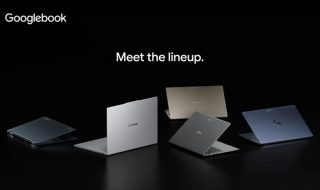

Google has introduced Googlebook, a new category of laptops that combines the Android technology stack with the desktop foundations of ChromeOS. The new platform is designed around Gemini and offers deeper integration with Android phones, along with access to desktop Chrome and Android apps.
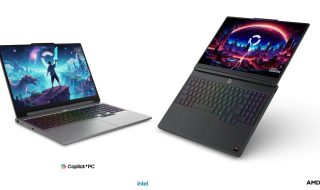
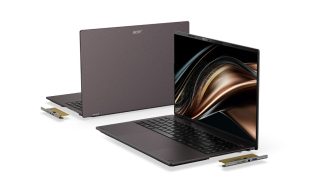
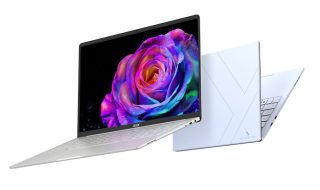
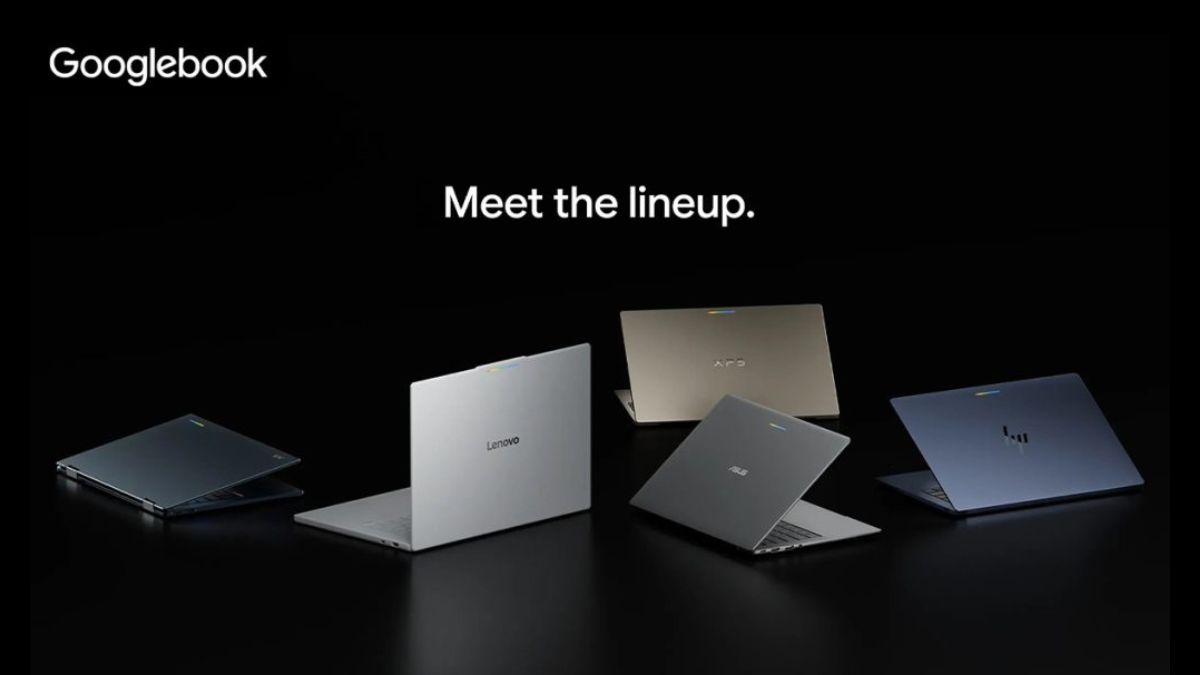
Google has developed the first Googlebook laptops with Acer, ASUS, Dell, HP and Lenovo. The initial lineup includes five models with different display sizes, processors and designs.
Unlike traditional Chromebooks, Googlebook targets the premium laptop segment. The lineup includes OLED displays, Intel Core Ultra and Snapdragon X Elite processors, up to 16GB RAM and 512GB storage.
Android phone integration is one of the main features of Googlebook. During setup, users can transfer settings, saved passwords, Wi-Fi networks and messages from their Android phone to the laptop. Google says the transferred data is protected with end-to-end encryption.
The platform also includes several features for using phone content on the laptop.
Continue On allows users to continue supported activities from their Android phone on Googlebook. For example, a project started on a phone can be opened and continued from the laptop.
The Files app provides access to files and photos stored on the connected phone. Cast My Apps can display Android phone apps in a desktop window, allowing users to interact with apps such as Messages or delivery services without picking up their phone.
Googlebook also combines the desktop Chrome browser and its extensions with millions of Android apps available through the Play Store.
Google lists apps including Adobe Photoshop, Adobe Lightroom and CapCut. Netflix and HBO Max are also supported with offline viewing. For gaming, the platform supports thousands of Android games and AAA games through GeForce NOW.
Google is making Gemini a central part of the Googlebook experience. One of the key features is Magic Pointer. It activates when the user wiggles the cursor and can understand the content currently displayed on the screen.
For example, a user can highlight a marathon training plan and ask Gemini to create a schedule in Google Calendar. It can also analyze a suspicious email, translate text, organize information or work with multiple images.
Googlebook also introduces Rambler, an AI-powered voice dictation feature. It can turn spoken thoughts, notes and action items into structured text. It can remove filler words, correct mistakes and organize information into headings, checklists and bullet points.
Rambler can also switch between languages within the same sentence and add relevant emoji.
Another feature called Create My Widget lets users create desktop widgets using natural language. Users can describe what they want, such as a sports score widget or a countdown, without writing code.
Googlebook also includes Gemini Live, task automation and proactive suggestions based on what is visible on the screen.
Gemini Spark can continue working on complex requests in the background even after the laptop is closed.
Googlebook specifications
The first generation consists of five laptops from Acer, ASUS, Dell, HP and Lenovo. All models come with 16GB RAM, 512GB storage and backlit keyboards.
| Model | Display | Processor | NPU | Battery | Weight |
|---|---|---|---|---|---|
| Acer Googlebook 14 | 14-inch 2.8K OLED | Intel Core Ultra 5 | Up to 49 TOPS | Up to 16 hours | 2.51 lbs |
| ASUS Googlebook 14 | 14-inch 2.8K OLED | Intel Core Ultra 5 | Up to 49 TOPS | Up to 16 hours | 2.2 lbs |
| Dell XPS Googlebook | 13.4-inch 2.5K LCD | Snapdragon X Elite | Up to 45 TOPS | Up to 18 hours | 2.2 lbs |
| HP Googlebook 14 | 14-inch 2.8K OLED | Snapdragon X Elite | Up to 45 TOPS | Up to 19 hours | 2.74 lbs |
| Lenovo Googlebook 15 | 15.3-inch 2.8K OLED | Intel Core Ultra 5 | Up to 47 TOPS | Up to 13 hours | 2.84 lbs |
The Acer, ASUS and Lenovo models use Intel Core Ultra 5 processors, while the Dell and HP models use Snapdragon X Elite chips.
The Lenovo Googlebook 15 has the largest display at 15.3 inches, while the Dell XPS Googlebook is the smallest at 13.4 inches. Three models feature 14-inch 2.8K OLED panels.
The laptops use materials including aluminum, magnesium alloy and carbon fiber. They also include Google Titan security hardware and fingerprint readers. The HP and Lenovo models additionally support face unlock.
Google has also added a Glowbar to the exterior of the laptops. It lights up during startup, indicates battery status and displays animations when the user interacts with Gemini.
Googlebook is also designed for developers. It includes a full Linux environment with terminal access, allowing users to run Linux development tools, pull code repositories and run autonomous agents.
Google is including Antigravity, its AI agent development platform, with Googlebook. Developers can build, test and deploy applications directly from the laptop. The environment also supports Claude Code and Antigravity CLI.
Security is based on the architecture used by ChromeOS. Googlebook includes a Titan hardware root of trust, defense-in-depth security and on-device malware detection.
Google has also added a Level 5 security-certified pKVM hypervisor. It is used to isolate the Linux environment from the rest of the system while still providing access to developer tools.
Price and availability
The first Googlebook laptops are priced as follows:
- Acer Googlebook 14: $999
- ASUS Googlebook 14: $1,299
- Dell XPS Googlebook: $1,199
- HP Googlebook 14: $1,299
- Lenovo Googlebook 15: $1,099
Every Googlebook includes 12 months of Google AI Pro with 5TB of cloud storage and access to advanced Gemini features. Buyers also get three months of YouTube Premium and Adobe Photoshop.
Google says Googlebook OS will receive regular feature updates for up to 10 years.
Pre-orders are now open through the Google Store, Best Buy and select retailers. The laptops will arrive on October 4 in the US, followed by October 5 availability in Canada, the UK, Ireland, France, Germany and Australia.
Googlebook is more ambitious than a simple Chromebook refresh. Google is combining Android, Chrome, Play Store apps and Gemini into a single laptop experience. The Android integration could be useful because it connects two devices that many users already own. Features such as accessing phone files, continuing tasks and running phone apps in a desktop window can reduce the need to switch between a laptop and smartphone.
The pricing also shows that Google is targeting the premium laptop market rather than budget users. Starting at $999, the new platform will have to compete with established Windows laptops and MacBooks.
The bigger question will be app compatibility and how useful the Gemini features are in everyday use. Google is clearly betting that AI will become a core part of the laptop experience, rather than something users open separately when they need it.