
A few years ago, buying a smartphone under ₹20,000 was exciting. The segment was highly competitive, and every new launch brought something better than the competition. A faster processor, better cameras, quicker charging, improved displays, or more RAM and storage.
The affordable smartphone market in 2022 was at its peak. Brands were aggressively competing for buyers, and even mid-range phones offered features that were once limited to premium devices.
But in 2026, things feel different.
Many new budget phones are not giving the same feeling of improvement. In some cases, they feel like a step backwards compared to phones launched three or four years ago.
Features that we thought had disappeared are making a comeback. Phones with 4GB RAM and 64GB storage are returning. Charging speeds are getting slower on some models. Manufacturers are focusing heavily on AI features and bigger batteries, while some basic hardware upgrades have slowed down.
The biggest question is: why does a new ₹15,000 to ₹20,000 smartphone sometimes feel worse than a 2022 phone?
4GB RAM is making a comeback
One of the biggest surprises in the current budget smartphone market is the return of 4GB RAM variants.
A few years ago, 4GB RAM was already becoming outdated. By 2022, many phones around ₹15,000 were offering 6GB or 8GB RAM as standard. Today, some brands are again launching phones with 4GB RAM, especially in the lower variants.
The problem is that smartphone usage has changed. Apps are becoming heavier, games are more demanding, and users are keeping phones for longer periods.
A phone with 4GB RAM may work fine when it is new, but long-term performance can become a concern. Background apps reload more often, multitasking becomes slower, and the overall experience starts feeling less smooth after a few years.
For a budget buyer who expects to use a phone for three years or more, RAM is not an area where companies should be cutting corners.
64GB storage feels outdated in 2026
Storage is another area where the budget segment seems to have gone backwards. In 2022, 128GB storage had started becoming common even on affordable smartphones. Today, some phones near the ₹20,000 price point still come with 64GB storage.
Modern smartphones consume more storage than ever. The operating system takes more space. Apps are larger. High-resolution photos and 4K videos quickly fill up storage. Messaging apps like WhatsApp can easily consume several gigabytes over time. For most users, 64GB is simply not enough anymore.
A smartphone launched in 2026 should ideally start with 128GB storage, especially when companies are marketing these devices as long-term purchases.
Slower Charging Speeds
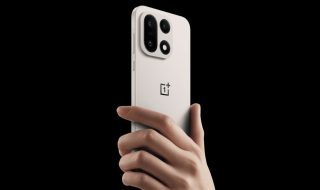
Although smartphones are still coming with big batteries, charging speed is being compromised. The OnePlus N6x is a good example of the compromises appearing in the current budget segment.
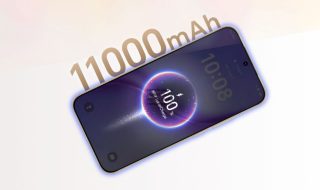
The 7,000mAh battery phone sounds impressive. Battery life is definitely one of its biggest strengths. However, the 15W charging support feels disappointing, especially at a price point close to ₹20,000.
A large battery is useful only when users can charge it conveniently. A 7,000mAh battery with slow charging means users have to wait much longer to refill the phone.
This is where many phones from 2022 felt better. Several smartphones in the same segment offered 33W, 44W, or even faster charging speeds.
A bigger battery should not come at the cost of charging convenience.
AI is everywhere, but is budget hardware ready for it?
AI has become the biggest marketing keyword in smartphones in 2026. Almost every brand is talking about AI-powered cameras, AI photo editing, AI assistants, AI search, and several other AI features. The term appears everywhere, from launch events to product pages.
But there is an important question that nobody is asking enough: is budget smartphone hardware actually ready for this AI future?
Most AI features require capable hardware. They need better processors, faster neural processing units (NPUs), enough RAM, and efficient software optimisation. When a phone comes with an entry-level processor and just 4GB or 6GB RAM, it raises questions about how meaningful these AI features will actually be.
Will these features work smoothly after a year of usage? Will they process quickly? Will they run on the device or depend heavily on cloud processing? Will users actually use them regularly?
These are important questions because AI cannot replace basic hardware.
A phone with limited processing power cannot suddenly become a powerful device just because it has AI features.
Right now, AI feels more like a marketing advantage in many budget smartphones. Brands can highlight dozens of AI features on the specification sheet, but the everyday experience still depends on things like processor performance, memory management, storage speed and software optimisation.
Instead of focusing only on adding AI badges, companies should first ensure that the core smartphone experience is strong.
A smoother phone with better hardware will always be more useful than a phone with a long list of AI features that users rarely use.
Displays are becoming a numbers game
The display market has also become confusing. Manufacturers highlight refresh rates and brightness numbers, but some basic display improvements have slowed down.
A few years ago, Full HD+ displays became common in the affordable segment. Today, most budget phones are launching with HD+ resolution despite having large 6.7-inch or 6.8-inch screens. AMOLED panels are now disappearing from this segment. We now only get IPS LCD. Howver, brands now boast high refresh rates. A 120Hz refresh rate looks impressive on paper, but resolution, colour accuracy and overall panel quality matter more in daily use.
A large display with lower resolution does not always provide a premium experience.
Why are companies making these compromises?
They want to maintain margins.
Smartphone companies are dealing with increasing component costs and intense competition. Raising prices is difficult, especially in markets like India where buyers are highly price sensitive. So manufacturers are trying to keep prices attractive by making compromises in certain areas.
The problem is that these compromises are becoming visible.
A person upgrading from a 2022 smartphone expects a major improvement. But if the new phone has similar RAM, similar cameras, and slower charging, the upgrade does not feel meaningful.
Budget phones are still improving, but the excitement is missing
It would be unfair to say that all 2026 budget phones are bad. There are several improvements. Phones today offer bigger batteries, better software support, more durable designs, wider 5G availability, and improved displays in many models.
But the feeling of rapid progress has slowed down. In 2022, a ₹15,000 smartphone often felt like a device bringing premium features to a lower price. In 2026, many smartphones in the same price range feel like companies are carefully deciding what they can remove while keeping the price attractive.
The biggest problem with budget smartphones today is not that they are unusable. It is that they no longer feel exciting.
A new smartphone should make an older phone feel outdated. But in many cases, a 2026 budget phone is making buyers appreciate how good their 2022 phone actually was.