
Samsung has officially entered the credit card business with the launch of the Samsung Galaxy Card. The company’s first-ever credit card offers cashback on everyday purchases, extra rewards for Samsung buyers, and deep integration with Samsung Wallet. It is also Samsung’s clearest attempt yet to compete with Apple’s Apple Card and strengthen its own ecosystem.
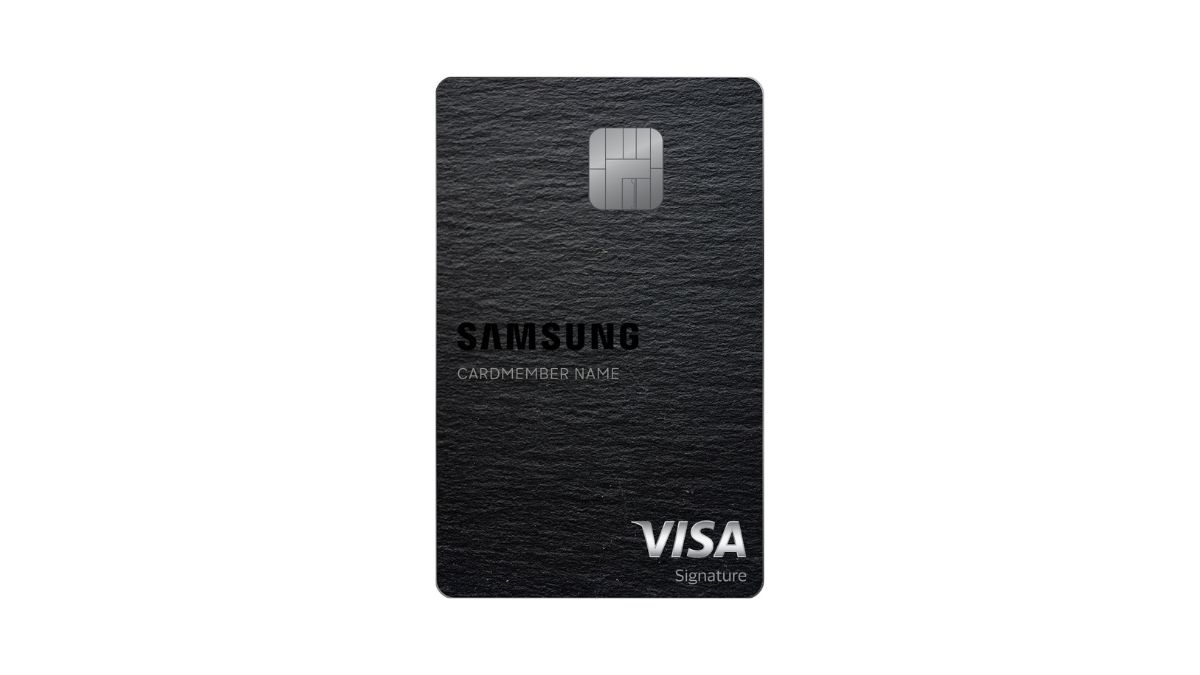
The Samsung Galaxy Card is issued by Barclays US Consumer Bank and runs on the Visa network. Customers can choose between a virtual card inside Samsung Wallet or a premium metal physical card with Samsung branding.
The reward structure is designed to encourage users to spend more within Samsung’s ecosystem. Customers get 5% cashback on eligible purchases made directly from Samsung, 3% cashback when paying through Samsung Wallet, 2% cashback on streaming services like Netflix, Disney+ and Spotify, and 1% cashback on all other eligible purchases.
Samsung is also offering 20% off Samsung VIP Advantage memberships and 5% cashback on membership purchases and renewals.
Applications are already open for eligible customers through an early access program. The card will be available to everyone in the US starting July 22 through Samsung’s website and retail stores.
To attract new users, Samsung is offering a $200 welcome bonus after spending $2,000 within the first 90 days. Customers who reserve the card early can also receive a $30 Samsung credit, while additional promotions could push total savings to $1,230. Samsung is also running a sweepstakes where ten customers will win $500 Samsung.com gift cards.
Like Apple’s offering, the Galaxy Card is tightly integrated with the company’s digital wallet. Users can manage payments, digital IDs, passes and keys from Samsung Wallet, while Samsung Knox handles security for supported Galaxy devices.
Samsung’s strategy looks familiar because Apple has already proven that a branded credit card can do much more than process payments. The Apple Card helped make Apple Pay a regular habit for many iPhone users while encouraging customers to stay within Apple’s ecosystem. Samsung now appears to be following the same playbook.
It is also important to understand that Apple’s biggest selling point has always been its simple reward system, privacy focus, and tight integration with the iPhone. Samsung is taking a more aggressive approach by offering higher cashback on Samsung purchases and Samsung Wallet payments. That could make the Galaxy Card more rewarding for people who frequently buy Samsung products or already use Samsung Wallet.
At the same time, Samsung faces a bigger challenge than Apple. Apple controls a much larger share of premium smartphone users in markets like the US, which makes it easier to build an ecosystem around its services. Samsung, on the other hand, has to convince Galaxy users not only to adopt Samsung Wallet but also to switch from their existing credit cards. Cashback alone may not be enough if users are already getting similar or better rewards elsewhere.
It also shows a broader shift in Samsung’s long-term strategy. Instead of competing only through smartphones and wearables, the company appears to be expanding into financial services to increase customer loyalty. If the Galaxy Card gains traction, Samsung could eventually bundle it with Galaxy AI features, device financing, subscription services and exclusive offers, creating an ecosystem that extends well beyond hardware.