
Google has officially released Android 17, and the update is now rolling out to supported Pixel smartphones. The company says other eligible Android devices from partner brands will receive the update throughout 2026.
Android 17 is more than just another annual software update. Google is positioning it as an “intelligence system” that combines AI, software, and hardware more closely than ever before. The update also focuses on adaptive app experiences across phones, tablets, foldables, and large-screen devices.
Google has also confirmed that select high-end devices will receive integrated Gemini Intelligence later this year to help users manage daily tasks more proactively.
Android 17 focuses on AI-powered experiences
One of the biggest changes in Android 17 is deeper AI integration through a new framework called AppFunctions. The feature allows apps to expose their capabilities as tools that AI assistants can access and use. This means AI services such as Gemini will be able to discover app functions and perform actions across apps while using local device data.
Google says the complete Gemini integration is currently available only to trusted testers in a private preview. However, developers can start preparing their apps using the newly released testing tools and APIs.
Large-screen optimization becomes mandatory
Google is also pushing developers to build apps that work properly across different screen sizes. According to the company, more than 580 million large-screen Android devices are currently in use. With the upcoming Googlebooks platform, which is expected to be the next generation of ChromeOS built on Android, adaptive app design is becoming increasingly important.
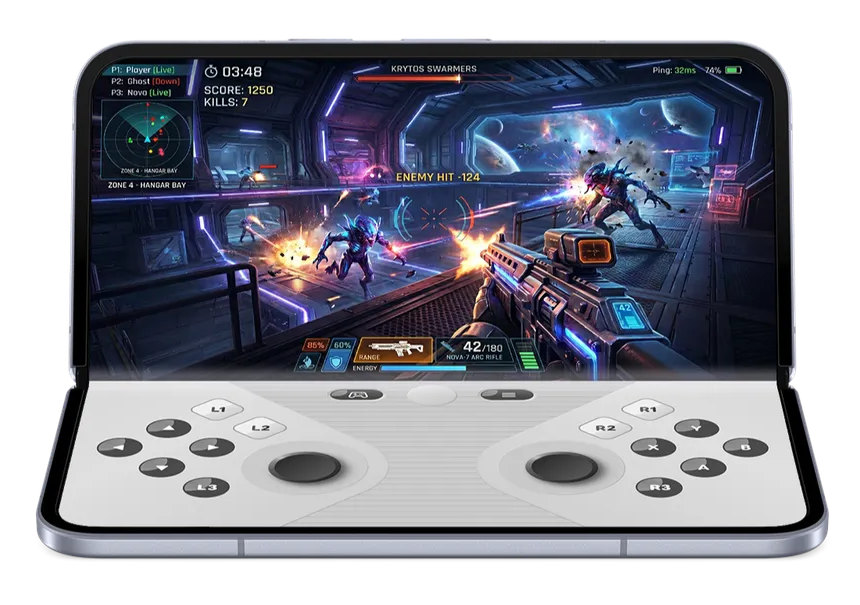
Starting with apps targeting API level 37, Android 17 removes the option for developers to restrict orientation changes or disable app resizing on large-screen devices. Apps will now be expected to support free-form windowing and adapt to different screen sizes automatically.
Games remain exempt from this requirement.
New multitasking features arrive
Android 17 introduces several new multitasking improvements designed for tablets, foldables, and desktop-style experiences.
Users can now convert any app into a floating window through a feature called App Bubbles. A new Bubble Bar on tablets and foldables helps organize these floating windows and allows quick switching between them.
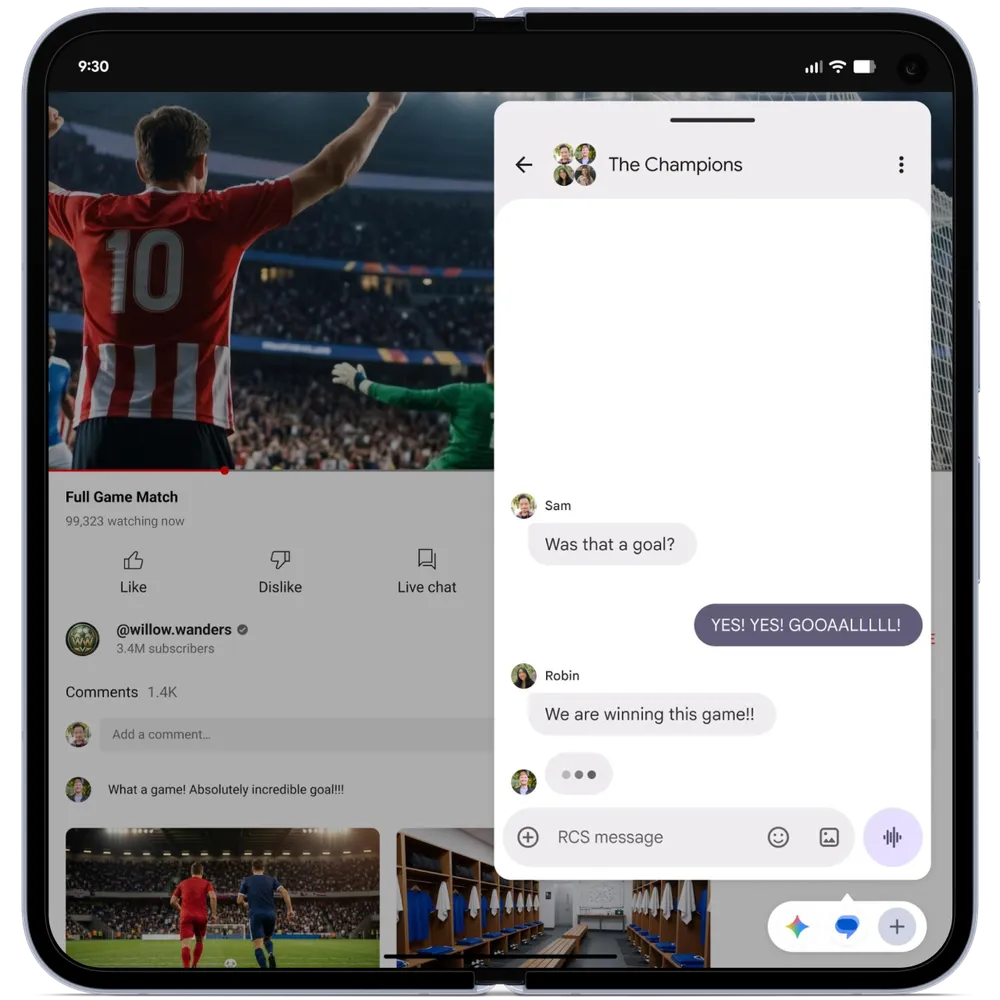
Google has also upgraded Picture-in-Picture mode. In desktop environments, PiP windows can now remain fully interactive while staying on top of other applications.
Another new feature called Continue On allows users to move between devices more easily. For example, if an app was recently opened on a phone, Android can suggest a one-tap shortcut on a connected tablet to continue the same task.
Performance improvements
Google has made several changes aimed at improving battery life, responsiveness, and overall system efficiency.
Android 17 now applies stricter memory limits based on device hardware capacity. Apps that exceed those limits may be terminated automatically.
The company has also updated Android’s garbage collection system with a generational approach that performs smaller and more frequent memory cleanup operations. This helps reduce CPU load and minimizes interface stutters.
Interestingly, Google says this optimization will also reach devices running Android 12 and newer through Google Play System Updates.
Android 17 also introduces a lock-free architecture for the MessageQueue system, which should improve startup times and multithreaded performance for apps targeting SDK 37 and above.
Privacy and security get major upgrades
Privacy remains a key focus in Android 17. Google has expanded temporary and session-based access controls to limit how much information apps can access. A new system-level Contact Picker lets users share only selected contact details instead of granting access to their entire address book. Similarly, the new EyeDropper API allows apps to pick colors from the screen without requiring full screen-capture permissions.

Android 17 also introduces stricter local network controls. Apps must now request ACCESS_LOCAL_NETWORK permission or use system-managed device selection methods before communicating with smart home devices or casting receivers.
The update adds several security enhancements as well. The Find Hub service can now lock lost phones using biometric verification through a “Mark as lost” feature. Physical keyboard input privacy has also been improved by hiding the last typed character by default.
Google is also preparing Android for future security challenges with support for the new APK Signature Scheme v3.2. The system combines traditional cryptographic signatures with ML-DSA technology to provide protection against future quantum computing threats.
New camera, media, and accessibility features
Android 17 introduces support for Eclipsa Video, a new HDR video standard designed to improve video playback across different display conditions and ambient lighting environments.
Photography enthusiasts will benefit from support for the RAW14 image format, which preserves more detail from compatible camera sensors.
Google has also enhanced audio encoding with an upgraded HE-AAC software encoder, improving audio quality for low-bandwidth voice recordings and messages.
For accessibility, Android 17 introduces a dedicated Bluetooth LE Audio hearing aid category. This allows more flexible audio routing, enabling notifications and alarms to be directed separately while maintaining hearing aid connectivity.
Availability
Android 17 source code is now available through the Android Open Source Project (AOSP).
The stable version is rolling out to supported Pixel devices starting today. Users enrolled in the Android 17 Beta 4.1 program can move to the stable release through an over-the-air update if they are not part of the QPR1 beta program.
Google has also confirmed Android 17 beta availability for select devices from brands including HONOR, iQOO, Lenovo, OnePlus, OPPO, Realme, Sharp, vivo, and Xiaomi.