
Editor’s Note: This article is contributed by Mr. Gaurav Pahwa, Director, Lotus Electronics.
When the India Meteorological Department (IMD) signals temperatures above seasonal norms, it does more than describe weather patterns. It sets off a clear and immediate shift in consumer demand across India’s electronics retail sector. Early heat build-up across regions is already accelerating purchase timelines for cooling appliances and home comfort products.
Recent industry estimates suggest that cooling appliance demand has surged this season, driven by the early onset of summer and prolonged heat conditions. Alongside this, summer-driven categories are witnessing strong traction across retail channels. This reflects a direct correlation between climate intensity and buying behaviour. What was once a gradual seasonal curve has now evolved into a compressed demand window—where intent forms quickly and converts even faster.
Rising heat reshaping purchase priorities
The first shift is in timing. Consumers are no longer waiting for peak summer—they are acting at the first signs of rising temperatures. Purchase cycles are moving forward, and decision-making is becoming sharper and more urgent. This shift is also influencing product preferences. There is a clear tilt toward appliances that can sustain long usage hours without driving up energy costs. High-efficiency segments are gaining strong traction, with four-star-rated air conditioners witnessing exponential growth. The consumer mindset is evolving from short-term relief to long-term comfort and performance.
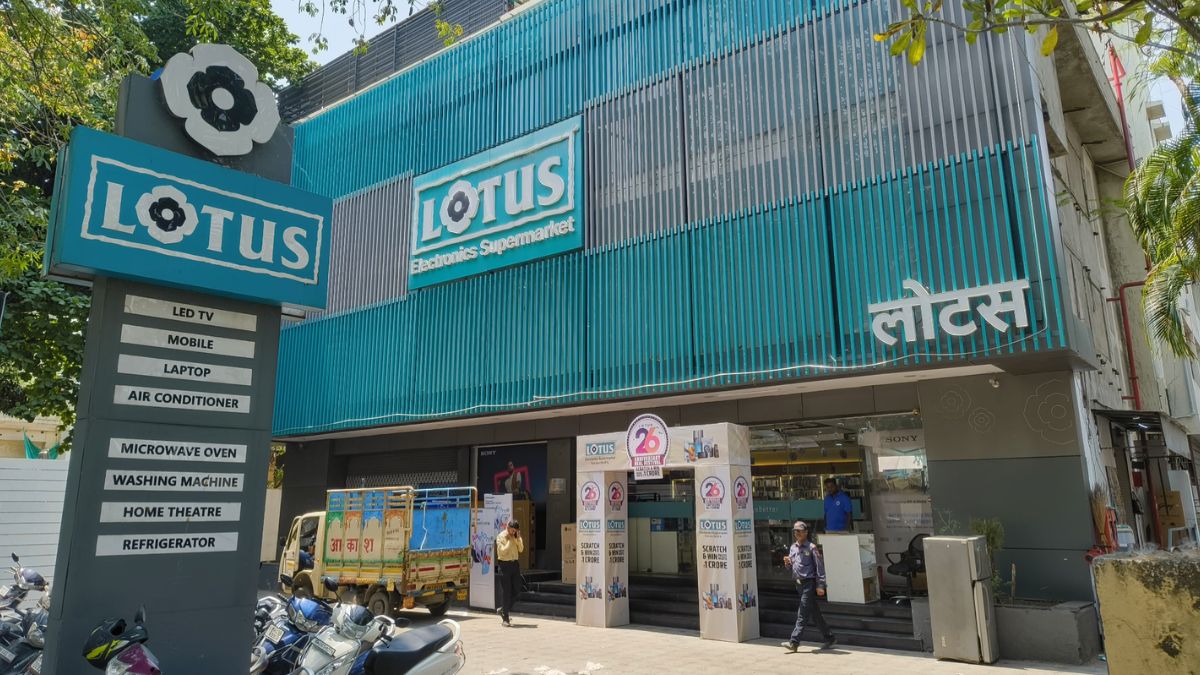
At retail level, this is where structured guidance becomes critical. Retailers like Lotus Electronics are increasingly focusing on simplifying decision-making through expert in-store consultation, ensuring customers choose products aligned with usage patterns, room size, and energy efficiency needs. This guidance is becoming a key conversion driver in a high-pressure buying window.
Supply chains adjusting to concentrated demand cycles
With demand now compressed into shorter, high-intensity windows, supply chain agility is no longer optional—it is the backbone of retail performance. Cooling categories, in particular, are witnessing sharp, unpredictable spikes, where even a brief stock gap can directly translate into lost revenue. In response, retail networks are fundamentally reworking how supply moves. Inventory is being pushed closer to demand centers, replenishment cycles are becoming faster and more frequent, and coordination between warehouses and stores is being tightened to ensure real-time responsiveness. The objective is clear—eliminate friction and keep shelves aligned with demand as it builds.
At the execution level, this is where structured frameworks like the 6C philosophy at Lotus Electronics come into play, bringing discipline to what would otherwise be a volatile cycle. The focus is not just on reacting to demand, but on staying ahead of it. A customer-first approach helps anticipate early demand signals, while strong width across brands and SKUs ensures that choice and availability are never compromised. Faster delivery and installation readiness address the urgency of purchase, while transparent pricing and reliable service build confidence at the point of decision.
Beyond the sale, the emphasis on after-sales support, extended warranties, and integrated finance options—including easy EMIs—ensures that the transaction evolves into a complete solution. This is not just about moving products; it is about enabling seamless ownership. The result is a system where supply is not merely available—it is synchronized with demand, responsive to shifts, and engineered to capture opportunity in real time.
Seasonal offers accelerating purchase momentum
As early demand starts building, pricing and promotional strategy stop being support functions—they become primary conversion drivers. Seasonal campaigns today are no longer about discounting; they are engineered ecosystems built to accelerate decision-making and optimize inventory movement. The focus has clearly shifted from price cuts to value creation. Exchange programs are actively driving faster replacement cycles, while flexible finance options and easy EMI structures are lowering the entry barrier and aligning purchases with monthly affordability. Bundled offerings further strengthen the proposition by combining products with services, making the upgrade decision more compelling and immediate.
Retailers like Lotus Electronics are executing this play with precision, layering these levers with extended warranties and strong after-sales service. The strategy is clear—move beyond transactional selling and build a full-stack value proposition that reduces hesitation and accelerates conversion. The impact is twofold. First, it stabilizes demand by spreading purchases more evenly across the season, avoiding extreme peaks and drop-offs. Second, it nudges consumers toward higher-value, higher-efficiency products, improving both customer outcomes and overall ticket size. This is not discount-led growth—it is strategy-led conversion.
Conclusion
Summer is no longer a season—it’s a demand trigger. Rising temperatures are compressing decision timelines, reshaping preferences, and forcing retail to operate at speed. Success is no longer about stocking inventory; it’s about executing the full stack—guiding decisions, ensuring availability, enabling finance, and backing it with strong after-sales.
Retailers like Lotus Electronics that stay sharp, structured, and customer-first will win. In this cycle, the edge goes to those who can seamlessly integrate product, pricing, service, and guidance—and convert demand in real time.