
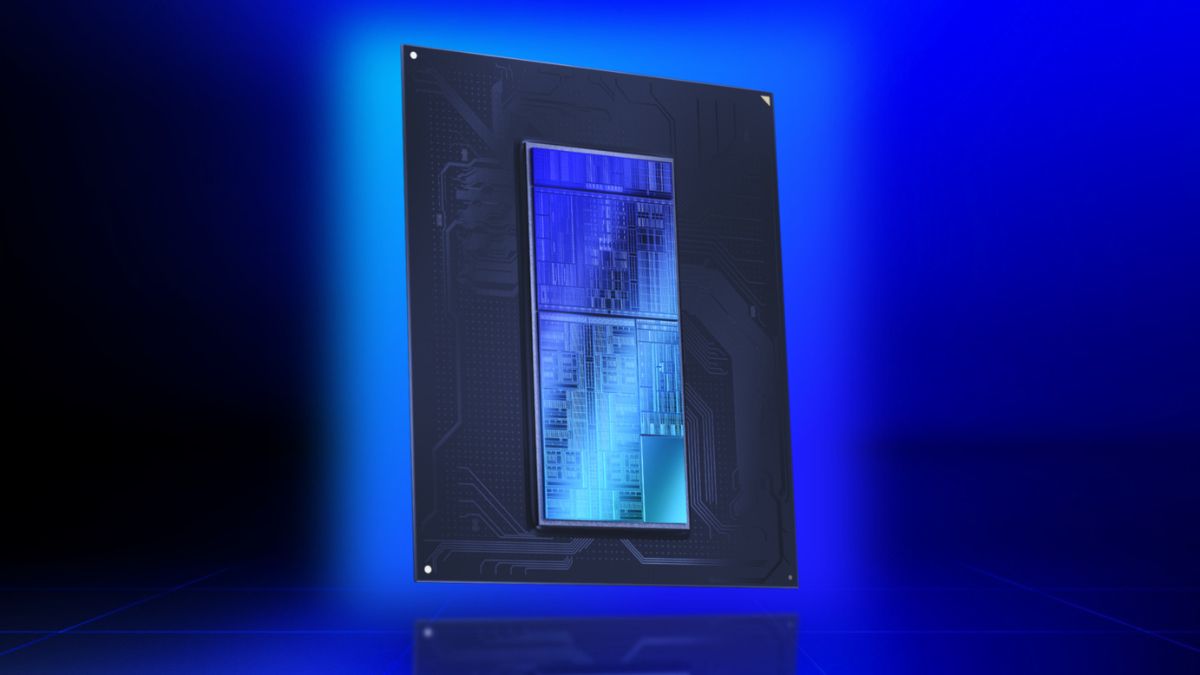

Intel has announced a new lineup of high-performance laptop processors called the Core Ultra 200HX Plus series. These chips are designed for gaming laptops and mobile workstations that need strong CPU performance for demanding tasks. The new processors join the broader Intel Core Ultra 200 Series and focus on gaming, streaming, and professional workloads such as video editing and 3D rendering.
The new lineup currently includes two processors:
- Intel Core Ultra 9 290HX Plus
- Intel Core Ultra 7 270HX Plus
According to Intel, these chips bring architectural improvements along with new software tools designed to improve performance in certain workloads.
Intel claims that the Intel Core Ultra 9 290HX Plus delivers noticeable improvements compared to the previous generation Intel Core Ultra 9 285HX.
The most notable feature is the Intel Binary Optimization Tool, which can improve native performance in select games by optimizing how software interacts with the processor.
The company says the new chip offers:
- Up to 8 percent faster gaming performance
- Up to 7 percent better single-thread performance
Another improvement comes from a 900MHz boost to the die-to-die frequency, which increases the speed of the CPU and memory controller link.
This improvement can reduce system latency and improve overall responsiveness. For gaming laptops, lower latency often results in smoother gameplay and faster frame delivery.
The new processors also support several modern connectivity technologies, including Intel Wi-Fi 7 (5 Gig), Bluetooth 5.4, and Thunderbolt 5 with up to 80Gbps bidirectional bandwidth.
Thunderbolt 5 is important for creators and professionals. Users can connect high-speed storage devices, external GPUs, and multiple high-resolution displays.
Intel said the new processors will start appearing in laptops from various OEM partners throughout the year. Several major laptop brands, including Acer, Asus, Dell, Lenovo, MSI, Razer, Colorful, and MAINGEAR, are already preparing devices powered by the new chips.
This launch shows that Intel is continuing to focus heavily on high-end laptop performance. The HX series chips have always targeted large gaming laptops and mobile workstations where power consumption and cooling are less restricted. The Plus variants appear to be a refined version of the existing HX chips rather than a completely new architecture.
Tools like Binary Optimization and faster interconnect speeds suggest Intel is trying to squeeze more performance out of its platform without dramatically increasing power requirements.
Now that Intel has high competition from AMD’s latest mobile Ryzen chips, it will be interesting to see how this new chip performs in retail laptops and independent benchmarks.