
When you browse the internet, your device connects to websites through an IP address. This IP address reveals your location and identity to websites and online services. If you want to stay private, access blocked content, or secure your connection, you might need a VPN or a proxy. But what is the difference between the two, and which one should you use? Let us find out.
Also see: VPNs vs Proxies: What is Better for Individuals and Businesses?
What is a Proxy?
A proxy is an intermediary server between your device and the internet. When you use a proxy, your internet traffic first goes through the proxy server. The website you are trying to access only sees the IP address of the proxy, not your real one.
There are different types of proxies:
- HTTP Proxy: Works with web traffic only (like websites).
- SOCKS Proxy: Works with more types of data, such as emails and torrents, but is slower.
- Transparent Proxy: Does not hide your IP; often used by companies or schools to monitor usage.
What Does a Proxy Do?
A proxy hides your IP address, allows basic anonymity, and bypasses geo-restrictions or website blocks. But it does not encrypt your data. This means your ISP or anyone monitoring the network can still see what you are doing.
Also read:
What is a VPN?
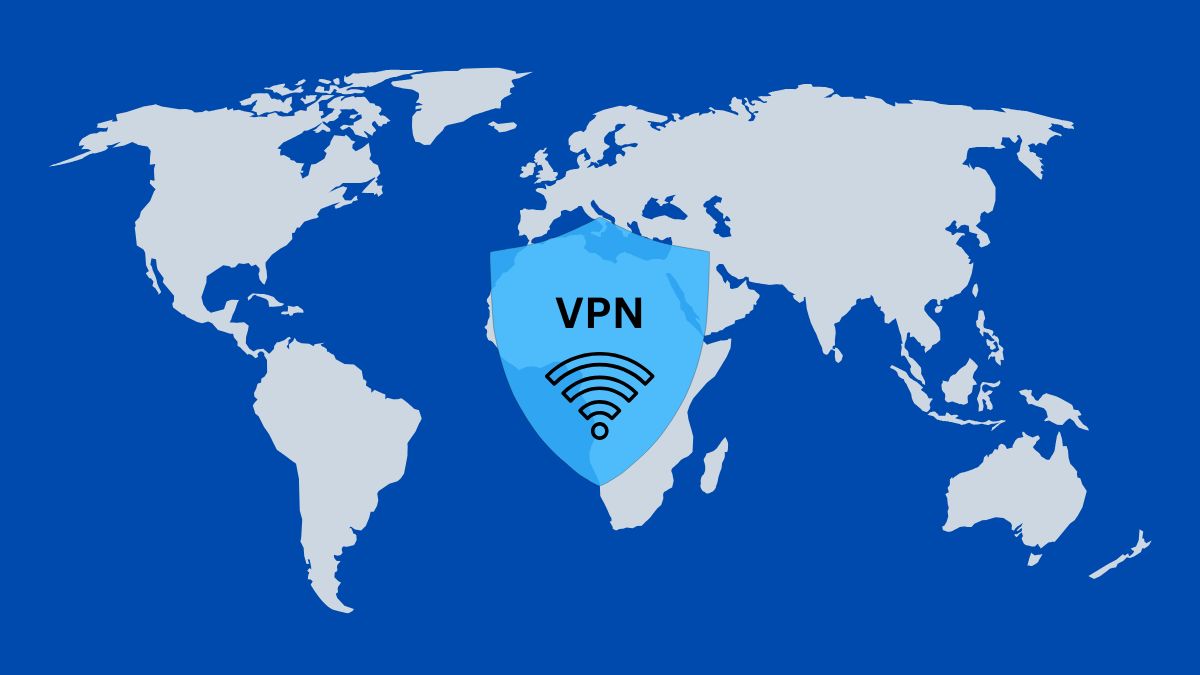
A VPN (Virtual Private Network) also hides your IP address, but it does more than that. A VPN creates a secure, encrypted tunnel between your device and the VPN server. All your internet traffic passes through this tunnel. This means no one can see what you are doing—not hackers, not your ISP, not even the government.
I recommend ExpressVPN, CyberGhost, and NordVPN. Check our VPN section to find out the best VPNs and learn more about VPNs.
What Does a VPN Do?
VPN hides your IP address, encrypts your internet traffic, bypasses censorship and geo-blocks, and protects your privacy and security. It works at the system level. So all apps on your device go through the VPN, not just your browser.
VPN vs. Proxy: Key Differences
| Feature | Proxy | VPN |
|---|---|---|
| IP Hiding | Yes | Yes |
| Data Encryption | No | Yes |
| Speed | May be faster (less secure) | Slightly slower (more secure) |
| Device Coverage | Usually browser/app only | Entire device |
| Security | Low | High |
| Privacy | Basic | trong |
| Ideal For | Bypassing website blocks | Maybe faster (less secure) |
When Do You Need a Proxy?
You can use a proxy when:
- You just want to unblock a website.
- You need a quick, lightweight solution.
- You do not care much about security.
- You are doing basic tasks like checking geo-blocked news or content.
Example: You want to watch a video on a site that is blocked in your country. A proxy can help you access it without needing full encryption.
When Should You Use a VPN?
A VPN is a better option when:
- You want strong privacy and security.
- You use public Wi-Fi and want to stay protected.
- You want to hide your online activity from your ISP or government.
- You need to access restricted content securely, like streaming platforms or blocked websites.
- You work remotely and need a safe connection to your company’s network.
Example: You are working from a café and want to access your office files. A VPN will encrypt the data and protect you from hackers on public Wi-Fi.
Which One is Right for You?
If you are only looking to access blocked websites quickly and do not need encryption, a proxy is enough. But if you value your privacy, want security, or use public networks, a VPN is a better choice. So, it depends on the task you want to do.
Think of it like this:
- A proxy is like a mask—it hides your face.
- A VPN is like a secure room with a locked door—it hides you and keeps you safe.
Final Thoughts
Both VPNs and proxies help you stay anonymous online, but they are built for different purposes. A proxy is good for simple tasks, but a VPN offers complete protection. If you care about privacy, use a VPN. If you just want to bypass a block, a proxy might be enough.
Choose what works best for your needs, but always stay informed and stay safe online.