
Apple is no longer moving ahead with its much-talked-about AI-powered Health+ service. The company has decided to scale back the project and drop the idea of launching it as a separate service. Instead, Apple will slowly add the developed features into its existing Health app over time.
This is a major change from earlier reports, which suggested that Apple was working on a full-fledged AI health coaching platform. The service was expected to analyse user health data, give personalised recommendations, and even correct workout form using the iPhone camera. That plan is now being reworked internally.
According to recent reports, Apple made this decision a few months after it moved its Health and Fitness teams under the Services division. This group is led by Eddy Cue. Internal sources say Cue wanted Apple to move faster and compete more aggressively in the wellness space.
However, Apple reportedly concluded that it was not competitive enough in this area. The wellness market on iOS is already crowded. Apps and services like Oura and Whoop offer deep health tracking, advanced insights, and AI-driven coaching. Many of these services are already well established and widely used.
Because of this, Apple decided not to launch Health+ as a separate service. Instead, the company will release the features in smaller parts. Some recommendation-based features that use user health data are expected to arrive later this year. An AI-powered health chatbot that can answer wellness-related questions is also in development and may launch in the near future.
Apple’s focus on health is not new. The company has been building health features for more than a decade. The Health app was introduced to bring all health data into one place. Over the years, Apple added support for heart rate tracking, sleep monitoring, activity rings, ECG, blood oxygen, and more, mainly through the Apple Watch.
The idea of an AI-powered health coach started gaining attention in early 2025. Reports suggested Apple was working on an advanced AI system that could act as a personal health assistant. Internally, the project was reportedly known as Health+ or Project Mulberry.
The goal was to use data from the iPhone and Apple Watch to give tailored health advice. The AI would analyse activity, sleep, heart rate, and other metrics. It would then suggest lifestyle changes, workouts, and wellness improvements. One of the most ambitious features was form correction during workouts using the iPhone camera.
Apple also invested heavily in content for this project. Reports claimed the company hired doctors, medical experts, and health professionals. Apple even built a dedicated studio to record educational health videos that would be used inside the service.
Initially, Apple planned to launch Health+ with a major iOS update. Early timelines pointed to iOS 26. Later, the launch was pushed to iOS 27. Each delay suggested the project was becoming more complex and harder to execute at Apple’s usual standards.
The biggest reason appears to be competition and execution speed. The wellness market moves fast. Third-party services already provide advanced health analytics and personalised coaching. Apple’s internal pace may not have been fast enough to match or surpass these offerings.
Another important factor is risk. Health-related AI is extremely sensitive. Any wrong advice or misinterpretation of data can have serious consequences. Apple is known for being cautious, especially when it comes to user safety and privacy. Releasing a large AI health service all at once carries significant risk.
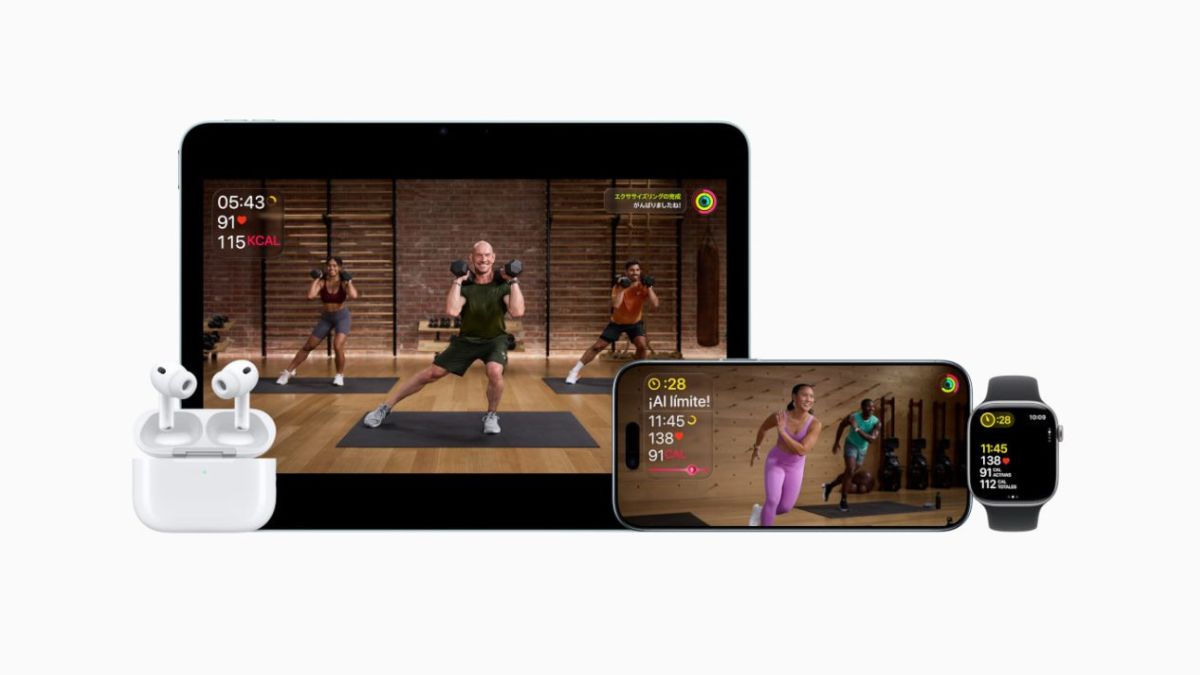
There is also the question of subscriptions. Apple already offers Fitness+. Adding another paid health service might not appeal to many users. Many people already pay for third-party health apps. Convincing them to switch or pay extra would not be easy unless Health+ offered something clearly better.
By breaking the project into smaller features, Apple can test them gradually, reduce risk, and improve based on user feedback.
Apple is only dropping Health+, not abandoning health AI. The company is clearly continuing the work, just in a different form. The features already developed will not go to waste. They will be integrated into the Health app step by step.
This approach also fits better with Apple’s broader AI strategy. Instead of launching standalone AI products, Apple seems to prefer embedding intelligence directly into existing apps and services.
Some analysts believe Apple could still launch a full AI health service in the future, possibly under a different name or as part of Apple Intelligence. Others think Apple may focus more on partnerships with medical institutions rather than consumer-facing AI coaching.
I think the current development is actually better for users. Instead of waiting years for a big launch, they will start seeing useful health features arrive sooner. These updates will feel more natural because they are part of the Health app they already use.


![Mivi DuoPods Vibe Earbuds [New Launch], 60 Hours Playtime, AI-ENC for HD Calls, 13mm Drivers, IPX 4.0, BT v5.3, Made in India True Wireless Bluetooth Ear Buds](https://m.media-amazon.com/images/I/412rzDKvZ3L._SL160_.jpg)