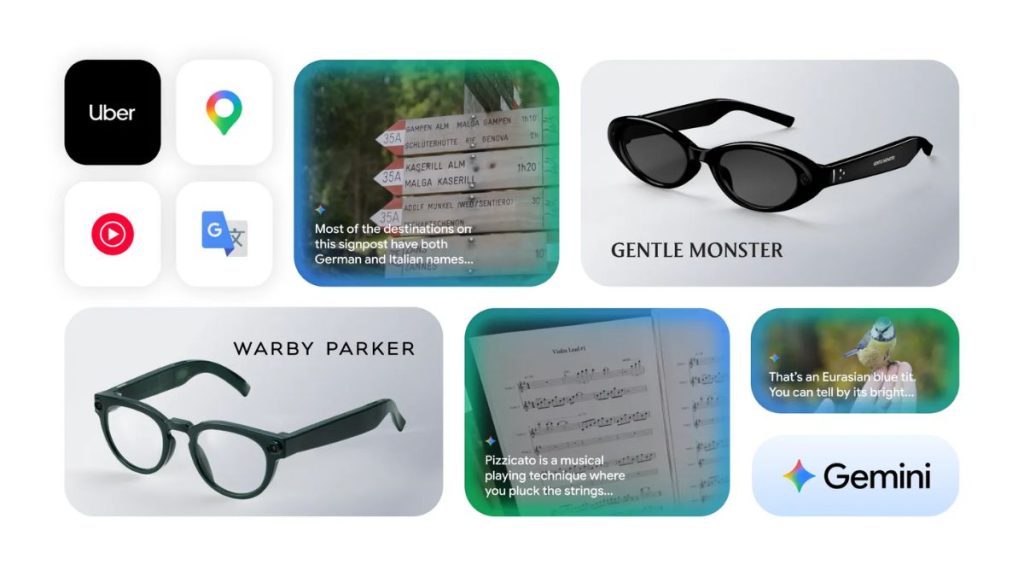
At Google I/O 2026, Google revealed its latest vision for Android XR and AI-powered wearable computing. The company showcased a new generation of Gemini-powered smart glasses designed to bring AI assistance directly into everyday life.
The announcement included two categories of intelligent eyewear: audio glasses and display glasses. Google says audio glasses will launch first later this year in partnership with eyewear brands Gentle Monster and Warby Parker.
These smart glasses look genuinely useful. Users can ask Gemini questions about objects around them, get turn-by-turn navigation, translate speech in real time, send messages, take photos, listen to music, and even interact with apps like Uber and DoorDash without touching their phones.
But beyond the flashy demos and AI buzzwords, this announcement shows how Google is once again trying to reclaim a future it originally helped create years ago.
What Google’s New Smart Glasses Actually Do
Google is positioning these glasses as hands-free AI companions powered by Gemini and Android XR. The first products launching later this year are audio-focused smart glasses. Instead of displaying visuals directly in front of your eyes, these glasses mainly provide voice-based assistance through built-in speakers and microphones.
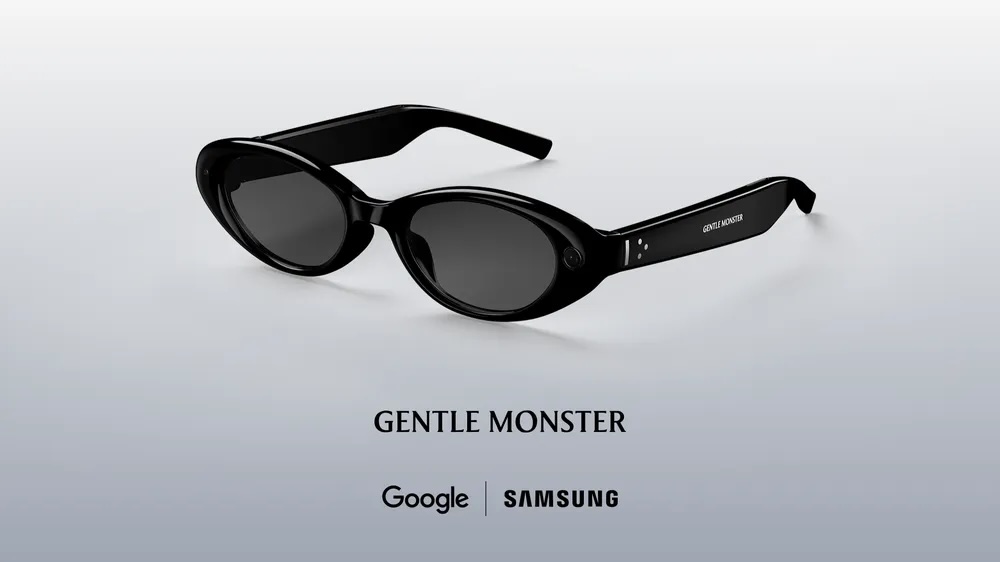
Users can activate Gemini by saying “Hey Google” or by tapping the side of the frame. The glasses can then perform several AI-powered tasks, including:
- Answering questions about objects and places around you
- Reading and translating text from signs or menus
- Providing natural turn-by-turn navigation
- Sending texts and managing calls hands-free
- Summarizing missed notifications
- Playing music
- Taking photos and videos
- Editing images using AI tools
- Performing multi-step tasks like placing food orders
Google also says the glasses will work with both Android and iPhone devices.
The company showcased AI features that feel far more practical than earlier smart glasses attempts. Instead of trying to replace smartphones entirely, these glasses focus on quick contextual assistance. For example, users can ask Gemini to explain a confusing parking sign, translate a restaurant menu, or identify nearby places while walking through a city.
This feels much closer to real-world usefulness than many earlier AR wearable concepts.
Google Was Early to Smart Glasses, But Never Stayed Committed
The interesting part is that none of this is actually new for Google. More than a decade ago, the company introduced Google Glass, one of the first mainstream attempts at consumer smart glasses. At that time, the technology was ahead of the market. People were not ready for wearable cameras, AR interfaces, or AI-driven contextual computing.
But Google also failed to fully commit. Instead of refining the product and solving its early problems, the company slowly pulled back. Over the years, Google repeatedly launched futuristic ideas before abandoning or sidelining them.
The company was also ahead in several other areas:
- voice assistants with Google Assistant,
- AI-powered search experiences,
- ambient computing,
- and wearable AI concepts.
But while Google experimented, competitors kept building.
Today, companies like Meta are already seeing real traction with Ray-Ban smart glasses. Apple entered the mixed reality market with Vision Pro. AI hardware startups are also racing to build wearable assistants powered by generative AI. In many ways, Google is now trying to catch up in a market it originally helped inspire.
This also connects directly with a larger issue many users and analysts have noticed over the years. Google often introduces ambitious products but struggles with long-term focus and execution. We previously discussed this pattern in our earlier article about how Google keeps losing major opportunities despite being ahead of the competition.
Why This Time Could Be Different
Despite the criticism, Google may finally have the right timing now.
Back during the Google Glass era, AI was limited, hardware was bulky, battery life was poor, and people were uncomfortable with wearable cameras. Things have changed significantly in 2026. Generative AI has made voice assistants far more capable. Smaller chips now allow lighter wearable devices. Users are also becoming more comfortable talking to AI assistants thanks to tools like Gemini and ChatGPT.
Google also appears to be taking a smarter approach this time by focusing on lightweight audio glasses first instead of jumping directly into complex AR hardware.
The partnership with Samsung, Qualcomm, Gentle Monster, and Warby Parker also shows that Google understands smart glasses need to feel like normal eyewear instead of experimental gadgets.
That could make a huge difference.
Inconsistency is still a Big Challenge
The real challenge for Google is still not the technology, but consistency. Google has a long history of launching promising ideas and then losing focus before the market fully develops. If the company truly wants Android XR and Gemini glasses to succeed, it cannot afford another short-term experiment.
While Google may still have some of the best AI technology in the industry, competitors are moving faster and staying focused longer.
This time, Google is no longer the only company building the future of wearable computing.
Related Posts