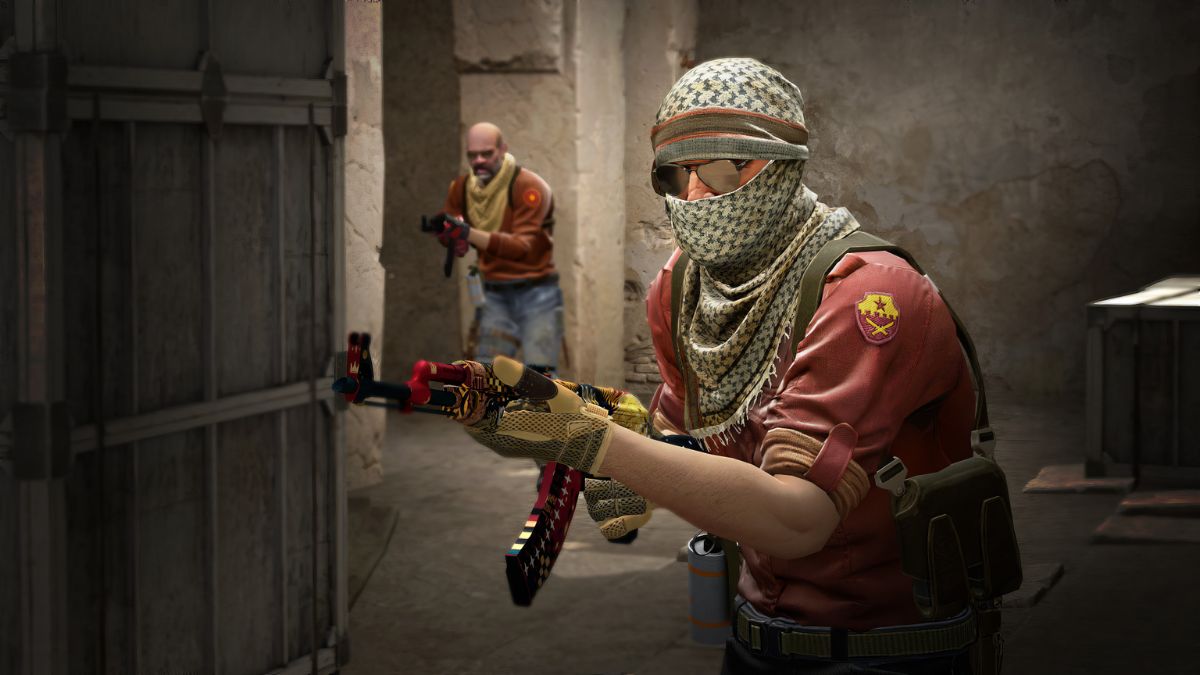

I still remember the first time I played Counter-Strike: Condition Zero back in 2006. It was not just a game. It was an addiction. But Counter-Strike 1.6 introduced me to LAN gaming in college. Hostel life made everything more intense. We used to sit for hours in each other’s rooms, playing match after match. Sleep did not matter. Classes did not matter. If a game was going on, nothing else existed. I was always that one guy who said “last match,” and then we played five more. LAN tournaments, shouting teammates, and winning celebrations were part of our lives.
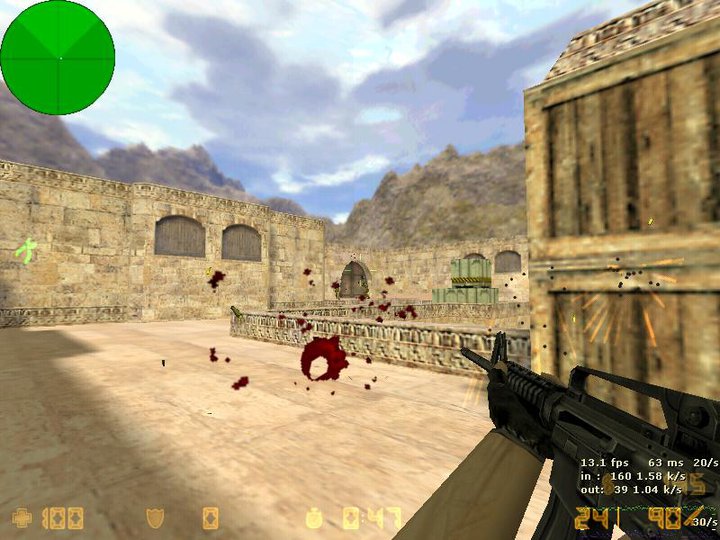
Even after college, the game never really left me. When Counter-Strike: Global Offensive arrived, things changed. Online matchmaking, ranks, skins. During COVID, it again became intensive because my friends also got time to join me. We began private servers with friends, late-night matches, and endless Dust2 games.
And today, with Counter-Strike 2, I still manage to play it almost daily.
That is the strange thing about Counter-Strike. You never really quit. You just take breaks.
Most games follow a predictable pattern. They launch with hype, attract millions of players, and then slowly start losing them. Within a few years, most of them fade away or survive with a much smaller player base. But Counter-Strike is different and refuses to follow this usual pattern.
According to Counter-Strike Steam charts, the game consistently sees around 1.2 to 1.5 million concurrent players on a daily basis. The all-time peak has already crossed 1.8 million concurrent players, which is something most games never achieve even at launch.
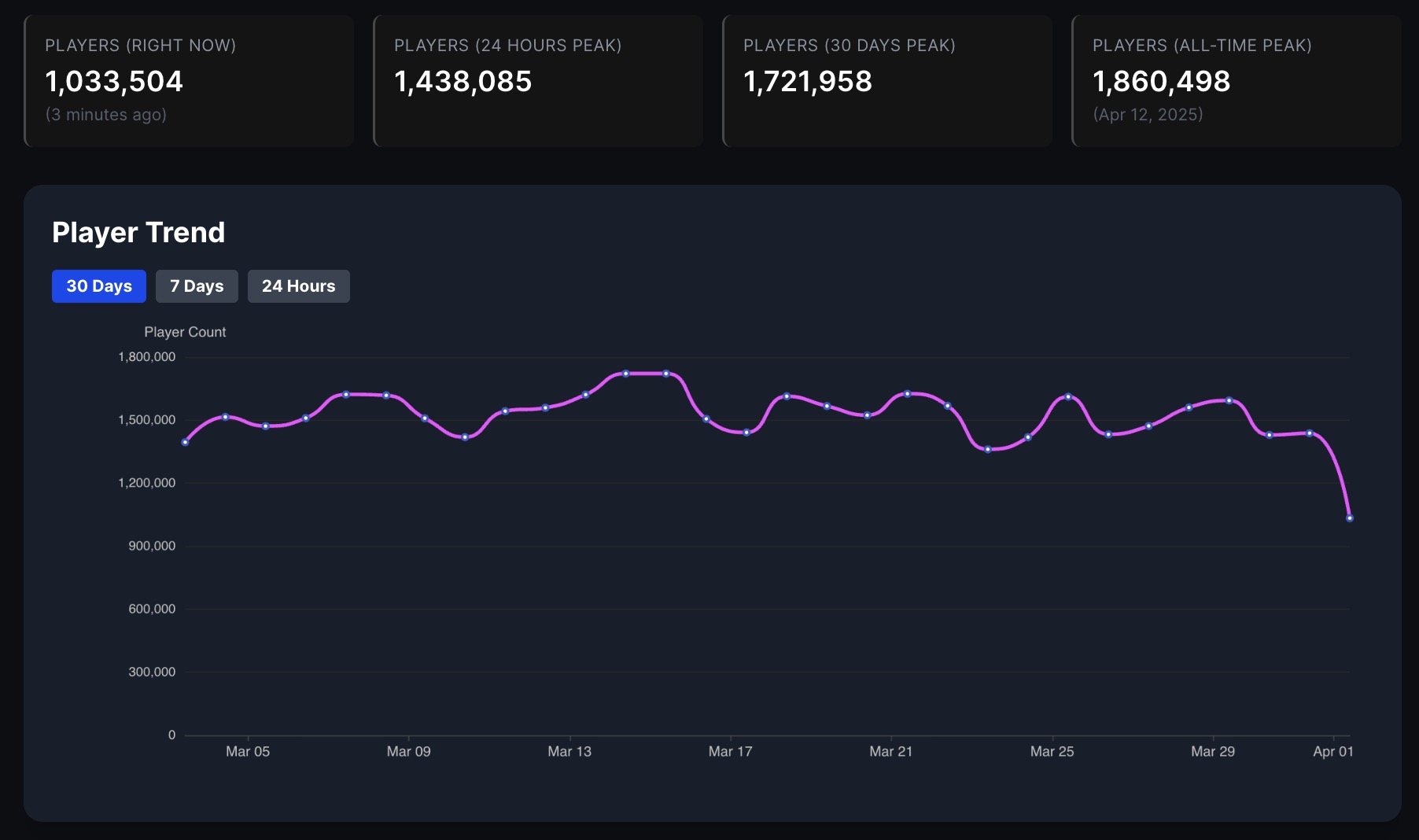
If you look at monthly averages, the game still holds close to or above 1 million active players. And this is happening years after the release of Counter-Strike: Global Offensive and now continuing with Counter-Strike 2.
To understand how big this is, you need to compare it with modern multiplayer games. Most new titles struggle to maintain even a few hundred thousand active players after the initial hype is gone. Many of them drop below that within months. Counter-Strike has been doing the opposite for more than two decades as a franchise. It is almost always sitting at the top of the Steam charts.
This is not just because people have nostalgia for the older versions. If it were only nostalgia, players would log in occasionally and leave. Millions of players are logging in daily, playing competitive matches, grinding ranks, and spending hours in the game.
At its core, Counter-Strike is very simple. Two teams. Terrorists and Counter-Terrorists. One plants the bomb, the other defuses it. That is it.
There are no complicated rules, so you do not need long tutorials to understand the game. Even a new player can understand what is happening within a few rounds. That simplicity is what pulls people in.
But the moment you start taking the game seriously, everything changes.
You realize that shooting is not just shooting. Every gun has a recoil pattern. If you spray without control, you miss. So you learn to control recoil. Then you learn to burst fire. Then, tap shooting. Then you start adjusting based on distance and weapon.
Then comes crosshair placement. You stop aiming randomly and start keeping your crosshair at head level. You begin to predict where enemies might appear. Small improvements start making a big difference.
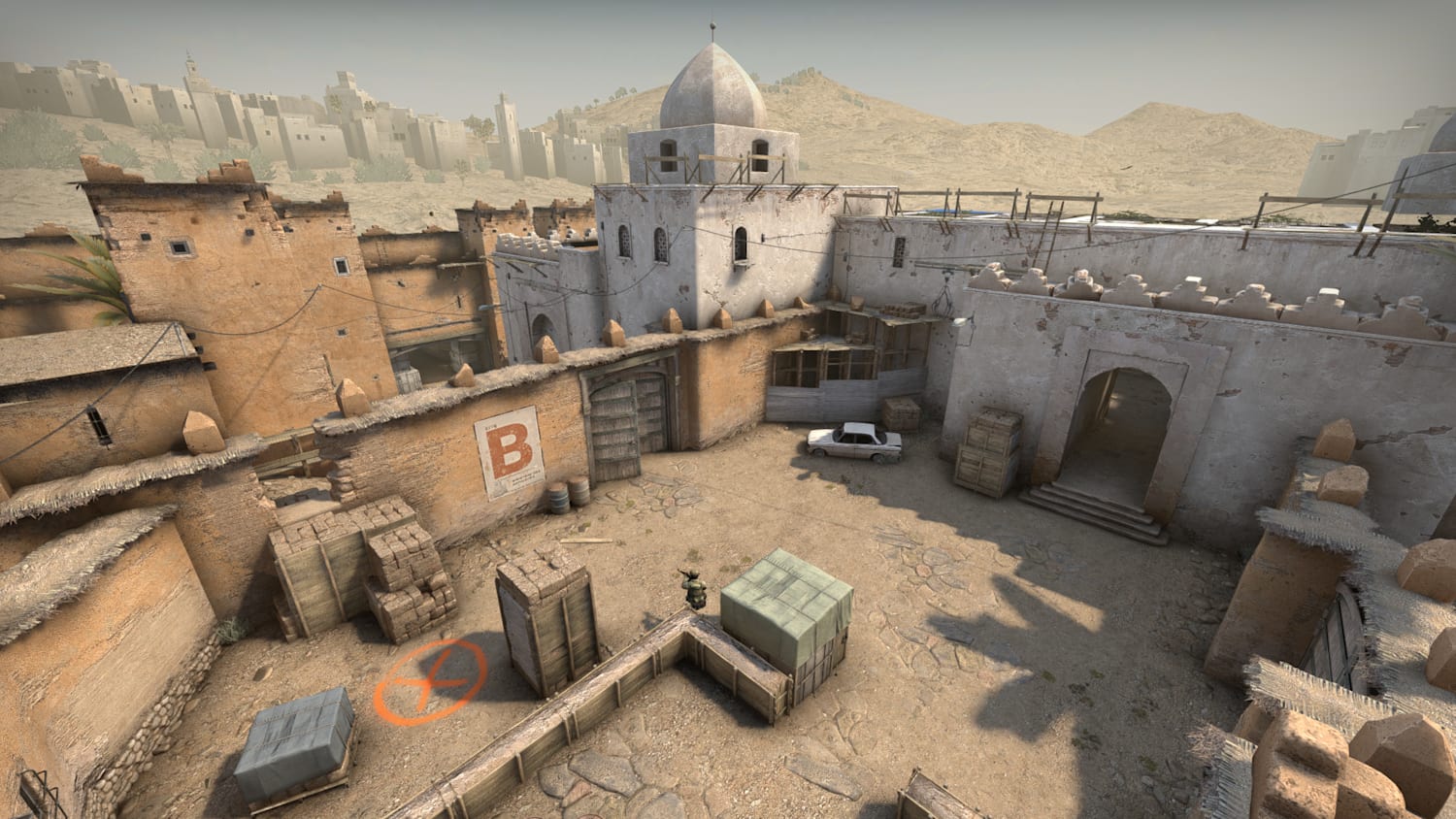
Maps are another story. At first, Dust2 looks simple. But then you learn timings. Who reaches mid first? How long does it take to rotate from B to A? Where people usually hide. Common angles. Off angles. Boost spots. Every map becomes a learning process.
Utility usage adds another layer. Smokes, flashes, molotovs. At the beginner level, people throw them randomly. But at higher levels, one smoke can block vision, one flash can win a round. You start learning lineups. You remember them. You practice them.
Then comes communication. A good team with average aim can still win. Calling enemy positions, coordinating pushes, trading kills. It becomes less about individual skill and more about teamwork.
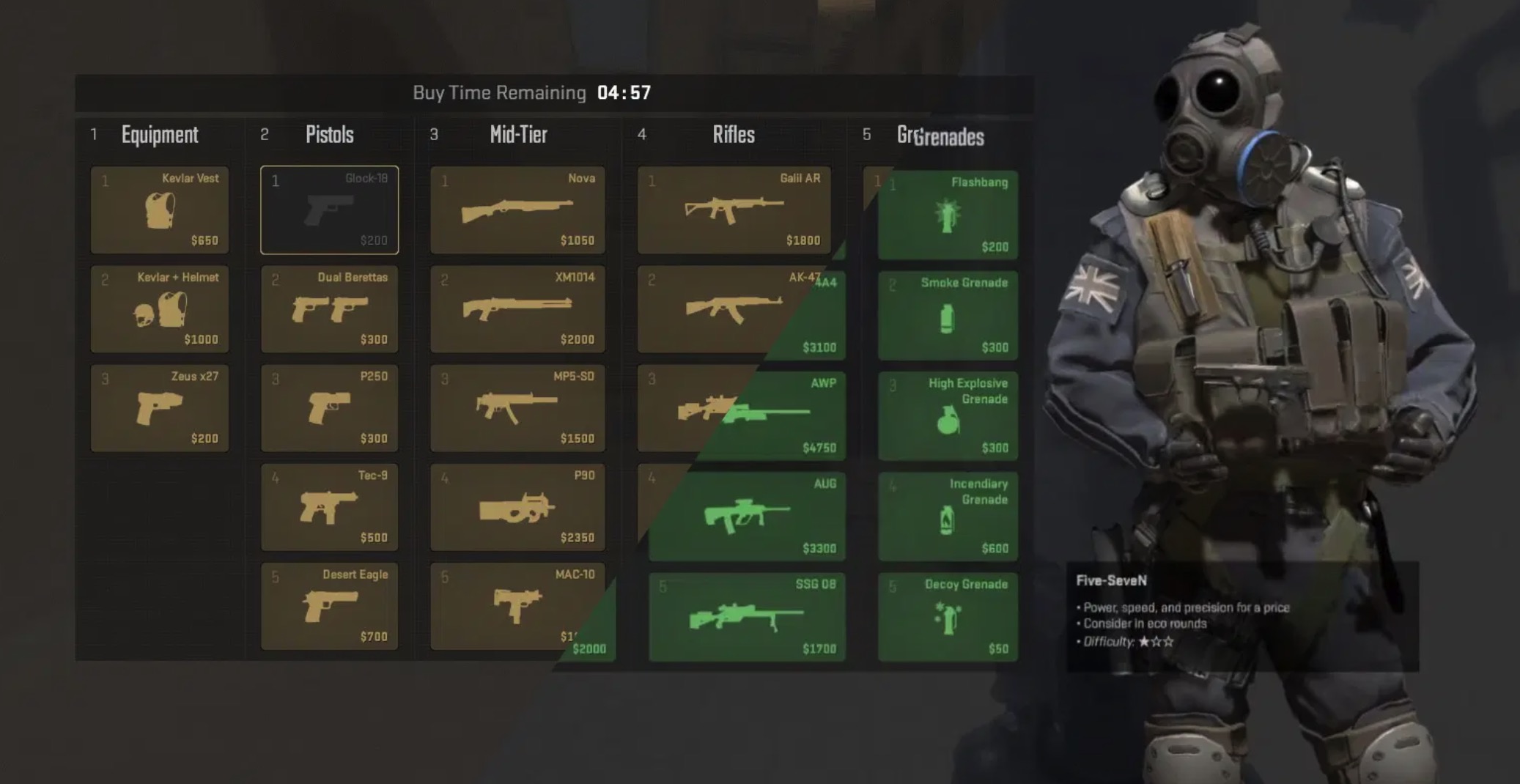
The economy also plays an important role in the game. When to buy. When to save. When to force. One wrong decision can cost multiple rounds. This part alone takes time to understand properly.
All these things come together slowly. Not in a week. Not in a month. Sometimes not even in years.
Even today, after playing for so long, I still notice mistakes in my own gameplay. Sometimes it is positioning. Sometimes decision-making. Sometimes, just panic in clutch situations.
And that is what makes Counter-Strike special.
You never feel like you have mastered it completely. There is always something to improve and always something to learn. And that is exactly why players keep coming back.
One of the most overlooked reasons behind its success is accessibility. Counter-Strike has never been a game that demands expensive hardware. From the early days of Counter-Strike 1.6 to Counter-Strike 2, the focus has always been on keeping the game playable for a wide range of systems.
I still remember playing it on my PC that had basic specs, where I couldn’t properly play Project IGI. Low FPS, basic monitors, cheap peripherals. But the game still worked. And more importantly, it was still fun.
That same philosophy continues even today. You do not need a high-end gaming PC to play Counter-Strike. Yes, better hardware gives smoother performance, but the game itself does not lock you out if you are on a budget laptop or an older system. You can still install it, join a match, and compete.
This matters more than people usually realize.
A huge portion of the global gaming audience does not have access to expensive setups. In countries like India, Brazil, and across parts of Eastern Europe, affordability plays a big role in what people can play regularly. If a game demands high specs, it automatically limits its reach.
Counter-Strike never created that barrier. That is why it continues to attract players from all kinds of backgrounds. School students playing on entry-level laptops. College students sharing systems. Working professionals who do not want to invest heavily in hardware but still want a competitive game.
The game is easy to install, easy to run, and easy to get into. When the game is this accessible, it naturally builds a much larger and more diverse player base over time.
Many games have tried to replicate Counter-Strike’s formula over the years. Some came close, but most failed quickly. The most notable recent competing game is Valorant. Valorant did many things right. It took the core idea of a tactical shooter and added abilities, agents, and a more modern presentation. It attracted a massive audience, especially among new players. It also built a strong esports scene in a short time.
But even after all that, it could not replace Counter-Strike. And the reason is simple, that we all know. Counter-Strike feels raw in a way very few games do. There are no abilities to save you. No special powers. No characters with unique skills. Everyone starts equal. The difference comes from how well you aim, how you position yourself, how you time your moves, and how you make decisions under pressure.
Every mistake is yours. This is the reason every win feels earned. Think about a 1v4 situation. You are the last player alive. The bomb is ticking. Teammates are watching. No one is talking. You hear footsteps. You have to decide in seconds what to do.
That tension is hard to explain unless you have experienced it. And Counter-Strike delivers that feeling consistently. Even players who try other games often come back because they miss this exact thing. They miss the simplicity. They miss the fairness. They miss the pressure that comes without any extra layers.
Another major factor behind its long-term success is the skin’s economy, which keeps players engaged in another form. Skin was started as a simple cosmetic item, but it slowly turned into a full marketplace where players buy, sell, trade, and collect items. Over the years, some skins have become extremely rare and valuable. There are items that are worth thousands of dollars. People track prices, follow trends, and even treat skins like digital assets.
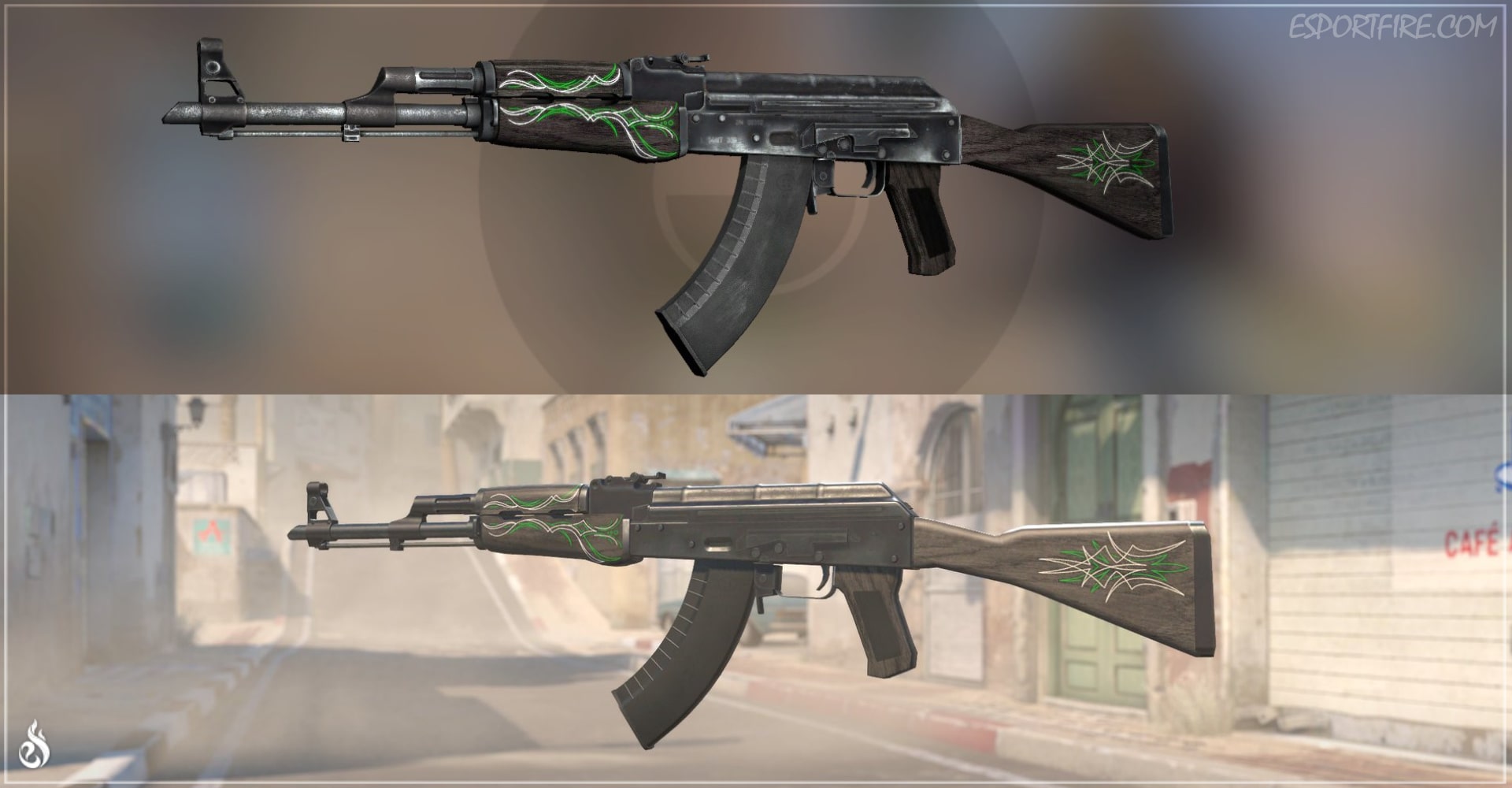
This adds a completely different layer to the game. You will find players who may not be actively grinding competitive matches every day, but they still log in regularly. They check their inventory. They open cases. They look at market prices. They wait for weekly drops. In some cases, they are more engaged with the economy than the gameplay itself.
It keeps them connected.
Counter-Strike has always struggled with cheating. From the days of Counter-Strike 1.6 to Counter-Strike 2, players have dealt with it in one form or another. And yes, even today, there are complaints. People talk about issues related to anti-cheat, inconsistent matchmaking, and sometimes bots in matches. There are also discussions around how certain anti-cheat measures behave, especially when it comes to performance or streaming setups.
In most games, problems like these can seriously damage the player base. People lose trust, stop playing, and move on to something else. But Counter-Strike does not collapse under this pressure. And the reason comes back to its core strength.
The gameplay is strong enough that players are willing to tolerate imperfections. That does not mean they accept cheating. It means the overall experience is still valuable enough for them to stay.
At the same time, the ecosystem around Counter-Strike has evolved to handle these issues.
Serious competitive players often move to third-party platforms like FACEIT, where anti-cheat systems are stricter and matchmaking is more reliable. These platforms offer a more controlled environment for players who want a fair, competitive experience.
Casual players, on the other hand, continue playing on official servers. For them, the game is more about fun, quick matches, and playing with friends.
So instead of losing players completely, Counter-Strike splits them across different ways of playing.
One of the most interesting aspects of Counter-Strike is its player diversity. You do not see this kind of mix in most modern multiplayer games.
In a typical match, you might be playing with a school student who just logged in after finishing homework. In the next round, you have a college player who is grinding ranks seriously. Then there are working professionals who come online after office hours just to relax and play a few matches. And then there are players in their 30s or even 40s who have been playing since the days of Counter-Strike 1.6 or Counter-Strike: Condition Zero.
It all exists in the same ecosystem.
While Valve Corporation has not shared an exact official age breakdown, industry estimates, and community observations suggest that a large portion of the active player base falls between 18 and 34 years old. But what makes Counter-Strike different is that it does not lose older players as easily as other games.
Most modern shooters are driven by trends. New mechanics, new styles, fast-changing gameplay loops. Younger players adapt quickly, but older players often move away over time.
Since the core gameplay has stayed familiar. The mechanics remain consistent across versions. So if someone played the game 10 or 15 years ago, they can come back and still understand how it works. They may need time to adjust, but they are not starting from zero. That creates a strong sense of continuity. It is also the reason why players like me keep coming back. You do not feel disconnected from the game, even after taking long breaks.
And when a game manages to stay relevant for both new players and veterans at the same time, it builds a truly multi-generational player base.
After playing this game for almost two decades, one thing is very clear to me. Counter-Strike does not depend on trends. It never tried to chase what is popular at the moment. It never rushed to add features just because other games were doing it. Instead, it has always moved slowly. Sometimes too slowly. Updates take time. Changes are debated for months. And not everyone is happy with every update.
And sometimes, those updates feel almost funny. One update removes a few hens from a map. Another changes the size of a window. Sometimes a ladder disappears. Then in the next update, a ladder comes back somewhere else. The community jokes about it all the time. People make fun of Valve Corporation for these tiny changes like they are major updates.
But at the same time, those same players are still playing the game daily.
That is the interesting part. Players complain, they joke, they criticize every patch. But they do not leave. Because deep down, they know the game itself still works.
And that is exactly why I feel Counter-Strike is never going to die.
It is not dependent on hype cycles. It does not need a big yearly launch. It does not need to reinvent itself to stay relevant. As long as people enjoy competitive shooters, Counter-Strike will always have a place.
New games will come. Some will grow fast. Some will fade away. Some will try to replace Counter-Strike directly. But replacing something like this is not easy. It is not just about gameplay. It is about years of muscle memory, habits, community, and experience.
For many players, Counter-Strike is not just another game in their library. It is the game they come back to after trying everything else. Even today, if I stop playing for a few weeks, I know I will return. Maybe for a quick match. Maybe for a full session. But I will return for sure.
And I am not the only one.
Millions of players do the same thing every single day.
That is why Counter-Strike is not just surviving. It is still growing, still evolving, and still relevant.