
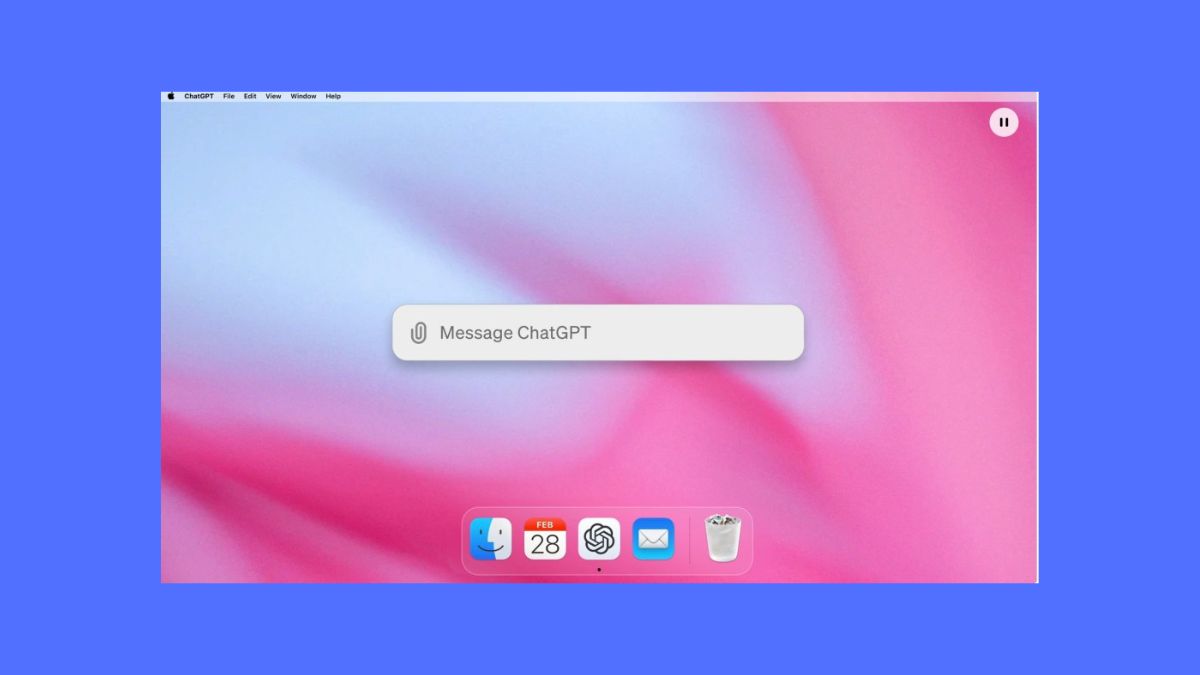

OpenAI has asked macOS users to immediately update its apps, including ChatGPT and Codex, after a software supply chain attack involving a widely used JavaScript library.
The company confirmed that no user data, passwords, or API keys were compromised. However, it is taking strong precautionary steps after the incident exposed parts of its macOS app signing process.
The issue started on March 31, 2026, when attackers compromised the npm account of a maintainer of Axios, a library used by millions of developers. Malicious versions of Axios were released, which secretly included a hidden dependency acting as a remote access tool. This malware could run on Windows, macOS, and Linux systems, collect system information, and then remove itself to avoid detection.
Since Axios is downloaded over 100 million times every week, the potential impact of this attack was massive.
OpenAI said its internal build system pulled the compromised Axios version automatically through its development workflow. This gave the malicious code temporary access to sensitive certificate material used to sign macOS apps like ChatGPT Desktop and Codex. These certificates are critical because they tell Apple systems that an app is genuine. If abused, attackers could have created fake apps that look official and bypass security checks.
OpenAI said the issue was caused by a misconfiguration in its automated workflow, which has now been fixed.
OpenAI is revoking old certificates and issuing new ones. Because of this, all macOS users must update their apps to continue using them safely. Older versions of ChatGPT, Codex, Atlas, and Codex CLI will stop working properly after May 8, 2026. Users can update through the app or download the latest version from official sources.
The company says the impact was limited to macOS apps. Android, Windows, and Linux versions were not affected.
OpenAI has clearly stated that there is no need to change passwords, as login data was not affected. There is also no evidence of data theft or user-level compromise.