
The gaming industry is no stranger to subscription services anymore. Over the past few years, platforms like Xbox Game Pass have changed how players access games. Instead of buying titles one by one, players now pay a monthly fee and get access to a large library.
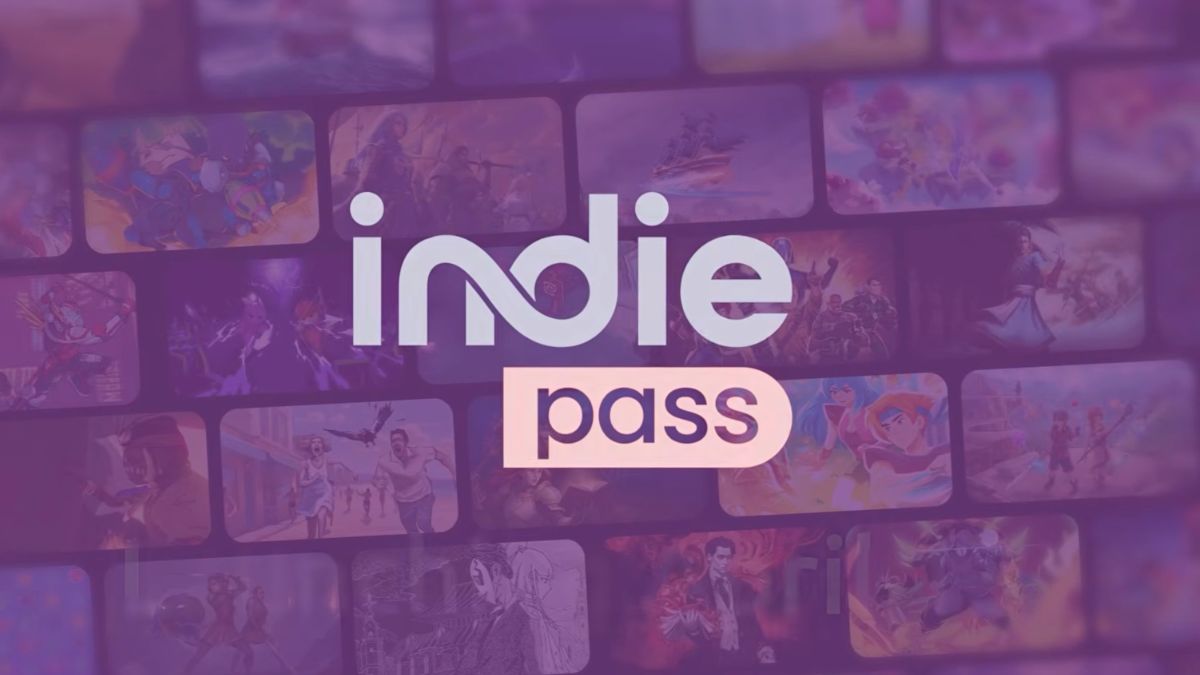
Now, indie.io is trying to bring the same model to indie games with the launch of Indie Pass. The idea is to offer a low-cost subscription that gives players access to a library of indie titles. But the bigger question is whether this idea can actually work in today’s market.
Indie games are in a strong place right now. Over the past decade, they have gone from niche projects to mainstream success stories. Titles like Hades, Stardew Valley, and Celeste have proven that small teams can create games that compete with big-budget releases.
At the same time, the number of indie games being released every year has exploded. Platforms like Steam now see thousands of new games annually. In fact, recent data suggests that more than 10,000 games are released on Steam every year.
This creates a discovery problem. Most indie games struggle to get noticed. Marketing budgets are limited, and storefront algorithms often favor already popular titles. That’s another reason why we introduced Techlomedia Gaming, our gaming zone where you can discover games based on several factors you want.
Indie Pass is also trying to fill that gap. However, the solution is also a bit problematic. Because it comes in the form of yet another subscription.
Most users are already juggling multiple subscriptions. Streaming platforms, music services, cloud storage, and gaming subscriptions are all competing for the same monthly budget. Even within gaming, players already have options like Game Pass and PlayStation Plus. Adding another service, even at $6.99 (€5.99 / £4.99) per month, is not always an easy decision.
Also Read: Why Racing Games No Longer Dominate the Charts
Data from industry reports shows that users are becoming more selective. Many subscribe for a short period, play what they want, and then cancel. This behavior is becoming common, and Indie Pass will likely face the same pattern.
So while the price is attractive, the main challenge is long-term retention.
You should also not see Indie Pass as a smaller version of Game Pass. I believe it is different, and you also need to understand that. Game Pass is built around scale. You get a mix of AAA titles and indie games. So, it has an appeal for wider audience. Indie Pass is a focused service designed specifically for players who enjoy indie games.
There is a growing segment of players who prefer indie games because they offer fresh ideas and unique gameplay. These players are not always interested in big-budget titles. Since most Indie games are designed to be accessible, you also do not need a powerful gaming setup to enjoy these games. That’s another reason why Indie games have a big following.
Also read: Mac Is Finally Ready for Serious Gaming
If you look closely, you may find it very similar to Apple Arcade, which focuses on curated experiences rather than sheer volume.
Indie Pass is more important for developers than gamers. Most Indie developers face two major challenges: visibility and revenue. And I believe Indie Pass will surely help developers overcome these challenges.
Getting noticed on crowded platforms is difficult. Even if a game is good, it can easily get lost among thousands of releases. A curated subscription service can solve this by putting games directly in front of an interested audience. Indie developers often rely on initial sales, which can be unpredictable. A subscription model can provide a more stable income through deals with the platform.
When you look at the revenue model announced by indie.io, it confirms that the company has used developers first approach. Developers do not have to remove their games from Steam or other storefronts to be part of the Pass. This removes the “sales cannibalization” risk.
Revenue is also distributed based on actual player time spent in a game. It will create a data-driven income stream for small studios. The platform already has a network of 10 million monthly users, so it would act as a massive discovery engine.
Also Read: Do We Still Need Consoles?
This is similar to how Game Pass has helped some developers reach a wider audience. Several studios have reported increased visibility and player engagement after joining subscription services.
This isn’t true for every indie developer. Some worry that subscriptions eat into their sales. If a game is available on a subscription service, players might not buy it separately. This can hurt the developer’s income over time.
So, the balance between exposure and earnings will be critical for Indie Pass.
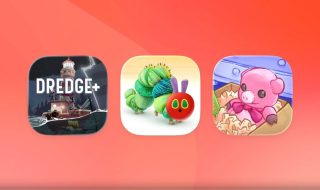
At launch, Indie Pass is expected to offer over 70 games, including Echoes of the Plum Grove, Coromon, Dark Deity, and HumanitZ. That sounds impressive, but numbers alone do not guarantee success. They will have to focus on the quality of games and gaming experience. If the library includes games that players actually want to play, the service can succeed. But if it is filled with lesser-known or average titles, users may lose interest quickly. This is why the curation is important.
A smaller, high-quality library is often better than a large but inconsistent one. Players need to trust that the platform is offering good games.
Xbox Game Pass is successful because it has managed to do well by mixing big titles with carefully selected indie games. Indie Pass will need to build that same trust.
At $6.99 (€5.99 / £4.99) per month, Indie Pass is affordable. This pricing makes it easier for players to try the service without much hesitation. It also positions the platform as a low-risk option compared to more expensive subscriptions. However, the company will have to show gamers that they are getting value to what they are paying for. This means the platform needs to keep adding interesting games regularly.
Steam is still a big roadblock for it. Steam dominates the PC gaming market. It offers frequent discounts, bundles, and a massive library. Many indie games are already available at low prices during sales. So, many gamers will prefer buying games during sales, rather than paying for a subscription. For some players, ownership still matters. Buying a game means you can play it anytime without worrying about subscriptions.
However, for players who enjoy trying many games, a subscription can still make sense.
Another interesting angle is compatibility with devices like the Steam Deck. Indie games are perfect for handheld gaming. They are usually less demanding and work well in short sessions. If Indie Pass works smoothly on the Steam Deck, it could attract a dedicated audience. This could be an important growth area for the platform.
Since it requires a standalone launcher, getting Indie Pass to run smoothly on the Steam Deck may require users to switch to Desktop Mode or use third-party compatibility layers. For many gamers, this extra step could be a significant barrier to entry.
What Could Make Indie Pass Succeed
For Indie Pass to succeed, a few things need to go right. The library needs to stay strong. Regular updates with quality games are essential. Developer partnerships are also important. The platform needs to attract good studios and offer them fair deals. User experience is also very important. The platform should make it easy to discover and play games. If these elements come together, Indie Pass could build a loyal user base.
There are also clear risks.
If the platform fails to attract strong titles, users may not see enough value. If developers do not benefit financially, they may choose other platforms. And most importantly, if subscription fatigue continues to grow, even a good service may struggle to retain users.
Indie Pass is an interesting and ambitious idea. It is trying to solve a real problem in the gaming industry by giving indie games a dedicated platform. The concept makes sense, and the pricing is also attractive. I also feel that the timing is right.
Now it comes down to execution. If Indie Pass can deliver a strong, curated library and create value for both players and developers, it has a real chance. If not, it may end up as just another subscription that people try once and forget.
For now, it is a wait-and-watch situation. But Indie Pass is worth paying attention to.
Read: Positive effects of playing video games