

The Unique Identification Authority of India has launched its first structured bug bounty program to improve the security of the Aadhaar ecosystem. This is an important step, considering Aadhaar is one of the largest identity systems in the world and handles sensitive data of millions of users.
Under this program, UIDAI is inviting ethical hackers and security researchers to find vulnerabilities in its systems and report them responsibly. The goal is to identify weaknesses before attackers can exploit them.
For the initial phase, UIDAI has selected a group of 20 experienced cybersecurity researchers. These are not open public participants yet. The program is currently controlled and limited to a trusted panel with proven expertise.
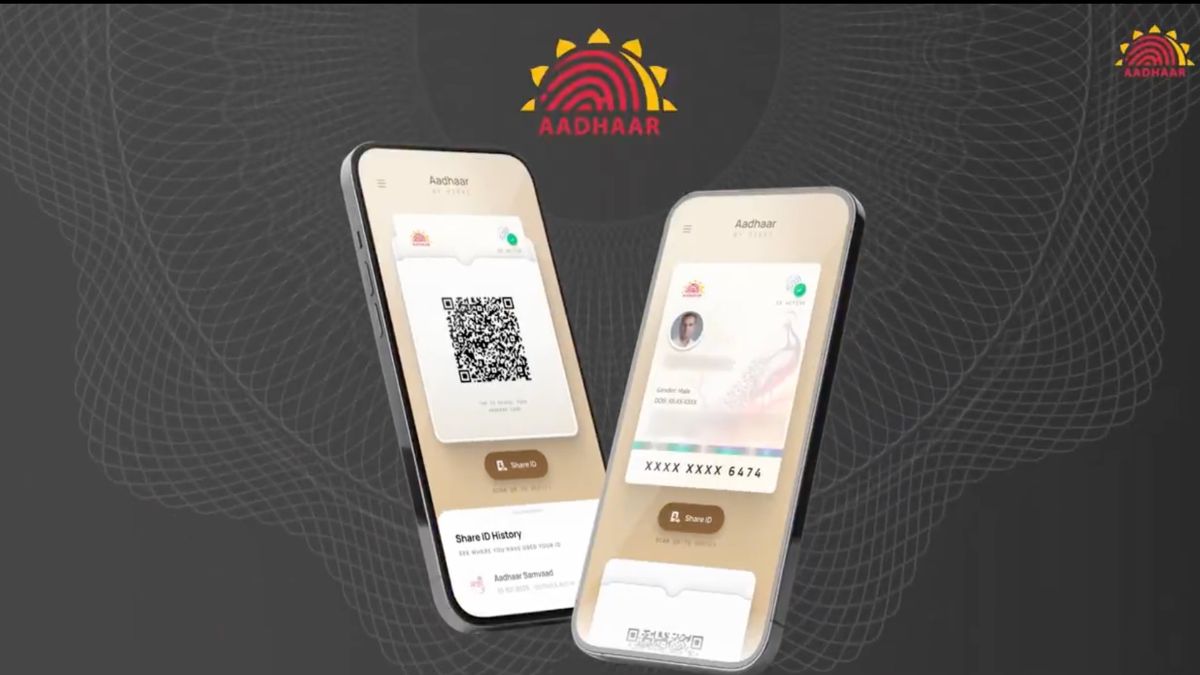
The researchers will focus on three key platforms. These include the official UIDAI website, the myAadhaar portal, and the Secure QR Code application. These are widely used services where users interact directly with Aadhaar for updates, authentication, and verification.
From a security point of view, this is the right place to start. These platforms handle high traffic and are exposed to the internet, which makes them more likely targets for attackers.
The researchers will test these systems for issues like authentication bypass, API weaknesses, and possible data exposure. If they find a valid issue, they need to report it through proper channels. UIDAI will then review and classify the vulnerability based on its severity.
The program follows a structured reward system. Bugs are categorized as Critical, High, Medium, or Low. Researchers will be paid based on how serious the issue is. This is a standard approach used by global tech companies to encourage deeper and more meaningful research.
Read: How to Change Mobile Number in Aadhaar?
To manage this program, UIDAI has partnered with ComOlho IT Private Limited. The company will help in validating reports, managing communication, and ensuring the process runs smoothly between researchers and UIDAI’s internal teams.
It is important to note that UIDAI already runs regular security audits, monitoring, and testing. But those are mostly internal or automated processes. Bringing in external researchers adds a different perspective.
I also believe that bug bounty program is a great way to find issues that internal teams miss. External researchers think differently. They test systems in ways that real attackers would. That is why companies like Google, Microsoft, and Meta rely heavily on such programs.
Also read: How to download E-Aadhar
But it is also good to see that UIDAI is taking a cautious approach. Instead of opening it to everyone, it has started with a small, controlled group. This helps reduce risks while still getting the benefits of external testing.
It also shows a big change in how government systems in India are approaching cybersecurity. Earlier, most focus was on compliance and internal checks. Now there is more acceptance that real-world testing from independent researchers is necessary.
Aadhaar has often been in discussions around privacy and data security. We have seen several incidents of Aadhaar data leaks. Programs like this can help build more trust if executed properly.
In coming months, UIDAI may expand this program to include more researchers or even open it to the public. That is how most mature bug bounty programs evolve.