
Video-to-video AI is becoming a practical tool for creators. It is not trying to replace editing, but it is clearly reducing the time needed to make content usable. From what I have seen, most creators do not struggle with ideas. They struggle with finishing and publishing consistently. That is where tools like Pollo AI start to make sense.
Short-form video is now driving discovery. Instagram Reels and YouTube Shorts reward content that gets attention quickly. It is not just about followers anymore. Even small creators can get reach if the content works. But that also means the bar for visuals is higher. If a video looks basic, people scroll past it.
For musicians, timing matters even more. I have seen smaller artists miss momentum just because they did not have enough content ready when a track started getting attention. By the time they started posting, the hype was already fading.
Why This Is Happening Now
The shift towards video has been clear for a while. Most platforms are pushing short-form content heavily. Video already makes up a major share of internet traffic, and short videos are growing the fastest.
At the same time, creators are under pressure to post more often. In many cases, posting multiple times a week is now normal just to stay visible. For solo creators, that is not easy to manage.
Traditional editing does not fit this pace. Even a short clip can take a lot of time if you are doing everything manually. I have worked with basic editing workflows, and even small changes can slow things down. That is one reason many creators delay posting or drop ideas completely.
Video-to-video AI helps here. It improves what you already have instead of forcing you to start from scratch.
The Real Problem: Content Exists, But It Is Not Ready
In most cases, creators already have enough raw content. I have seen this again and again, especially with music creators. It could be a studio session, a rough performance clip, or a simple phone recording. The problem is not content. It is presentation.
Most of this footage is not ready to post as it is. It feels incomplete.
Common examples I have seen:
- short studio clips that lack visual depth
- live recordings with uneven lighting
- selfie-style videos that feel flat
- teaser clips that do not hold attention
These clips are useful, but they need some level of polish to work on fast platforms. Without that, they get ignored.
This is where video-to-video AI tools help in a practical way. They remove the extra steps between recording and publishing.
Where Pollo AI Actually Helps
Pollo AI works because it fits into how creators already work. Most people are not making full music videos regularly. They are creating short clips to support releases and stay active. I have seen creators reuse the same footage in different ways just to keep posting.
With tools like this, that process becomes easier. You can take one clip and turn it into multiple usable pieces without spending hours on each version.
It also helps improve low-quality footage. That matters because a lot of content is recorded quickly on phones or in less-than-perfect conditions.
Why Lyric Content Still Works
Lyric videos are still one of the easiest formats that work. This has not changed. I have seen smaller artists get steady engagement just by posting lyric-based visuals regularly. It gives the audience something to connect with, especially when the song is new.
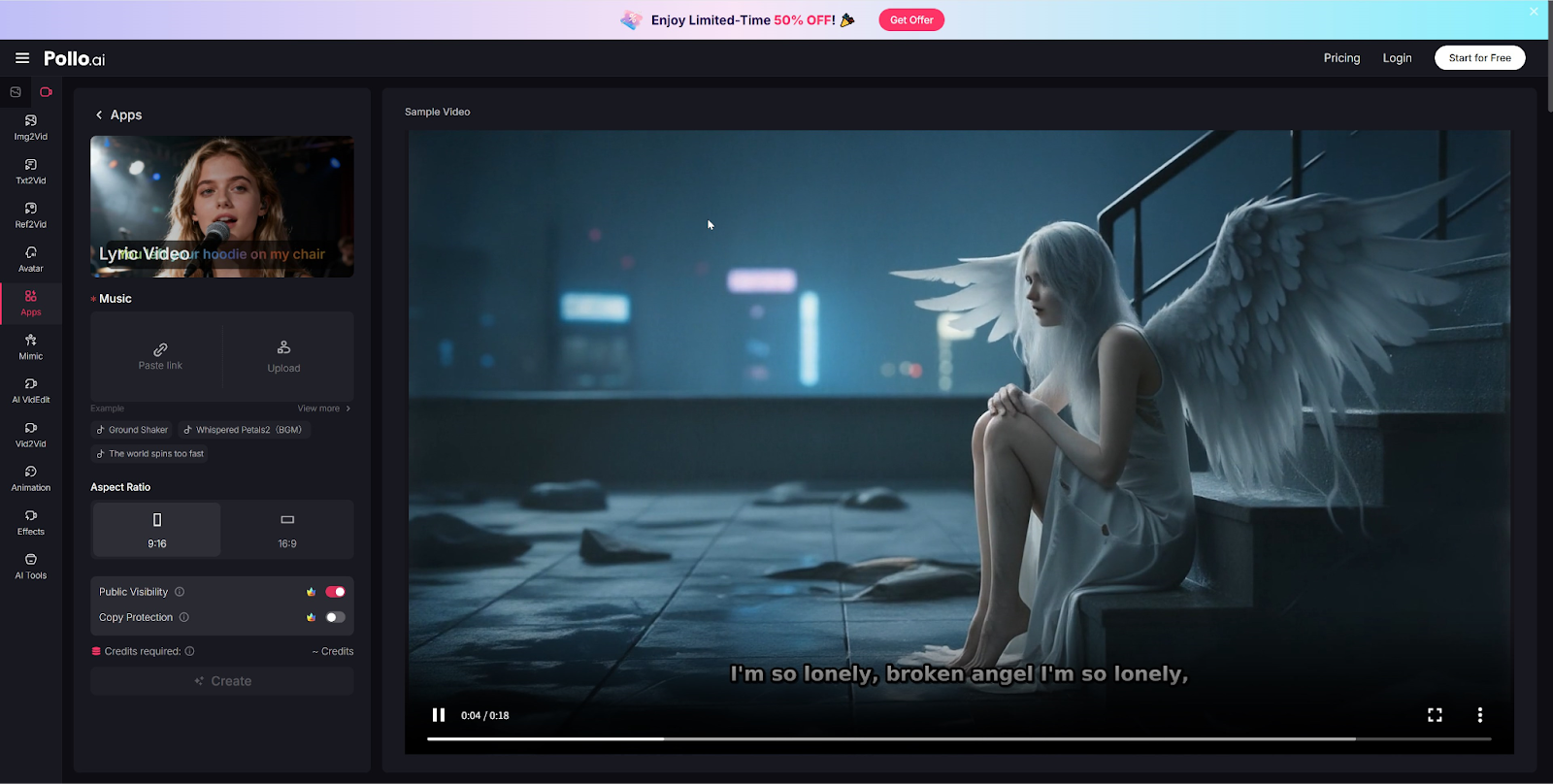
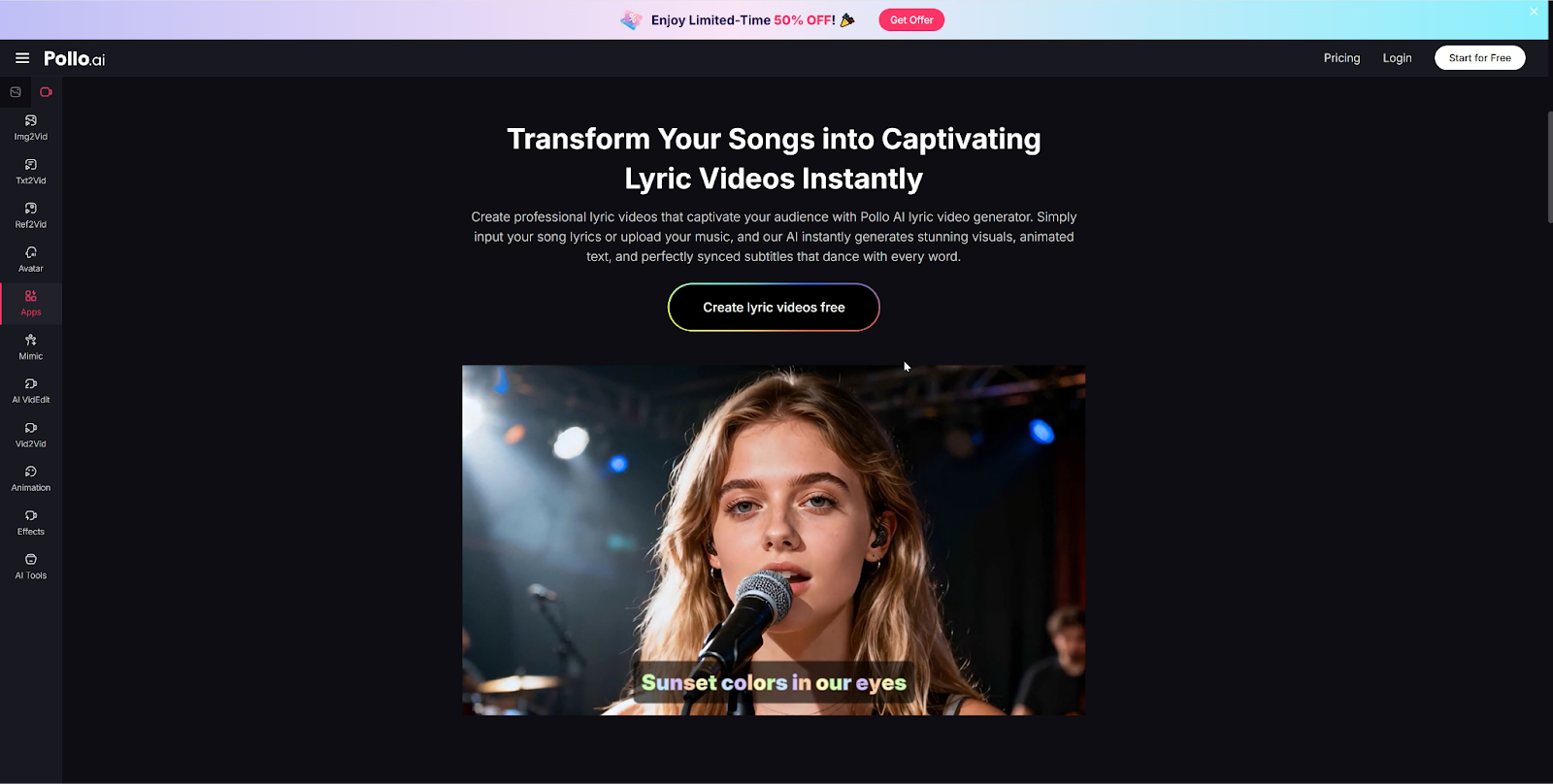
Now, tools like an AI lyrics video generator make this even easier. Instead of treating lyric videos as an extra task, creators can quickly turn them into regular content. This helps maintain consistency without adding too much workload.
The Bigger Change: Workflow Over Perfection
The biggest change is how creators think about content. Earlier, the focus was on making one perfect video. Now it is about consistency. Posting regularly matters more than spending days on one clip.
Creators are now thinking in simple terms:
- How fast can I publish this
- Can I reuse this content
- Can I keep posting without burning out
AI tools are growing because they answer these questions.
From what I have seen, creators often get better results by posting more consistently rather than trying to perfect every video.
Why This Matches Current Creator Behavior
Creators today are practical and focus more on being part of trends. If a tool takes too long, they stop using it. If it saves time, it becomes part of their routine.
Pollo AI fits in that middle layer. It does not replace editing tools, but it helps speed up the process between recording and publishing.
For music creators, this is important. Trends move fast. If you cannot post content while a song is getting attention, you lose that opportunity.
There is also burnout. Managing multiple platforms and editing content regularly is not easy. I have seen creators slow down not because they lack ideas, but because the process becomes too heavy.
Any tool that reduces that load without hurting quality becomes useful.
Final Thoughts
Video-to-video AI is no longer just an experiment. It has now evolved to become part of how creators work. From what I have seen, its biggest value is not just better visuals, but a faster workflow. It helps creators publish more often and respond quickly to trends.
For musicians and content creators, that makes a real difference. Less time spent editing means more time sharing content and building momentum.