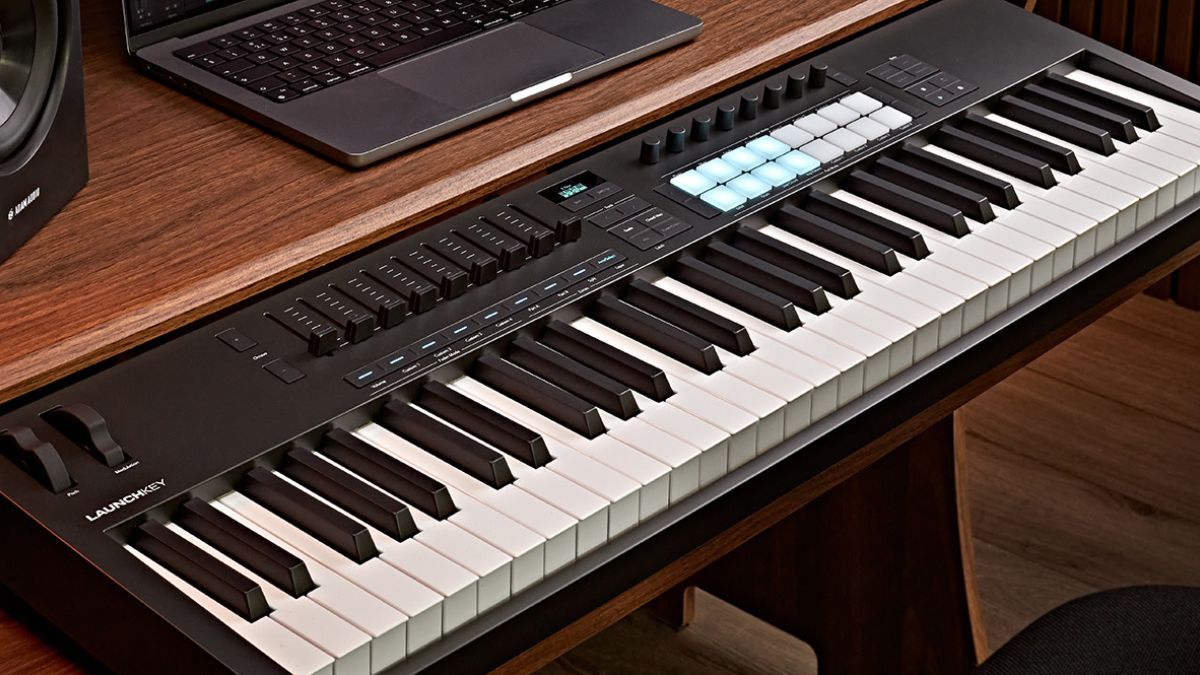

Microsoft has finally brought native MIDI 2.0 support to Windows 11. This is a big update for musicians, producers, and audio creators who rely on electronic instruments and digital audio tools.
MIDI, short for Musical Instrument Digital Interface, has been around since 1983. It is a core protocol that lets electronic instruments, computers, and music software talk to each other. While it has been widely used for decades, support on Windows has remained limited. With this update, Microsoft is taking music production more seriously on Windows 11.
MIDI 2.0 was first introduced in 2020. It brings several major improvements over MIDI 1.0. These include two-way communication between devices, automatic device discovery and setup, faster data speeds, higher resolution controllers, per-note articulation, and self-describing devices. These upgrades give musicians more precision and better control over their instruments and software.
Microsoft understands the importance of backward compatibility. Many studios and artists still use hardware and software built around MIDI 1.0. To address this, the company has introduced a new Windows MIDI Services stack. This stack modernizes MIDI 1.0 while also adding full support for MIDI 2.0. Both versions now work together natively in Windows 11.
Microsoft has already started previewing the new MIDI infrastructure in Windows 11 Canary build 27788, which began rolling out recently. This gives early testers a chance to explore the new capabilities before a wider release.
It also offers multi-client support. Multiple apps can now use the same MIDI port or device at the same time. Earlier, users often had to depend on vendor-specific drivers to achieve this. With the new system, that is no longer required.
MIDI 1.0 also gets improvements. Port names are now clearer, and endpoints include additional metadata. Users will be able to manage and configure everything through a new MIDI Settings app, which will soon be available as an optional download.
The new Windows MIDI stack also brings built-in loopback and app-to-app MIDI connections. It allows automatic translation and scaling between MIDI 1.0 and MIDI 2.0 devices. Users can expect tighter message timing with timestamps and scheduled messages. There is also a new USB class driver that supports both MIDI 1.0 and MIDI 2.0 devices. Developers get access to tools and MIDI scripting as well.




![Mivi DuoPods Vibe Earbuds [New Launch], 60 Hours Playtime, AI-ENC for HD Calls, 13mm Drivers, IPX 4.0, BT v5.3, Made in India True Wireless Bluetooth Ear Buds](https://m.media-amazon.com/images/I/41t+S6k05XL._SL160_.jpg)