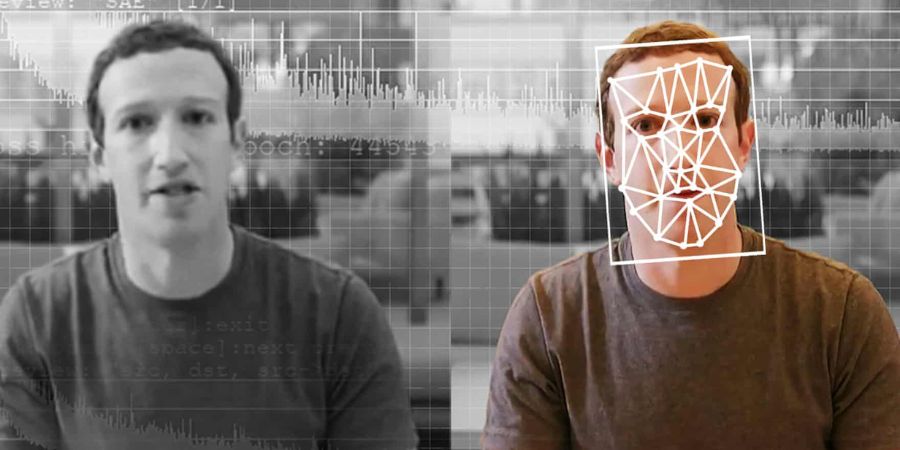

India has introduced stricter rules to deal with deepfakes and AI-generated impersonation content on social media. The government now wants platforms to remove such content much faster and take stronger responsibility for how synthetic media spreads online.
The updated rules shorten takedown timelines sharply. Social media platforms now have just three hours to act on official government orders. In urgent cases reported by users, the deadline can be as short as two hours. These changes are part of amendments to India’s IT Rules, first introduced in 2021.
For the first time, deepfakes are clearly defined under a legal framework in India. Platforms that allow audio or video uploads must ensure that AI-generated content is properly labeled. They must also make such content traceable so its source can be identified later. This applies to synthetic voices, edited videos, and other forms of AI-generated media that can look or sound real.
The rules also ban certain types of content completely. This includes fake impersonation meant to mislead, non-consensual intimate content, and synthetic media linked to serious crimes. If platforms fail to act after such content is flagged, they risk losing their legal protections under Indian law.
This move comes at a time when deepfakes are becoming easier to create and harder to detect. A recent example is the Payal Gaming issue, where fake or manipulated content circulated online and caused confusion and harassment. While not every deepfake is created with harmful intent, such cases show how quickly things can spiral out of control once misleading content goes viral.
Many people today use AI tools for harmless reasons. These include fun videos, voice filters, memes, or creative social media posts. The problem begins when the same tools are used to impersonate real people, damage reputations, spread false information, or target individuals with harassment. Once shared widely, such content can cause real-world harm within hours.
Also Read: How to Spot the Deepfakes Videos
India’s large and young internet population makes the situation more sensitive. With over a billion users online, platforms like YouTube, Instagram, Facebook, and X play a major role in shaping public conversations. The government believes faster action is needed to stop harmful content before it spreads too far.
Legal experts say the rules bring clarity but also raise questions. Some argue that forcing platforms to act within two or three hours leaves little room for careful human review. This could push companies to rely more on automated systems, which may remove content too aggressively.
Digital rights groups have also warned that short deadlines could increase censorship and affect free speech. When platforms are under pressure to act quickly, they may remove content first and review it later. This could impact creators whose content is legitimate but flagged wrongly.
At the same time, the rules send a strong signal that deepfakes are no longer a grey area. Platforms are expected to invest in better detection tools and stronger moderation systems. Companies that fail to comply could face legal consequences in one of their most important markets.
There is also a responsibility on users. Technology alone cannot solve the deepfake problem. People need to think before sharing AI-generated content, especially when it involves real individuals. Even sharing a fake video as a joke can amplify harm once it reaches a wider audience.
The new rules will come into effect on February 20, which gives platforms very little time to adjust. The timing is notable, as India is also hosting the AI Impact Summit in New Delhi during the same week. This places India at the center of global discussions on how artificial intelligence should be regulated.