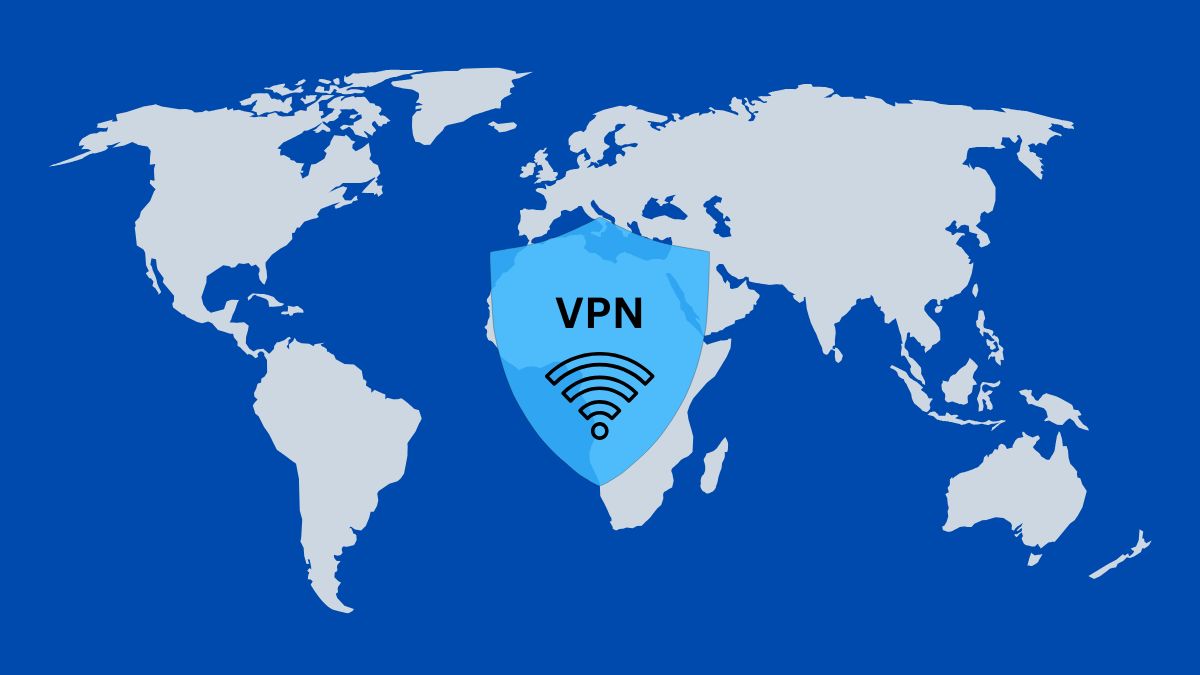

Surfshark has announced that it is rolling out post-quantum encryption, also known as PQE, across its VPN apps. Post-quantum encryption is being added to Surfshark’s WireGuard protocol, which is the company’s main VPN protocol. The feature is currently available on Android, Mac, and Linux apps. Surfshark has confirmed that iOS and Windows support will arrive in the near future.
Quantum computing is advancing fast, and experts believe it could one day break the encryption methods used today. While current encryption is still safe, many companies are starting to prepare early. Surfshark’s decision shows that it is choosing to strengthen its security now rather than wait.
Also see:
WireGuard does not support post-quantum encryption by default. To address this, Surfshark has made changes to how the protocol works. According to the company, WireGuard has been made quantum secure by using it together with a Pre Shared Key, also known as PSK.
Donatas Budvytis, Chief Technology Officer at Surfshark, said quantum computing poses a real risk to today’s encryption systems. He explained that while quantum computers are currently limited, they could soon become powerful enough to compromise existing security methods. He added that building encryption that can withstand quantum attacks is essential, especially for cybersecurity companies.
Surfshark is not alone in adopting post-quantum encryption. In August, ExpressVPN announced support for post-quantum WireGuard and urged other VPN providers to follow. ExpressVPN became fully quantum secure across all platforms in January 2025, starting with its Lightway protocol and later adding WireGuard.
NordVPN has also implemented post-quantum encryption, first on Linux, and later expanded it across platforms by May 2025 through its NordLynx protocol. Mullvad and Windscribe also support PQE. However, services like Proton VPN, Private Internet Access, CyberGhost, and IPVanish have not yet rolled it out, although some are working on it.
The need for post-quantum encryption is linked to what experts call Q Day, the point when quantum computers can break current encryption standards. While opinions differ on when this will happen, there is concern about “harvest now, decrypt later” attacks. In such attacks, encrypted data is stolen today and stored until quantum computers are powerful enough to decrypt it.