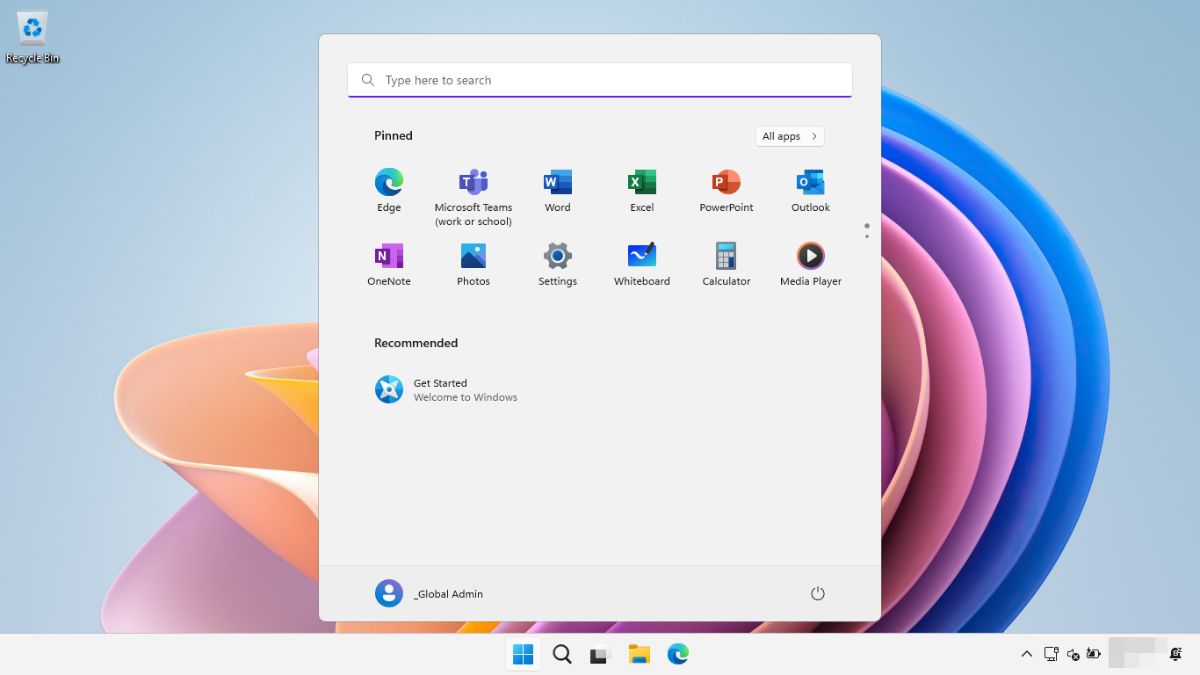

Microsoft is officially shutting down Windows 11 SE, its lightweight operating system designed to compete with ChromeOS. Support for Windows 11 SE will end in October 2026, and that includes all software updates, security patches, and technical assistance.
When Microsoft introduced Windows 11 SE back in 2021, it was clearly aimed at schools and students. a market dominated by Chromebooks. The idea made sense. Google had already taken over classrooms with affordable laptops and a cloud-first approach. Microsoft wanted a slice of that pie with a simplified Windows experience. But clearly, the plan did not work.
Windows 11 SE launched alongside the Surface Laptop SE, a budget-friendly device tailored for students. Other manufacturers also released low-cost laptops with Windows 11 SE, but they never caught on like Chromebooks did. Most people probably did not even know this version of Windows existed. That says a lot.
It is not like this was Microsoft’s first attempt either. The company has tried this before. Remember Windows 10 S? That was another “streamlined” version that limited apps to the Microsoft Store. It failed too, and now survives quietly as “S Mode” in Windows 11. Then there was Windows 10X, a version built for dual-screen devices. That one never even made it to market.
To be fair, Windows 11 SE was probably the most polished of all these failed experiments. But maybe that is the problem. Microsoft keeps building limited versions of Windows, but users just want the full version—or they go for something entirely different, like ChromeOS.
Now that Microsoft is pulling the plug, users of Windows 11 SE devices can still keep using them. But the company recommends switching to another edition of Windows 11 to stay protected and updated.
This move shows that Microsoft still struggles to understand the education market the way Google does. ChromeOS works because it is fast, simple, cloud-based, and cheap. Microsoft keeps trying to shrink Windows down, but it never quite fits into that space.
Maybe the real issue is that Windows was never designed to be minimal. It is powerful, flexible, and great for productivity—but stripping it down always feels like forcing a square peg into a round hole. Instead of cutting features, perhaps Microsoft should have gone the other way and offered unique benefits that ChromeOS could not match—like better offline tools or deeper integration with Office.
It is also worth asking: Is Microsoft done with the idea of a “lite” Windows for good? Or will we see another version, rebranded and rebooted, with a new pitch?