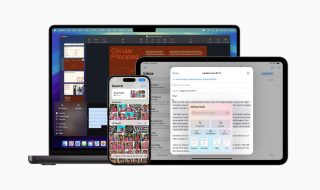


AirDrop is one of the most notable features of the Apple Ecosystem. The feature is available on Apple devices and allows users to wirelessly share photos, videos, files, and more between Apple devices including iPhones, iPads, and Macs. Airdrop works smoothly and provides a fast data transfer. However, the feature sometimes runs into issues and makes it frustrating for users. If you are experiencing problems with AirDrop and cannot send or receive files using this file transfer service, don’t worry. In this detailed guide, I will help you troubleshoot and fix common AirDrop problems.
Common Reasons Why AirDrop May Not Work
AirDrop is compatible with iOS devices running iOS 7 or later and Macs with OS X Yosemite or later. I don’t think anyone now has devices running that old incompatible software. So, we will first understand the basic reasons why AirDrop may not work.
- Bluetooth and Wi-Fi: AirDrop requires both Bluetooth and Wi-Fi connection. So, make sure both Bluetooth and Wi-Fi are enabled on both devices.
- Distance and Interference: AirDrop works best when devices are within 30 feet of each other. So, make sure both the devices are close to each other. Interference from walls, metal objects, or other electronic devices can affect the connection.
- AirDrop Settings: AirDrop also has privacy settings. It can be set to receive files from contacts only or from everyone. If you are trying to send or receive files from a device that isn’t in your Contact, make sure you have set AirDrop to receive files from everyone.
Step-by-Step Troubleshooting Guide
1. Enable Bluetooth and Wi-Fi
Both Bluetooth and Wi-Fi need to be turned on for AirDrop to function.
- iOS or iPadOS Devices: Open the Control Center and ensure both Bluetooth and Wi-Fi are on. For this, swipe down from the upper-right corner (iPhone X or later) or up from the bottom (iPhone 8 or earlier) to access the Control Center.
- Mac: On Mac, click the Bluetooth and Wi-Fi icons in the menu bar and turn them on if they aren’t already.
2. Adjust AirDrop Settings
AirDrop can be set to receive files from contacts only or from everyone.
- iOS and iPadOS Devices: Open Settings > General > AirDrop and choose either Contacts Only or Everyone.
- Mac: Open Finder and click Go > AirDrop from the menu bar. Select Allow me to be discovered by and choose Contacts Only or Everyone for 10 Minutes.
3. Make Sure Devices Are Close and Remove Interference
AirDrop works best when devices are within 30 feet of each other. So, make sure both the devices are close to each other. Remove any potential interference such as walls, metal objects, or other electronic devices that may disrupt the connection.
4. Disable Personal Hotspot
If you are using personal hotspot on your phone, AirDrop won’t work. So, you need to turn off the Personal Hotspot before using AirDrop. But turning off Personal Hotspot will also block internet connection of connected devices. So, make sure turning off Personal Hotspot won’t interrupt any important work.
5. Restart Devices
In most cases, Restarting your devices can resolve many connectivity issues.
- iOS or iPadOS Devices: Press and hold the power button and swipe to turn off. Turn it back on by pressing the power button again.
- Mac: Click the Apple logo and select Restart.
6. Check Do Not Disturb and Airplane Mode
Ensure that Do Not Disturb and Airplane Mode are turned off. These are turned on, Bluetooth and Wi-Fi will automatically be turned off and this can interfere with AirDrop.
- iOS Devices: Open Settings and ensure Do Not Disturb and Airplane Mode are turned off.
- Mac: Click the notification center icon in the upper-right corner and ensure Do Not Disturb is off.
7. Reset Network Settings
If AirDrop is still not working, you may need to reset your network settings. This will remove saved Wi-Fi networks and passwords. But follow this step only if you have Wi-Fi password to reconnect.
- iOS Devices: Open Settings > General > Reset > Reset Network Settings.
- Mac: Open System Preferences > Network. Select your Wi-Fi network and click the minus (-) button to remove it. Re-add the network by clicking the plus (+) button and reconnect.
8. Log Out and Back Into iCloud
Sometimes, logging out from iCloud and login again into iCloud can resolve AirDrop issues.
- iOS Devices: Open Settings > [Your Name] > Sign Out. Sign back in by following the prompts.
- Mac: Open System Preferences > Apple ID > Overview > Sign Out. Sign back in by following the prompts.
9. Update Device Names
Ensure your devices have unique names to avoid confusion during AirDrop transfers.
- iOS or iPadOS Devices: Open Settings > General > About > Name and change the name if necessary.
- Mac: Open System Preferences > Sharing and update the Computer Name.
10. Turn off the VPN
If you are using VPN on one of the devices, it could also be the reason AirDrop isn’t working. Make sure you disconnect the VPN before transferring files using AirDrop.
- iOS or iPadOS Devices: Open Settings > VPN. If you don’t see this option, Go to Settings > General > VPN and Device Management. Here’ tap VPN and turn it off.
- Mac: Open System Preferences, and click on Network. Fine and select your active VPN connection from the list.
Advanced Troubleshooting
If you have followed all the steps above and AirDrop still isn’t working, you can try some advanced troubleshooting methods.
- Reset Bluetooth and Wi-Fi Modules: On a Mac, you can reset Bluetooth and Wi-Fi modules through the Terminal. This is a more advanced step and should be done with caution. If you do something wrong, it can create more problems.
- Check Firewall Settings: Check if your Mac’s firewall settings are not blocking incoming connections. Open System Preferences > Security & Privacy > Firewall and adjust settings if necessary.
- Contact Apple Support: If all else fails, You can contact Apple Support for troubleshooting. Alternatively, you can also visit an Apple Store for help.
Conclusion
AirDrop is an impressive software feature of Apple devices for sharing files between iPhone, Mac, and iPad, but it can sometimes show issues in connection. By following this detailed guide, you can troubleshoot and fix common AirDrop problems on your Apple device. Ensure your devices are compatible, Bluetooth and Wi-Fi are enabled, and AirDrop settings are correctly configured. If you follow the given steps, you should be able to get AirDrop working smoothly again.
Also read
- How to Hide apps on iPhone or iPad
- What is Dial Assist in iPhone
- What is Safe Mode in Mac and How to Boot Mac in Safe Mode?