
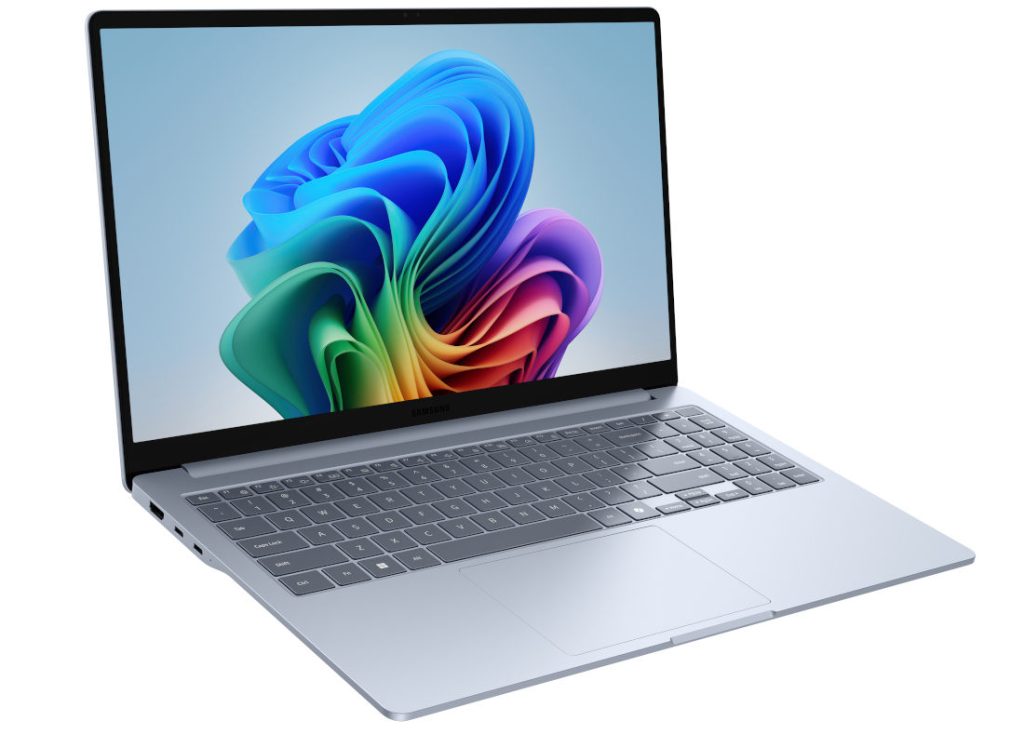

A new Windows 11 bug is creating serious trouble for some PC users. Several reports suggest that certain systems suddenly lose access to the main system drive after installing a recent security update. The issue is particularly affecting Samsung laptops, especially devices from the Galaxy Book series.
Microsoft has acknowledged the problem and says it is currently investigating the root cause with Samsung. For affected users, the bug can make the computer partially unusable because the operating system suddenly denies access to the C drive, which stores Windows and most installed applications.
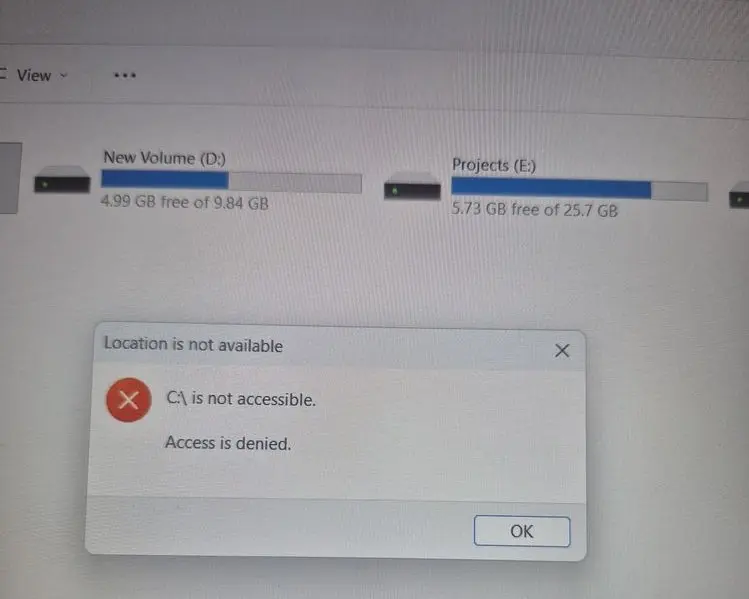
Users encountering the bug see an error message that reads: “C:\ is not accessible – Access denied.” When this happens, Windows suddenly blocks access to the system drive. This means files, installed programs, and many system utilities cannot run normally.
The problem appears after installing the February 2026 security update for Windows 11, known as KB5077181. This update was released on February 10 as part of Microsoft’s monthly Patch Tuesday cycle. It applies to Windows 11 versions 24H2 and 25H2.
Once triggered, the issue can surface during normal activities such as opening files, launching apps, or performing administrative tasks. Because most software relies on files stored on the C drive, affected systems may fail to launch everyday applications like browsers, Office tools, or even some Windows utilities.
Early reports suggest that the issue is seen mostly on Samsung consumer devices, particularly laptops from the Galaxy Book lineup. Some cases have been reported in countries such as India, Brazil, Portugal, and South Korea.
Initial investigations indicate the problem could be linked to certain Samsung utilities preinstalled on these devices. One suspected component is a Samsung sharing application that interacts with system permissions. However, Microsoft has not confirmed the exact root cause yet.
This may explain why the issue is affecting a specific group of devices rather than all Windows 11 PCs.
At first, the error message may seem like a simple permission problem. In reality, it can cripple the system. Since the operating system itself runs from the C drive, losing access to it breaks many basic functions. Users may not be able to open apps, install or remove updates, or even run certain administrative commands.
The situation unfolded gradually over the past few weeks. In early February 2026, Microsoft released the Patch Tuesday security update KB5077181 for Windows 11. The update included various security fixes and system improvements. Soon after the rollout, users began reporting different types of problems with the update. Some experienced installation failures, networking issues, or boot problems.
By mid March, a more serious issue began appearing on some Samsung systems, where the C drive suddenly became inaccessible. Reports started appearing on forums and support pages, prompting Microsoft to begin investigating the problem.
There is currently no official fix for the issue.
Some users online suggest manually changing ownership permissions of the entire system drive. However, this approach can weaken Windows security protections and may introduce additional risks.
A safer workaround is rolling back the February update through the Windows Update settings if the system still allows it. Users who have not installed the update yet may also consider temporarily pausing updates until Microsoft releases a fix.
This incident again highlights the challenge of maintaining compatibility across the vast Windows hardware ecosystem. Unlike tightly controlled platforms such as macOS, Windows runs on thousands of device combinations with vendor-specific drivers and utilities.
When those vendor tools interact with system-level permissions, even a small update can create unpredictable side effects.