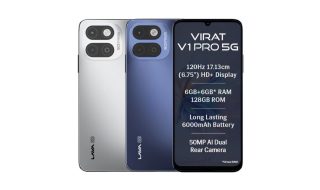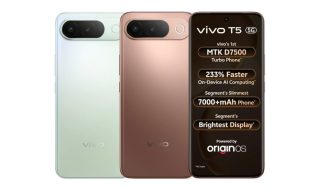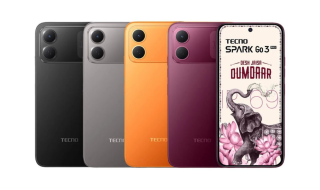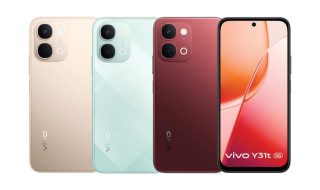
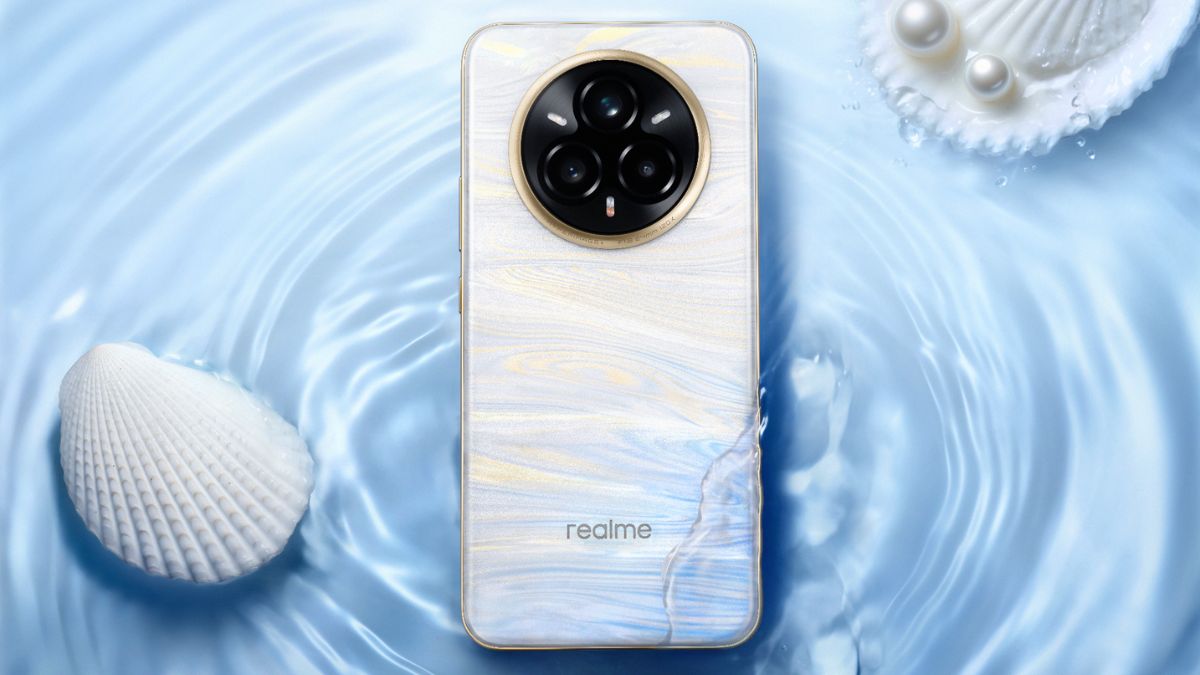

Smartphone companies love to talk a lot about design. Every launch today comes with words like premium finish and unique texture. Some companies, like Oppo, realme, Infinix, itel, and Vivo, went a step ahead and launched phones with color-shifting glasses. And honestly, some of it does look good and really exciting. Most phones now come with either frosted glass, vegan leather backs, or reflective gradients. These things show that phones are now turning into design objects as much as tech devices.
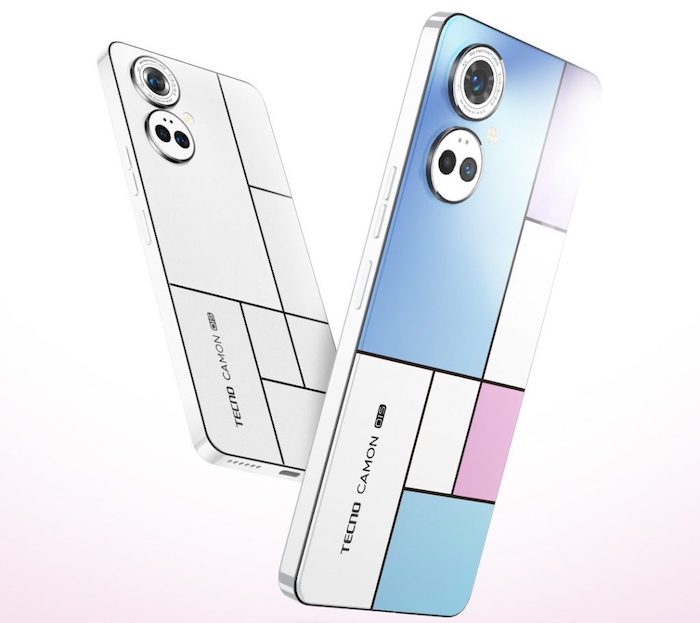
During the launches, they also flaunt the design a lot. Reviewers make videos around it to show us how beautiful the phone is. Design is one of the key considerations before buying a phone. But the excitement of buying a beautiful phone doesn’t last long.
Most people put a case on the phone the moment they buy it. And that changes everything.
Most smartphone cases are either bulky or purely functional. Even if you buy a clear case, it also hides the beauty of the phone. And hard cases make the phone look like a brick. These cases protect well, but completely erase the identity of the device. Once the case is on, the phone stops feeling like a designed product and starts feeling like a generic slab.
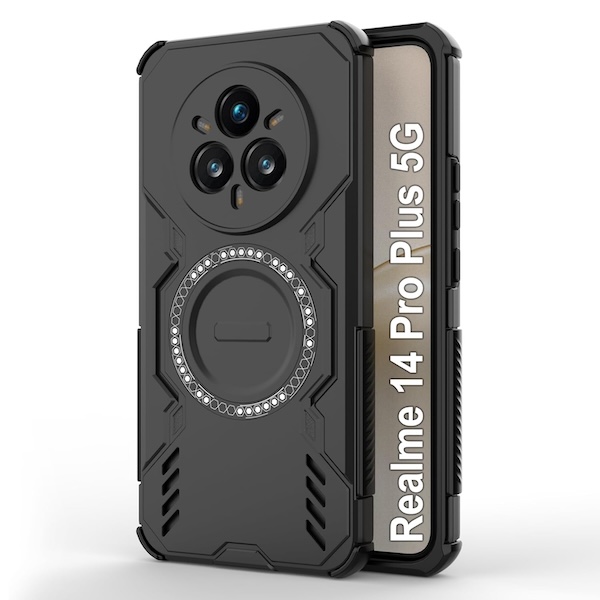
So what is left of all that design effort?
Not much, honestly.
This creates a strange gap. Companies are investing heavily in back panel design, but most users only experience it on day one. After that, it disappears under plastic or silicone forever.
Honestly, Customers are not at fault. Phones are expensive. Repairs are even more expensive. So protection always wins over design. Nobody wants a scratched glass back just for the sake of aesthetics. But the problem is not protection itself. The problem is that protection and design are not working together.
A recent survey from Techlomedia Gadgets shows this design paradox very clearly. Around 72% of users say design and looks matter a lot when they choose a smartphone. And about 15% of premium buyers are even ready to pay extra just for a specific color or finish. But the real twist comes after the purchase. Nearly 88% of users still end up putting a case on their phone, even if it completely hides the design they were excited about while buying it. It pretty much shows how smartphone design matters a lot at the time of buying, but slowly disappears from everyday use.
Apple is one example where even official or well-made third-party cases still keep the phone feeling premium. The fit is tight, the profile stays slim, and the device does not completely lose its identity.
In most other Android phones, the situation is not as refined. Either you get no case in the box, or you get a very basic one that is just there as a temporary solution. After that, users move to third-party cases, and those are almost always thick, generic, and designed only for protection.
My experience with the Moto Edge 50 Fusion was a bit more balanced. It came with a minimal case in the box. It was easy to use, not too bulky, and did not completely hide the phone. I could still see the design, still feel the device as it was meant to be seen. At the same time, it offered enough basic protection for everyday use. It was not perfect, but it was closer to the right idea.
But ASUS was the brand that actually thought about it. ASUS ROG Phone series offers a very distinct design language, especially with RGB lighting on the back. And Asus sold the device with a very minimal case that didn’t hide its beautiful design. The lighting can still be seen, and the phone still feels like a ROG device.
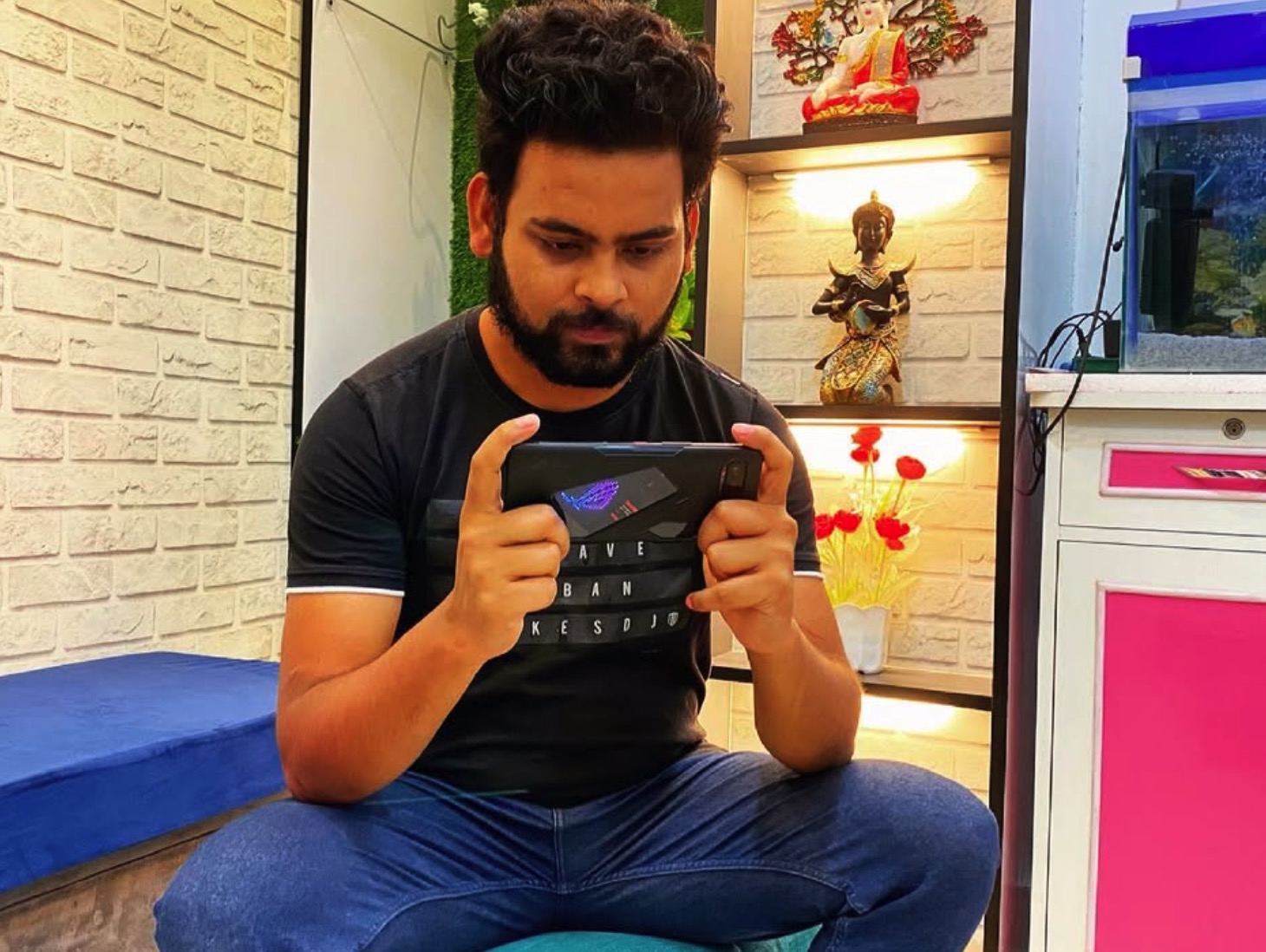
But no other brand thought about it. And that is where the real issue lies.
If companies are already investing in designing beautiful phones, why not extend that thinking to the case as well? A well-designed official minimal case could solve a lot of this problem. It could protect the device without completely hiding it. It could act more like a frame than a cover. Something that supports the design instead of killing it.
And there is another angle that companies often miss here. This is not just about protection or user experience. It is also about visibility and branding in daily life. If a phone still looks unique even with a case on, it starts to advertise itself naturally. People notice it in public. Friends notice it in hand. Conversations start around it without any effort from the brand.
We already have a clear example of how this works. The Nothing Phone, with its transparent back and Glyph lighting, became instantly recognizable. Even from a distance, even in a crowd, you could tell what it was. It built identity in a way most phones simply do not. It also sparked conversations. People asked about it not because of specs or benchmarks, but because it looked different in real life, not just in marketing.
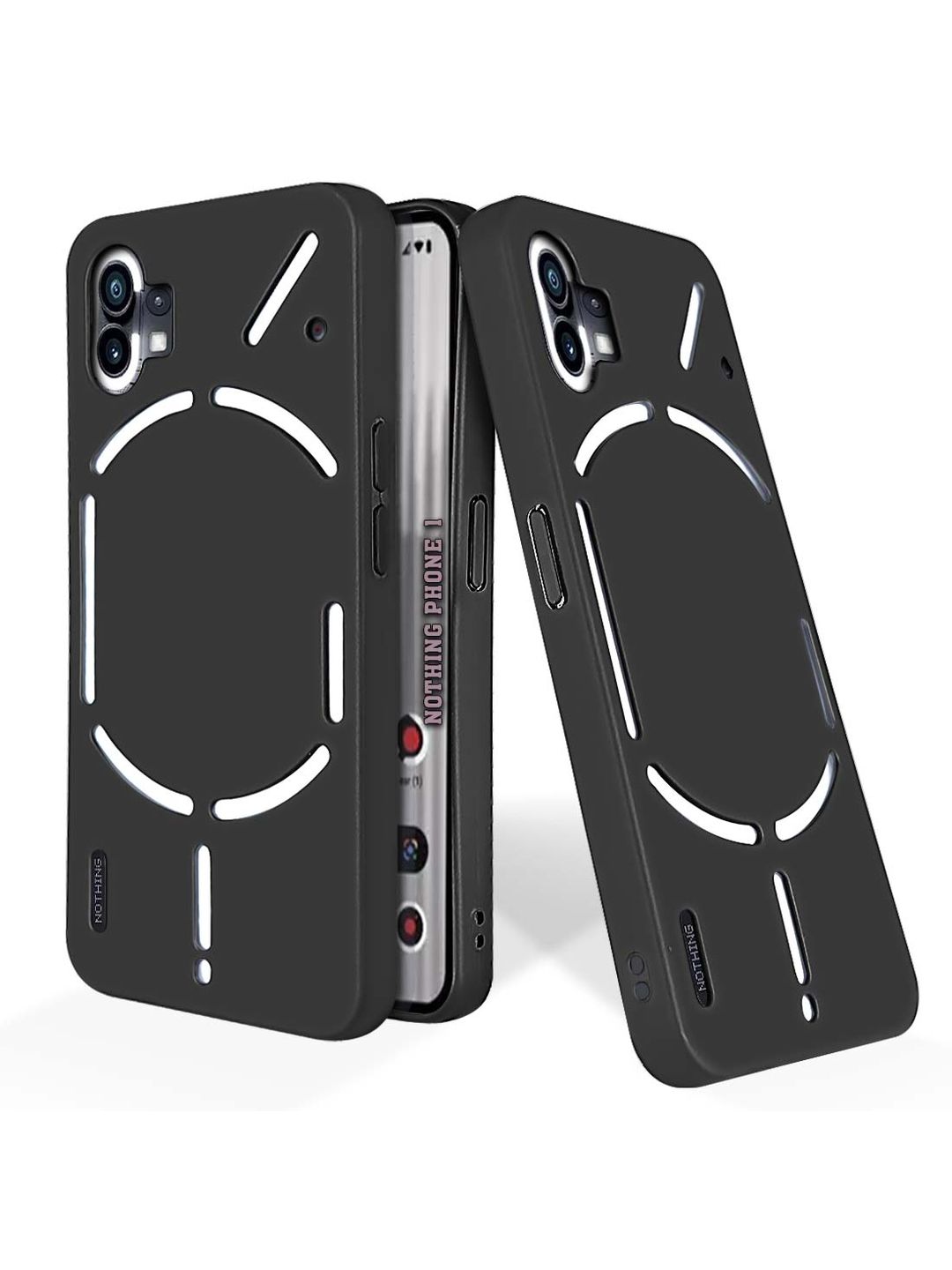
Now think about this a bit more. The phone had such a distinct design that its lighting could not really be hidden, even with bulky cases. That alone made it stand out in everyday use. But imagine if Nothing, or any brand with a strong design language, actually leaned into this idea properly. Imagine if it came with well-designed official cases that were built around the Glyph system instead of blocking it. Slim, clear, or cut-out designs that still let the lighting and identity shine through.
That is the point. A phone becomes more powerful as a product when it is still recognizable after real-world use starts. Not just on launch day.
If a brand can design a case that still allows that identity to show through, it is not just solving a protection problem. It is extending the life of its design language into everyday visibility. And in a market where most phones start looking the same under thick covers, that kind of recognition is not small. It is free marketing happening in people’s hands.
Right now, smartphone design feels like it exists in a showroom world. It is meant to be seen under controlled lighting, not lived with. But real users do not use phones without protection. So the actual experience is always a compromise between safety and visibility.
Until brands start designing for that reality, a large part of smartphone design will continue to exist only on launch day.