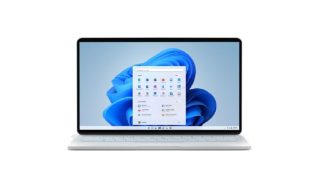
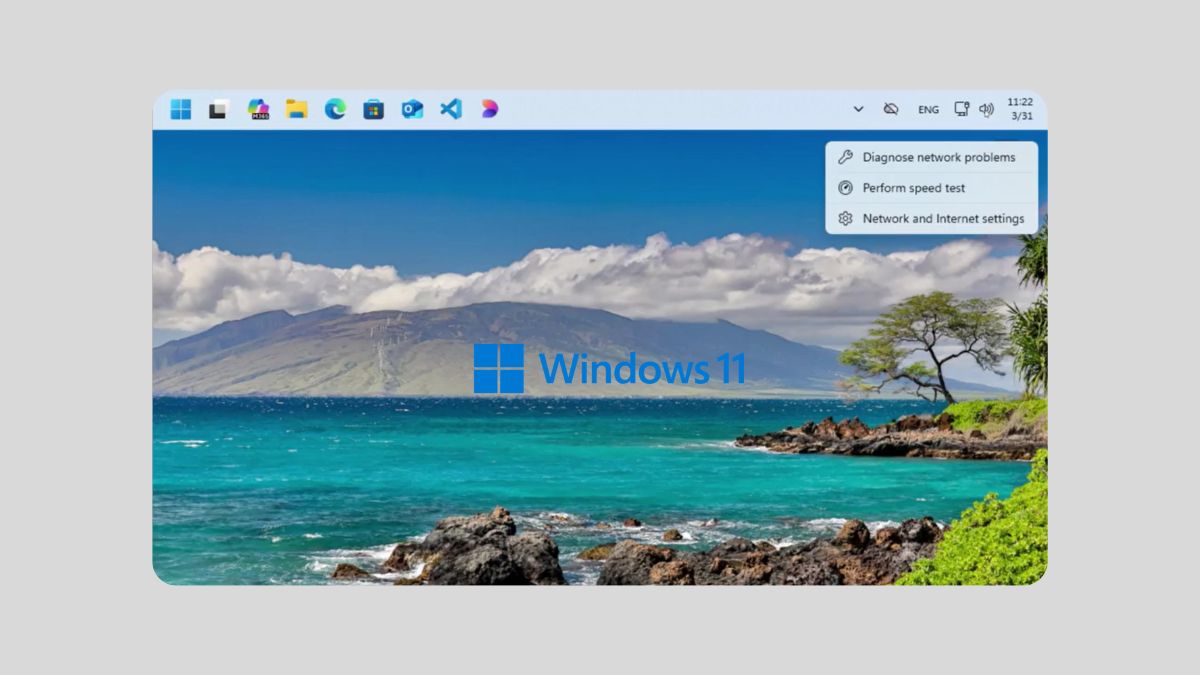

The ability to change the position of the taskbar is one of the most requested features among Windows 11 users. Since its launch, Microsoft’s latest operating system has kept the taskbar locked to the bottom of the screen. This removed the flexibility that many users were used to.
Now, Microsoft appears ready to bring that option back.
The company recently shared an early look at a feature that allows users to move the taskbar to different positions on the screen. Although the preview was posted briefly and later deleted, it confirms that Microsoft is actively working on restoring this functionality.
The ability to reposition the taskbar is not new. In earlier versions like Windows 10, users could place the taskbar at the top, left, or right side of the screen. It was also possible to drag and move the taskbar freely when it was unlocked.
This was removed in Windows 11, which introduced a redesigned taskbar with limited flexibility. The change was not well received, especially by power users who rely on specific layouts for productivity.
Over time, the request to restore taskbar movement became one of the most upvoted suggestions in Microsoft’s Feedback Hub.
In the early preview shared by Microsoft, users could change the taskbar position through a simple right-click menu. Selecting a preferred position would instantly move the taskbar. However, Microsoft engineers have clarified that this right-click option is only a debug tool. The final implementation is expected to follow a more traditional approach, where users can adjust the taskbar position through the Settings app, similar to how it worked in Windows 10.
The company has also confirmed that the taskbar and its elements will adapt to different positions. Icons and layout will adjust accordingly to maintain usability across various screen orientations.
While the feature is returning, it may not be identical to what users had before. For example, when the taskbar is placed vertically, the search bar will not appear in its full form. Instead, it will collapse into a simple icon to fit the narrower layout.
It is also unclear whether Microsoft will bring back the drag-to-move functionality, which was one of the most intuitive ways to reposition the taskbar in earlier versions.
Additionally, the preview version showed some rough animations, which are expected to be refined before the feature is rolled out in a stable update.
Alongside taskbar positioning, Microsoft is also working on another commonly requested feature, the ability to reduce the taskbar’s size. Currently, Windows 11 allows users to switch to smaller icons, but the overall height of the taskbar remains unchanged. Microsoft has confirmed that a future update will address this limitation.
While moving the taskbar may seem like a minor feature, it plays an important role in how users interact with their systems. Users with ultrawide monitors, vertical displays, or multi-monitor setups often rely on flexible taskbar placement to optimize screen space and workflow. Removing this option in Windows 11 limited those use cases.
The decision to bring it back shows Microsoft’s response to sustained user feedback.