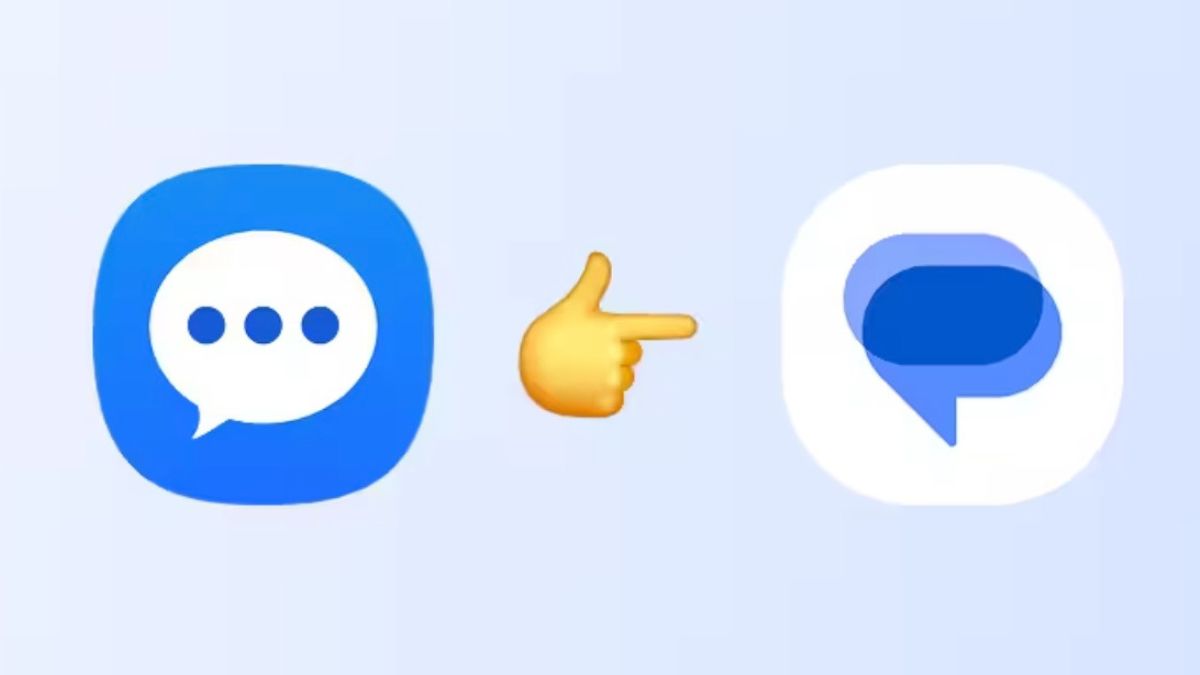

Samsung has confirmed that it will discontinue its native messaging app, Samsung Messages, by July 2026. After the cutoff, the app will no longer function as a standard texting platform. It requires users to switch to Google Messages to continue sending and receiving messages.
It is important to note that the decision has a bigger impact. The company is not just removing the app, but stepping away from maintaining its own messaging ecosystem. Over the past few years, Samsung has gradually reduced its focus on its messaging app. Recent Galaxy smartphones already ship with Google Messages as the default, and in some markets, Samsung Messages is no longer pre-installed.
Samsung says users may receive an in-app notification inside Samsung Messages, depending on their device and software version. This notification will guide them through the transition process.
If you want to switch manually, install Google Messages from the Play Store. When you open it for the first time, it will ask you to set it as the default SMS app. Tap on the option to set it as default, select Google Messages, and confirm. Once done, Google Messages becomes your primary messaging app.
This change also makes sense. Google Messages offers broader support for modern messaging standards such as RCS, which brings features like read receipts, typing indicators, improved media sharing, and end-to-end encryption in supported conversations. It also delivers a more consistent experience across Android devices, something Samsung’s app struggled to achieve outside its own ecosystem.
However, the move also shows a larger strategic change. Samsung has historically maintained its own alternatives to many of Google’s core apps, including browser, email, and messaging. This approach gave users more choice and allowed Samsung to differentiate its devices.
For most users, the transition may not have a significant impact. A large number of Galaxy users have already been using Google Messages.
There is a segment of users who prefer Samsung Messages for its simpler interface or its integration with other Galaxy features. For these users, the change removes an alternative rather than offering an upgrade.