
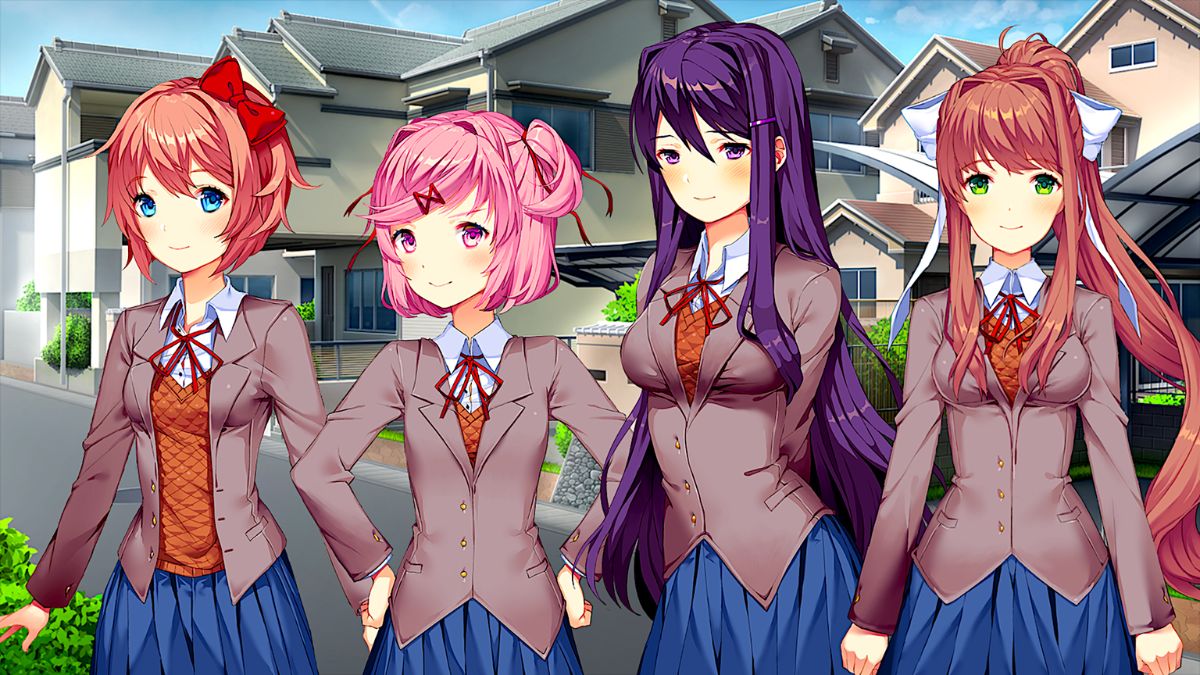

Google has removed Doki Doki Literature Club! from the Play Store. The decision has sparked debate around content moderation, platform policies, and how games dealing with sensitive topics are treated.
The game, which has been widely praised for its storytelling and psychological depth, is still available on other platforms. However, its removal from Android raises important questions about consistency and policy enforcement.
The takedown is linked to Play Store policies around sensitive content. Doki Doki Literature Club! explores themes like depression, self-harm, and suicide. While it does not promote harmful behavior, its direct presentation of these themes likely conflicted with Google’s guidelines for content considered distressing or unsuitable for a broad audience.
The removal has triggered criticism for several reasons. The game has been available for years across platforms including PC and consoles without major issues. It even includes clear content warnings at the start. Many players and critics argue that the game handles mental health topics responsibly. Instead of glorifying harm, it highlights the seriousness of these issues.
This creates a grey area. Should platforms restrict content because it is sensitive, even if the intent is meaningful?
Since the game is still available on platforms like Steam and consoles, it also raises a bigger question. Are mobile platforms becoming more restrictive compared to PC and console ecosystems?
This is not an isolated case. Over the past few years, digital platforms have become more aggressive in moderating content. This includes games, apps, and even user-generated media. In many cases, decisions are driven by policy interpretation rather than clear violations. This can lead to sudden removals without much transparency. For developers, this creates uncertainty. For users, it affects access to content they expect to be available.
While Google has not shared detailed reasoning publicly, it is likely that automated review systems or strict policy enforcement flagged the game. There is also a possibility that increased scrutiny around mental health content played a role. Platforms today are under pressure to ensure user safety, especially for younger audiences.
However, this approach can sometimes overlook context. A game that explores serious issues thoughtfully may still be treated the same as harmful content. Some developers worry this could discourage storytelling that deals with real-world topics.
The removal of Doki Doki Literature Club! from the Play Store highlights a growing tension between creative freedom and platform responsibility.