
The European Union has introduced new regulations that will directly impact how smartphones are built and used. These rules focus on improving the durability, repairability, and long-term usability of devices. These rules are being rolled out in phases between June 2025 and February 2027,
The first phase started in June 2025, and it restricts the brand from following the durability standards. They must offer spare parts for several years and allow third-party repair services. Companies can no longer limit repairs to their own service networks.
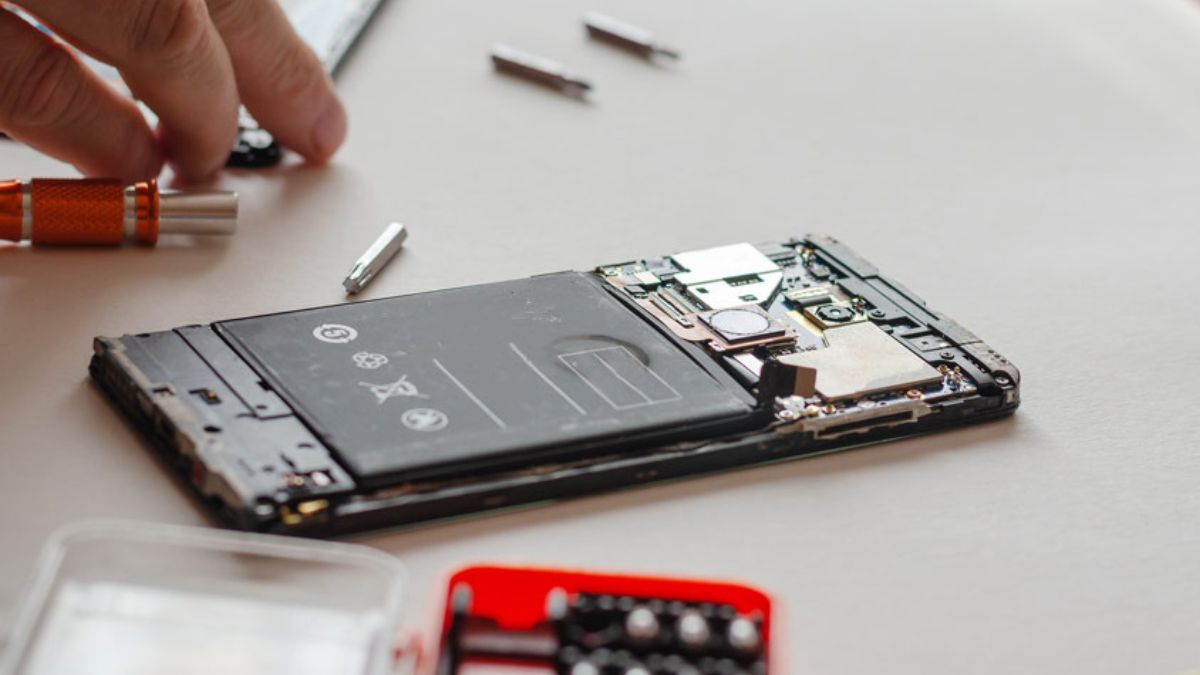
The bigger change comes in February 2027. From that point, smartphones sold in the EU must allow users to replace the battery themselves. The process should not require special tools or a service centre visit.
There are also technical conditions. Batteries must retain at least 80 percent capacity after 800 charge cycles. Spare parts need to be available for up to 10 years. Key components should be delivered within a few working days. Brands also need to provide repair manuals to the public.
It also mandates a visible change in product labels. These labels will show battery life, efficiency, durability, and a repairability score. This information will be available at the time of purchase.
Battery degradation has been one of the biggest reasons behind smartphone upgrades. In most cases, the phone itself still works fine. Performance is acceptable, cameras are usable, and software support often continues. But the battery does not last through the day.
Since replacing the battery is either difficult or expensive, many users choose to upgrade instead of repairing. I have seen most people switch devices every few years just because of the battery.
Now that the battery will be easy to replace, the upgrade cycle will change. A phone that is three years old can continue to be used if the battery is replaced. Over time, this can extend the average life of a smartphone by a few more years.
Smartphones are built with sealed designs. Companies use glue, layered construction, and tightly packed components. This helps achieve slim bodies and strong water resistance, but it also makes repairs difficult. With the new rules, companies will need to adjust these designs. Phones will have to be easier to open. Internal components may need to be arranged differently. Some level of modularity could be introduced.
We can expect devices to become slightly thicker. Back panels might be easier to remove. However, it will be interesting to see if this also comes with a compromise in durability and water resistance.
The change in the upgrade cycle will also affect sales volumes over time. So, brands may focus more on software features, services, and ecosystem integration to keep users engaged. It could also increase prices.
This could also lead to changes in after-sales services. Easier repairs can reduce dependency on service centres for basic issues.
Even if it is an EU regulation, it could impact smartphones sold globally. When the EU mandated Type-C in all phones, Apple added Type-C in iPhones sold globally and ditched the Lightning port. It is because smartphone brands prefer to build a single global product instead of creating separate versions for each region. Managing multiple hardware designs increases cost and complexity.
Changes will not happen overnight. It will take time for brands to redesign products and adjust supply chains. Early implementations may involve compromises. Over time, designs will improve as companies find better ways to balance repairability with premium design.
There is also room for innovation. Brands may explore new materials, better battery technologies, and smarter internal layouts to meet these requirements without affecting user experience.