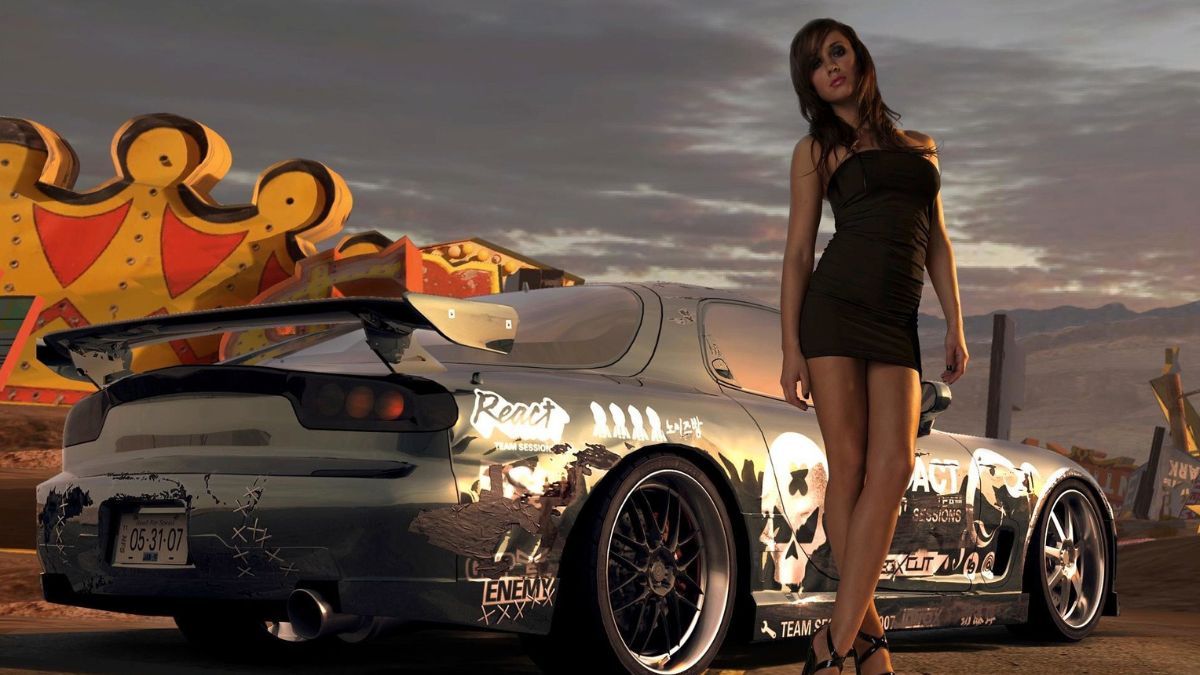

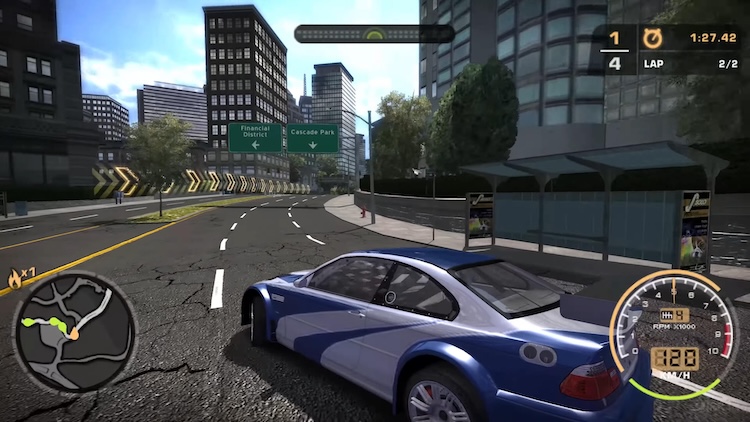
There was a time when racing games were a major reason to own a PC. I started with Road Rash on my PC. It was simple and chaotic, but it was pure fun. Then I moved to Need for Speed III: Hot Pursuit. After that came Midtown Madness, Need for Speed: Underground, and Need for Speed: Most Wanted. Those games were not just titles for me. They defined my early gaming years.
Back then, racing was not a small category. It was mainstream. In LAN cafes, people competed for lap times. We talked about car tuning the way players today talk about character builds and weapon loadouts.
Today, that picture has changed.
Our tracking at Techlomedia Gaming shows that in the last 30 days on Steam, Action has crossed 4 million active players. Shooter has more than 2.5 million. Adventure, RPG, Simulation, and Strategy also show strong numbers. Racing does not even appear among the top genres by active player share.
As someone who grew up on racing games, that reality hurts a little.
Historically, racing was powerful. The Need for Speed franchise has sold over 150 million copies across its lifetime. Gran Turismo 3: A-Spec sold around 14 million copies, becoming one of the best-selling PlayStation 2 games. Mario Kart 8 has crossed 70 million units globally, making it the most successful racing game ever.
These are not small numbers. Racing once had both cultural impact and commercial strength.
But over the last decade, the charts tell a different story. Action and shooter games consistently dominate yearly best-seller lists. Open world titles lead engagement charts. Live service shooters keep players engaged for years, not just a few months after launch.
The shift became more visible in the 2010s.
After years of playing racing games, I slowly found myself spending more time in action and competitive titles. I played Counter-Strike 1.6 for endless hours in the early 2010s. Then, Dota 2 changed how I understood depth and strategy in multiplayer games.
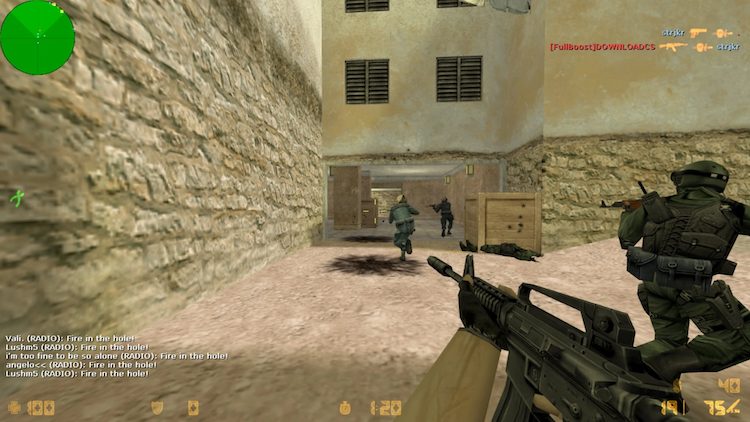
Later, Grand Theft Auto V took over my weekends. It was not just about completing missions. It felt like living inside a world. In recent years, Counter-Strike 2 and Valorant have started taking most of my gaming time.
From 2010 to 2026, live service shooters, MOBAs, and open world games evolved into long-term platforms. They were not just games you finished. They became ecosystems. They offered seasons, ranked ladders, esports tournaments, constant updates, cosmetics, and active communities.
I saw the same shift around me. Friends who once argued about lap times in Need for Speed began discussing rank tiers in Counter-Strike. LAN racing sessions slowly disappeared. Instead, we formed squads. We played competitive matches. We followed esports tournaments. Strategy and action games gave us shared experiences that lasted for years.
Looking back, the change was gradual. But the data today makes it very clear. Modern players expect more than just gameplay polish. They expect systems that keep them invested for months or even years.
If we look at the biggest games from 2015 to 2026, we see a clear pattern. Counter-Strike 2 regularly reaches 1,000,000 concurrent players on Steam. Dota 2, even after more than a decade, still pulls hundreds of thousands of concurrent players daily. Valorant built a strong global esports scene and maintains millions of active players every month.
These games are not successful only because they are fun. They are successful because they are built as long-term platforms. They offer ranked systems, seasonal resets, cosmetic progression, battle passes, and constant balance updates. The experience keeps evolving. Players feel that the time they invest has long-term value.
RPGs also became massive time sinks for players. The Elder Scrolls V: Skyrim is one of the best examples. It has sold more than 60 million copies over the years across multiple editions and platforms. More than a decade later, it is still being played because of mods and re releases.
In 2015, The Witcher 3: Wild Hunt raised the bar for storytelling in games. It has sold over 50 million copies. It proved that a deep single-player RPG could compete with multiplayer titles in both sales and long term relevance.
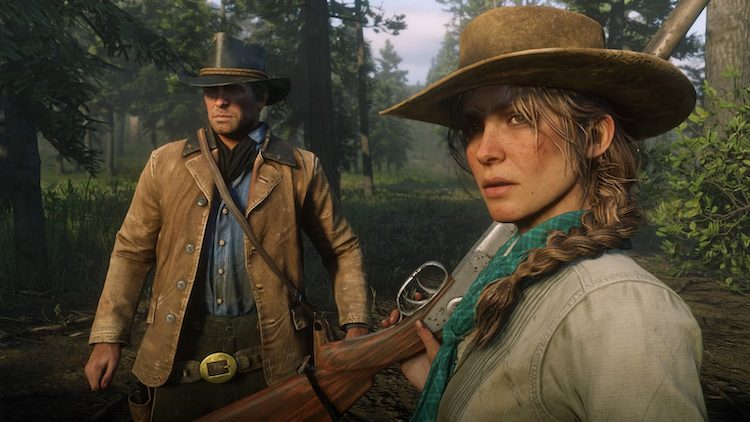
Then came Red Dead Redemption 2. While not a pure RPG, it offered role-playing depth inside a living world. It has crossed 60 million copies in sales. Players spent hundreds of hours not just completing missions, but living inside that world.
More recently, Elden Ring crossed 20 million copies within its first year and later moved beyond 25 million. It showed that even a difficult RPG with minimal hand-holding can reach mainstream audiences.
RPGs gave players something racing games rarely offer. Long-term character growth. Skill trees. Meaningful exploration. Emotional attachment to stories and worlds. Instead of repeating short race loops, players could invest 100 to 200 hours into a single evolving experience.
Now look at most racing games. The structure has not changed much in twenty years. You enter a race. You win credits. You unlock a new car. You upgrade it. Then you repeat the cycle. The handling might improve. The graphics might look stunning. But the overall structure feels familiar very quickly. There is rarely a deep progression system that changes how you approach the game.
In shooters and strategy games, you win as a team. You coordinate. You communicate. You climb ranks together. That creates strong community bonds. Racing is mostly individual. Even in multiplayer, the interaction is limited. You are competing, not collaborating. For many players, that reduces long-term attachment.
The recent performance of big racing franchises shows us that’s wrong.
Need for Speed Unbound launched with decent hype, but interest dropped fast. Steam player numbers declined sharply within months. Reviews often pointed to repetitive progression and lack of meaningful innovation. For a franchise that once dominated street racing culture, this was disappointing. It showed that brand recognition alone is no longer enough.
On the other hand, Forza Horizon 5 became one of Microsoft’s biggest launches. It crossed 10 million players within its first week and later passed 30 million players across platforms. That success is not accidental. It blends racing with open-world exploration, seasonal content, live events, and cross-platform multiplayer. It feels closer to a living service game than a traditional racer.
This says a lot. When racing games evolve toward open-world systems and live content, they perform better. When they stay locked in the old loop, engagement drops quickly.
Racing is not dead. Sim racing communities remain strong. Gran Turismo 7 still sold millions of copies. There is still a loyal audience. But dominance is different from survival.
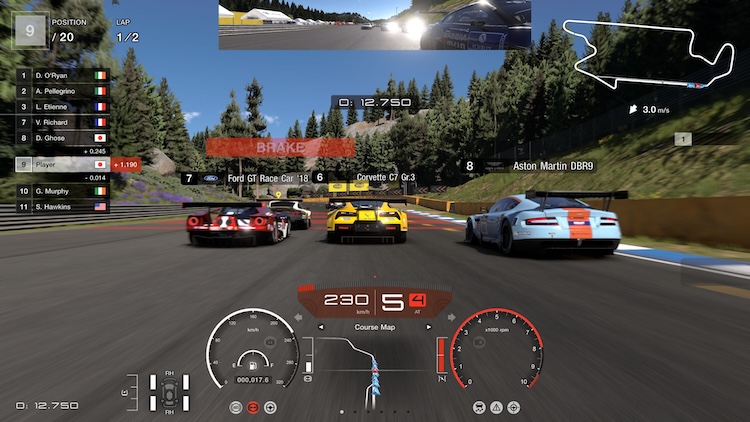
In the early 2000s, racing games were system sellers. Today, action, shooter, RPG, and strategy games dominate active player charts, streaming platforms, and esports investments.
For me personally, I did not suddenly stop liking racing. It just stopped being the genre where I spent most of my time. Competitive shooters and strategy games offered evolving systems and stronger social engagement.
The numbers today only confirm what many of us already experienced over the last fifteen years. Racing games are still here. They are just no longer driving the industry forward.