
In India, people are comfortable scanning a QR code and paying instantly. But when it comes to talking about money, savings, or financial goals, most still hesitate. This is the gap that most fintech companies are now trying to address.
Paytm has launched a new on-ground campaign around Gudi Padwa, where it is taking conversations about money out of homes and into public spaces. The company introduced a themed auto rickshaw experience across cities like Mumbai, Pune, and Ahilyanagar. It is inviting people to step in and talk openly about their financial habits and future goals.
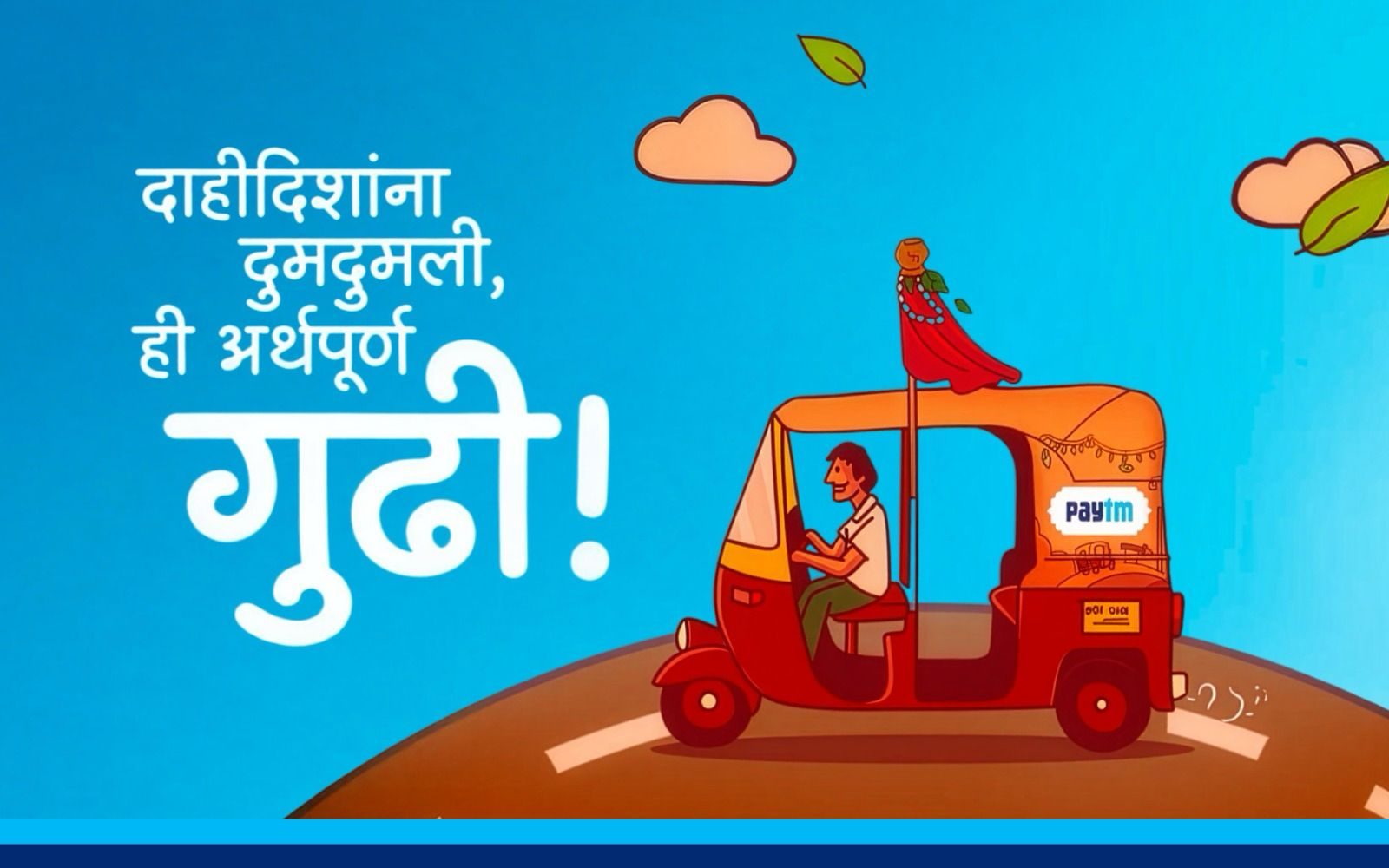
It may look like a festive brand activity, but it shows how fintech companies in India are trying to evolve.
Over the past few years, digital payments have become a part of daily life. UPI has made transactions simple, fast, and widely accepted across the country. Apps like Paytm are no longer just tools for sending money. They are trying to become platforms that influence how users think about money itself.
With this campaign, Paytm is attempting to make financial conversations feel more natural. By using a familiar and festive setting like Gudi Padwa, the company is lowering the barrier around a topic that is usually seen as personal or even uncomfortable.
People from different age groups participated in these street interactions, sharing their experiences, money habits, and goals
India’s fintech ecosystem in 2026 is highly competitive. Almost every major app offers similar payment features. So differentiation is no longer about just technology. It is now about trust, engagement, and long-term financial relationships.
Encouraging users to think about savings, goals, and financial planning is a step towards deeper engagement. Once users start doing that, they are more likely to explore services beyond payments.
Another interesting part of this campaign is how it mixes traditional celebrations with modern payment behavior. Participants were also given a festive “Gudi Bag”, which included a Paytm QR code. This shows how digital payments are becoming part of everyday life, even during cultural events and festivals.
While the campaign promotes openness around money, it also serves a clear business purpose. When users talk more about money, think about financial goals, and engage with the platform beyond payments, they are more likely to stay within the ecosystem of a single app.
So campaigns like these help in building recall, trust, and long-term usage.