
NVIDIA is expanding its ambitions beyond traditional data centers and GPUs. At NVIDIA GTC 2026, the company announced a new push into space computing, unveiling hardware designed to run AI workloads directly in orbit.
The company introduced the Space-1 Vera Rubin Module, a computing platform built specifically for satellites and orbital infrastructure. Nvidia says the module can deliver up to 25 times more AI compute for space based inference compared to systems using the NVIDIA H100 GPU.
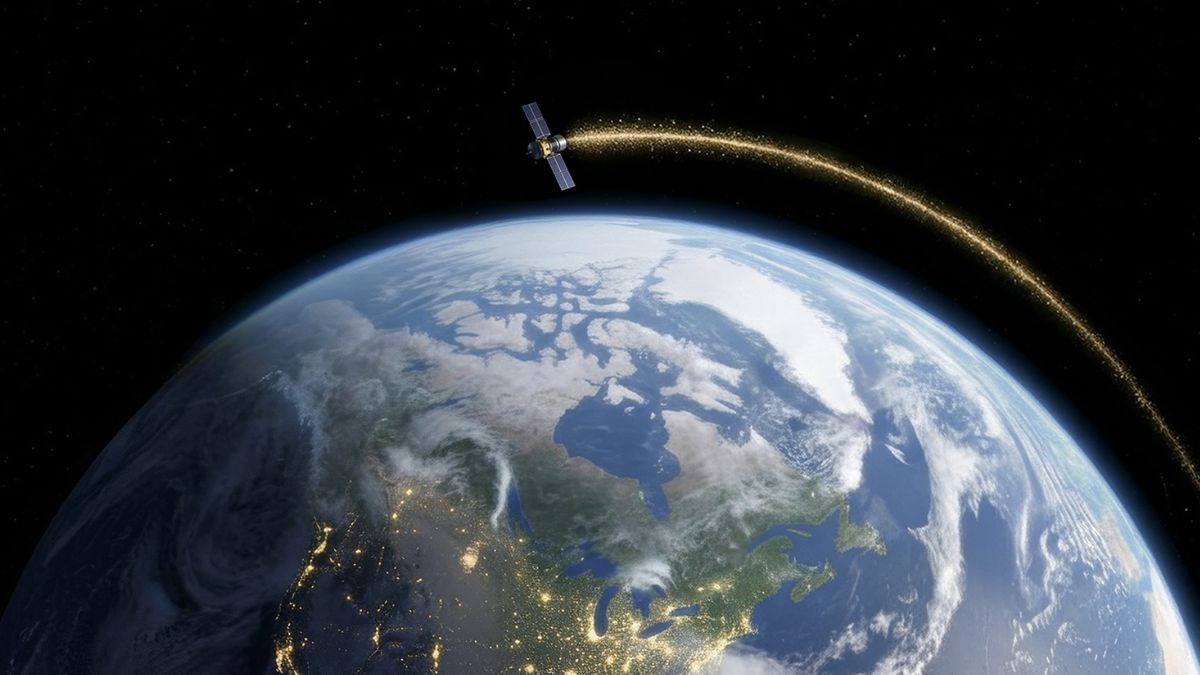
Instead of sending massive amounts of raw satellite data back to Earth, satellites could process that data in space using onboard AI. Only useful insights would be transmitted to ground stations, reducing bandwidth use and improving response times.
Nvidia is also positioning its existing edge AI platforms for space missions. These include NVIDIA Jetson Orin and NVIDIA IGX Thor, both designed to deliver AI inference and sensor processing in compact and power efficient systems.
Several space technology companies are already experimenting with Nvidia’s hardware. These include Axiom Space, Kepler Communications, Planet Labs, Sophia Space and Starcloud. Some of them are exploring the idea of orbital data centers, where computing infrastructure operates directly in space.
If that concept becomes practical, it could change how satellite networks operate. Earth observation satellites generate enormous amounts of imagery and sensor data every day. Processing that data locally could allow faster detection of events such as wildfires, floods, or infrastructure changes.
Nvidia also highlighted ground-side processing systems powered by the NVIDIA RTX PRO 6000 Blackwell Server Edition GPU, which the company says can accelerate large-scale geospatial analysis compared to traditional CPU-based systems.
As satellite constellations grow and space infrastructure becomes more commercialized, companies will need more computing power closer to the data source. Nvidia appears to be positioning itself as the technology provider for that next layer of infrastructure.
Whether orbital computing becomes mainstream will depend on costs, reliability, and power constraints. But if the concept takes off, the next generation of satellites may function less like simple sensors and more like autonomous AI systems operating far above the planet.