
India’s smartphone market barely grew in 2025. Shipments were up by just 1 percent year on year, which clearly shows that the market has reached a mature stage. Most people who want a smartphone already have one. So, the growth is coming only from people who are upgrading their existing phones.
Counterpoint claims that India is shifting towards premium phones. According to its report, smartphones priced at Rs. 30,000 and above are classified as premium. Using this definition, premium phones made up 22 percent of total shipments in 2025. In simple terms, one out of every five phones sold was called premium.
But this changes the whole narrative. In India, Rs. 30,000 is not a premium for smartphones anymore. It is closer to upper mid-range. Phones in this price range still make compromises, whether it is camera consistency, long-term performance, or software support. Calling this segment premium changes the entire perception of the market. If we use a more realistic Indian benchmark, premium phones start at around Rs. 50,000. Ultra-premium would be Rs. 80,000 and above. If Counterpoint had used this bracket, the so-called premium share would be much lower. Because of this definition, the report gives an inflated picture of premium adoption.
The overall value of smartphones shipped grew by 8 percent, even though unit growth was flat. This clearly shows that people are spending more money when they upgrade. Since they are spending slightly more, they are also holding their phones longer. This is not premiumisation. It is a delayed upgrading, combined with price inflation and better financing options.
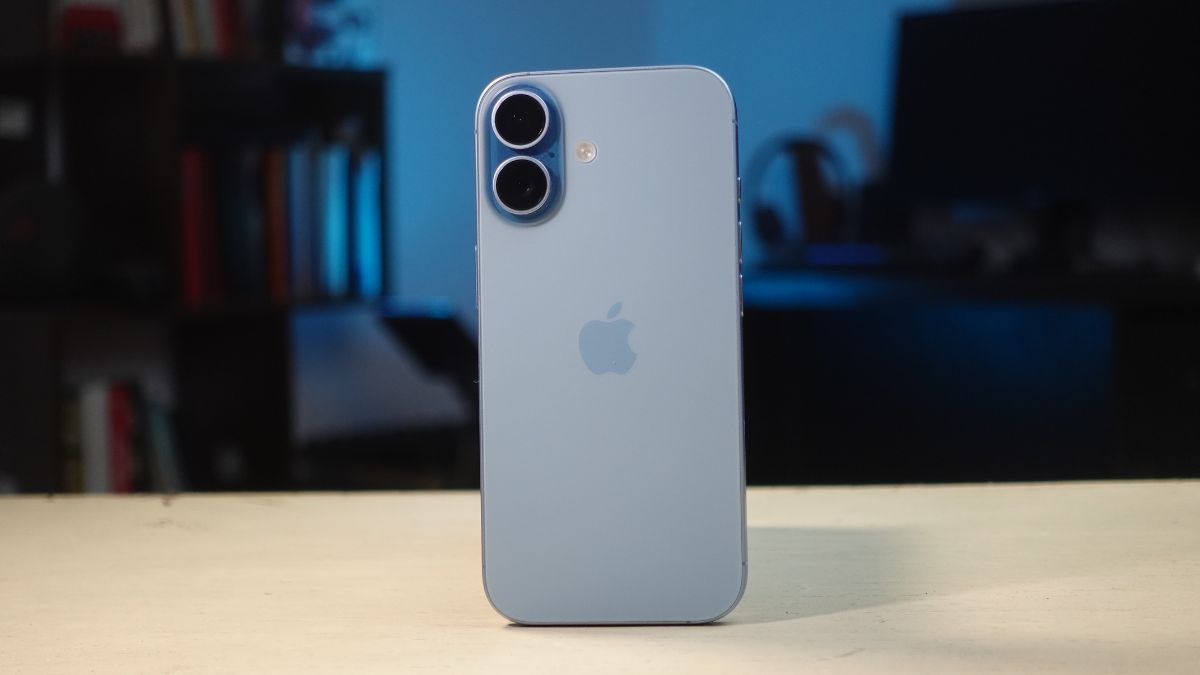
Apple is the biggest beneficiary of this trend. Even with a relatively small unit share, it captured 28 percent of the total market value, which is its highest ever in India. And the reason is premium pricing of its phones. iPhone 16 ended the year as the most-shipped individual model in the country. It shows that Indian consumers still see Apple as an aspirational brand. And even the refurbished iPhone 13 would be called a premium phone as per the definition of premium phones by Counterpoint.
vivo emerged as the top brand by volume with a 20 percent share. Its growth came mainly from the Y and T series, which are firmly budget and mid-range phones. Samsung stayed at number two, with the Galaxy S series hitting its highest ever share within Samsung’s portfolio. This again points to upgrades within the brand’s existing user base. At the same time, Galaxy A, M, and F series continued to do the heavy lifting in volumes and we don’t see these Samsung phones as premium phones.
Foldables remain a niche segment in the country, and there’s a reason for this. People still can’t be sure if they can use a foldable phone for more than 2 years. And most consumers don’t want to upgrade soon when they are spending more than 1 lakh. Samsung dominates the foldable segment with 88 percent share and strong year-on-year growth.
Oppo is in third place, but it is still finding it hard to get consumers for its Reno and Find X models. The sales mainly came from the A and K series. The same A and K series that aren’t considered premium.
The real takeaway from this report is that India is not becoming a premium smartphone market. You have already seen how Vivo and Oppo, which are 1st and 3rd largest brands by market volume finding it hard to sell their premium devices.
What is actually happening is a gradual shift in upgrade behaviour. People who earlier bought phones in the Rs. 20,000 to Rs. 25,000 range are now stretching their budget slightly and spending around Rs. 30,000 to Rs. 35,000. That price jump does not make the market premium.
These buyers are choosing slightly better phones that offer more reliable performance and longer software support than budget models. As a result, they keep their phones for a longer time. This naturally slows down the upgrade cycle.
In India, most people still upgrade their phones only when their current device no longer meets their needs. Very few users upgrade just because a new model has launched. That behaviour has not changed, and it explains the flat growth much better than the idea of rapid premiumisation.


![Mivi DuoPods Vibe Earbuds [New Launch], 60 Hours Playtime, AI-ENC for HD Calls, 13mm Drivers, IPX 4.0, BT v5.3, Made in India True Wireless Bluetooth Ear Buds](https://m.media-amazon.com/images/I/412rzDKvZ3L._SL160_.jpg)