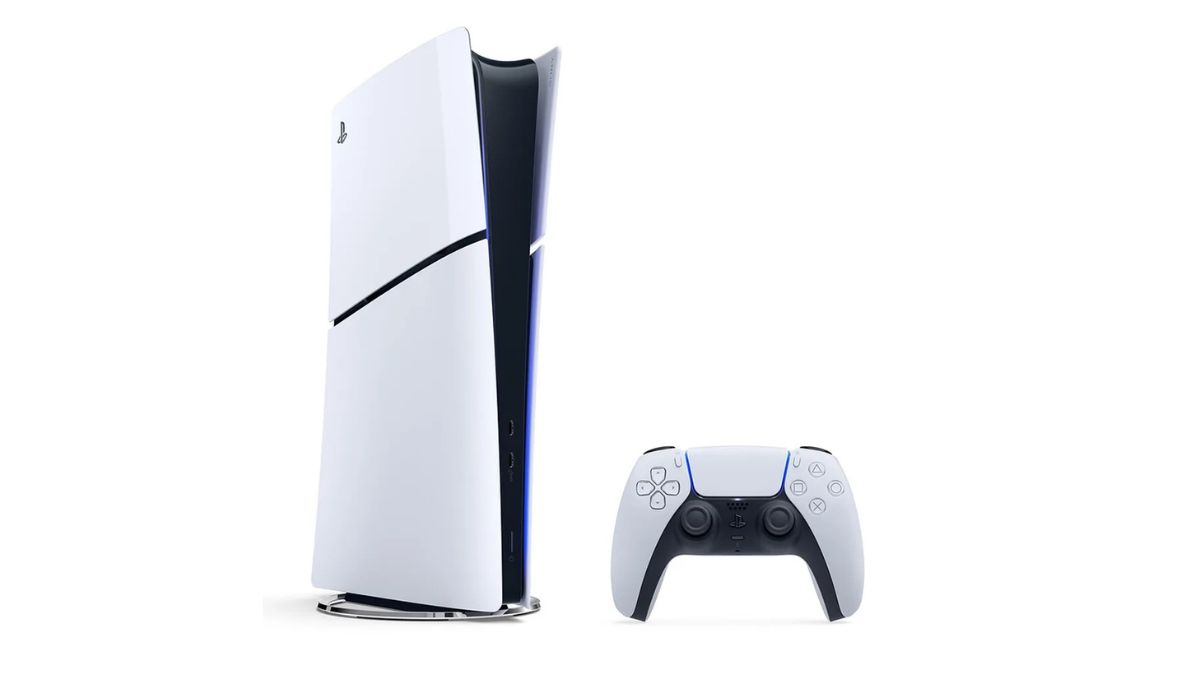

In its financial results for the quarter ending December 31, 2025, Sony said that PlayStation 5 has shipped 92.2 million units globally since its launch in November 2020. This shows how strong the PS5 remains in the gaming market, but the pace of shipments is slowing compared to past milestones.
In the October to December quarter of the 2025 financial year, Sony shipped 8 million PS5 units. This is 1.5 million fewer units than the same quarter a year earlier. It shows a weaker hardware momentum. At the same time, Sony’s gaming division showed resilience thanks to software and network performance.
Sony said there are now 132 million monthly active users on the PlayStation Network, up by 3 million from the same period last year. Combined PlayStation 4 and PS5 software sales reached 97.2 million units in the quarter, which is 1.3 million more than a year earlier, and 13.2 million of those were first-party titles, up 1.6 million year-on-year. The digital download ratio for full game software was 76 percent, up by two percentage points.
The PS5 has also achieved a rare milestone among modern consoles. It has now surpassed lifetime sales of every Xbox console, including the Xbox 360, and sits close to Sony’s PlayStation 3 lifetime total. It shows how strong the PlayStation brand still is five years into the PS5’s lifecycle.
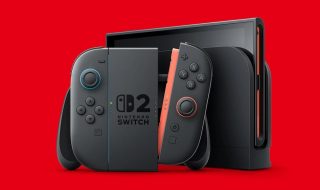
The slowdown in PS5 hardware shipments is not unexpected. Console lifecycles often slow after early demand is met, and the current generation has faced stock challenges, price pressure, and strong competition. At the same time, Nintendo’s hardware continues to sell very well, with recent reports showing the Nintendo Switch 2 set records as the fastest-selling console ever shortly after its launch.
Software and network services are becoming more important to Sony’s results. PlayStation Network users continue to grow, and digital software sales now make up a large majority of game purchases. First-party games now sell millions of units each quarter, and software sales overall are rising.
The slowdown in hardware shipments may prompt questions about the future of the PS5 and Sony’s next moves. A possible PS5 Pro refresh or new hardware revision could stimulate sales later in the lifecycle. If “Grand Theft Auto VI” and other major exclusives release later in 2026, Sony might see a renewed surge in console demand.
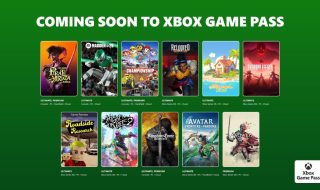
Xbox’s hardware performance lags far behind the PS5, and Microsoft’s strategy has shifted more toward services like Game Pass than pure console sales. This could mean Microsoft does not reclaim console share but builds a different kind of long-term value through subscriptions.