
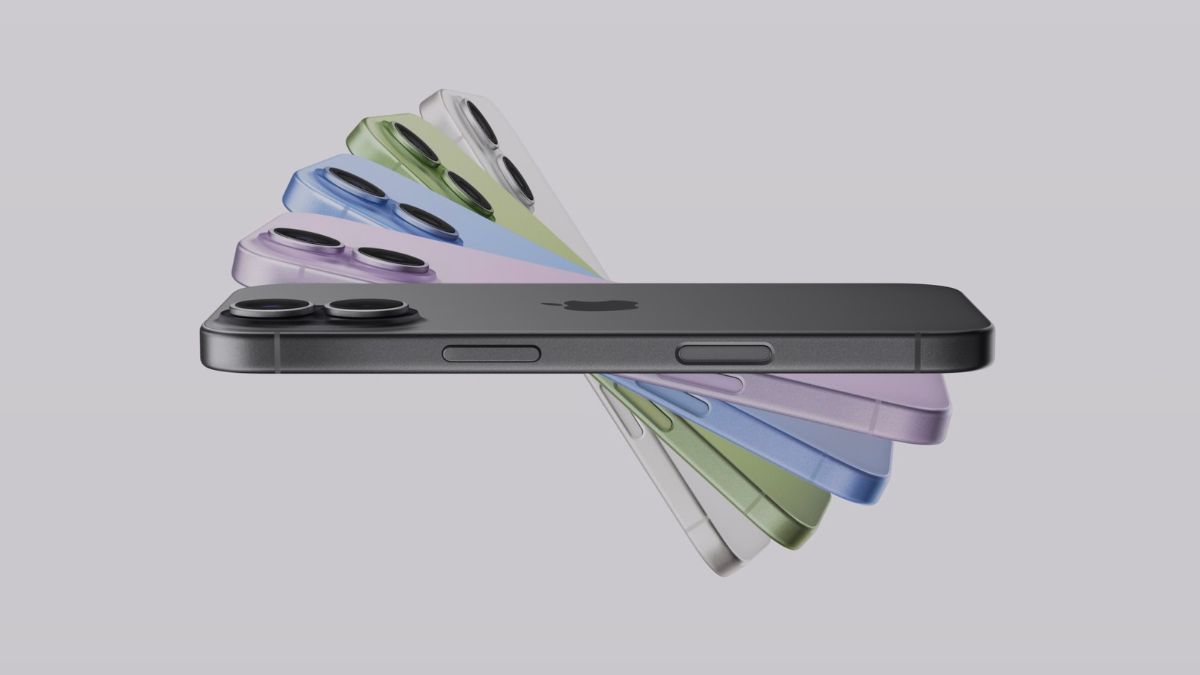

Apple has reported the strongest iPhone quarter in its history. This shows iPhone’s continued importance to the company’s business. In its fiscal first quarter, Apple generated around $85 billion in iPhone revenue, up from roughly $69 billion in the same period last year. CEO Tim Cook described it as the best iPhone quarter ever, with record performance across all geographic regions.
This quarter’s performance was due to the demand for the iPhone 17 lineup, which launched in September. According to Cook, the new models performed significantly better than previous generations. Holiday demand was especially strong, suggesting that more users chose to upgrade earlier instead of delaying purchases, a trend that had slowed smartphone sales in recent years.
China emerged as the most important growth market during the quarter. Apple set an all-time iPhone revenue record in Greater China, with regional sales rising from $18.5 billion a year ago to $25.5 billion. Cook also pointed to strong double-digit growth in retail store traffic across China.
India also delivered record results and continues to be one of Apple’s most promising markets. Apple posted its highest-ever quarterly revenue in India, with record sales for iPhone, Mac, iPad, and services. Cook called the quarter “terrific” for the country, noting that India is now the second-largest smartphone market globally and the fourth-largest PC market. While India still contributes a smaller share of Apple’s total revenue, its growth rate suggests it could become a major driver over the next few years.
From a business perspective, this quarter reinforces Apple’s strategy of focusing on premium hardware tied closely to its ecosystem. The strong iPhone performance also supports Apple’s expanding services business, as more active devices typically lead to higher services revenue over time.
Some analysts speculate that Apple’s future iPhone growth may depend on how well it integrates artificial intelligence features into upcoming models. While this quarter was driven mainly by hardware demand, sustained growth could rely on software and AI-led experiences that encourage upgrades.