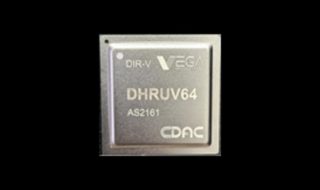
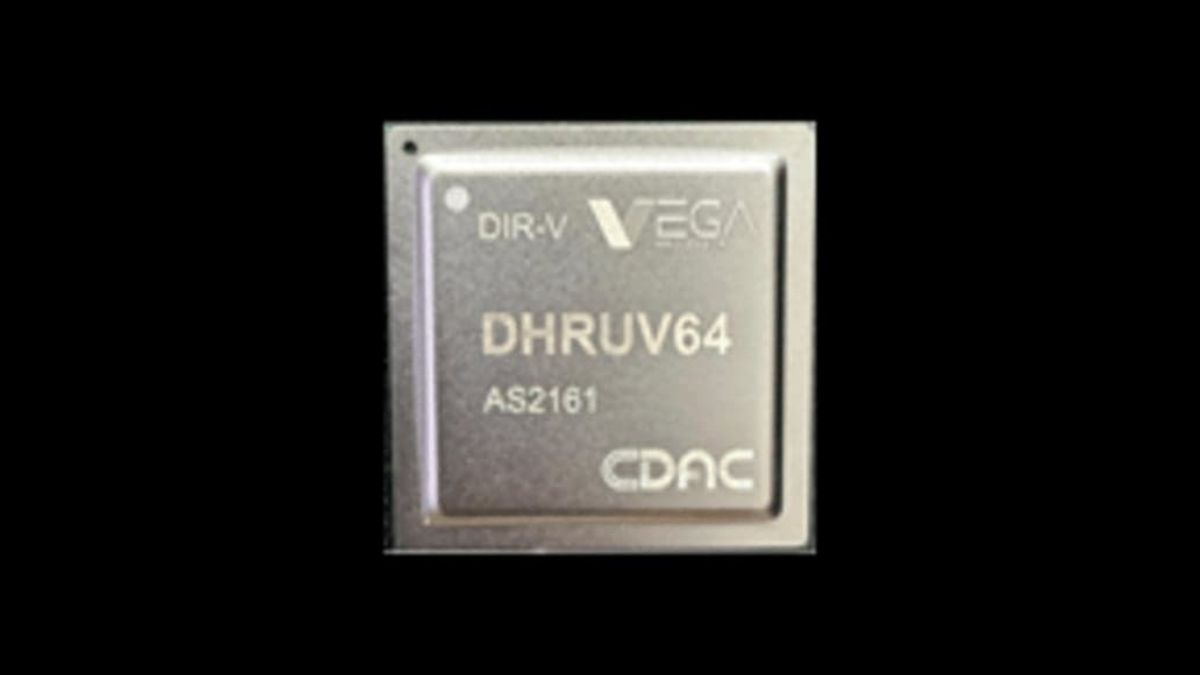

India has unveiled Dhruv64, a 1.0 GHz, 64-bit dual-core microprocessor, marking an important moment in the country’s semiconductor journey. The chip has been developed by the Centre for Development of Advanced Computing (C-DAC) under the Microprocessor Development Programme and introduced through the Digital India RISC-V initiative. It is being described as India’s first fully indigenous CPU design.
Dhruv64 is built on the open-source RISC-V architecture. This means the processor does not rely on licensed instruction sets owned by foreign companies. The open nature of RISC-V allows Indian researchers, startups, and institutions to study, modify, and improve the design without paying royalties. This approach is seen as crucial for building local capability in processor design.
The processor features a 64-bit dual-core setup with a clock speed of 1.0 GHz. It is not designed for consumer devices like smartphones or laptops. Instead, Dhruv64 is aimed at industrial systems, automotive electronics, telecom infrastructure, and connected devices. These areas focus more on reliability and control than on high performance.
India currently consumes a significant share of the world’s microprocessors but manufactures very few of them. Most chips used in critical systems are imported. Dhruv64 addresses this gap at the design level by showing that India can build a modern processor architecture on its own. This reduces dependence on external technologies and helps strengthen domestic expertise.
From a security perspective, an indigenous processor also has clear benefits. Using locally designed chips in sensitive systems such as defence, telecom, and industrial control can reduce supply chain risks and improve trust in the technology being deployed.
At the same time, Dhruv64 is not a high-performance breakthrough. It does not compete with Intel, AMD, or advanced ARM-based processors in terms of speed or efficiency. It is several generations behind modern commercial CPUs and is not meant to replace them. This is a first-generation effort focused on capability building rather than market competition.
India has designed chips in the past, including processors developed for space and strategic applications. However, those efforts remained limited and did not evolve into a sustained ecosystem. Dhruv64 is part of a broader push that includes national programmes such as the India Semiconductor Mission, Chips to Startup initiative, and Design Linked Incentive scheme. The aim is to create continuity in chip design and development.
Dhruv64 does not change India’s position in the global semiconductor market overnight. But it establishes a starting point. Its real value will depend on how quickly follow-up designs emerge and whether a supporting ecosystem of software, tools, and industry adoption develops around it.