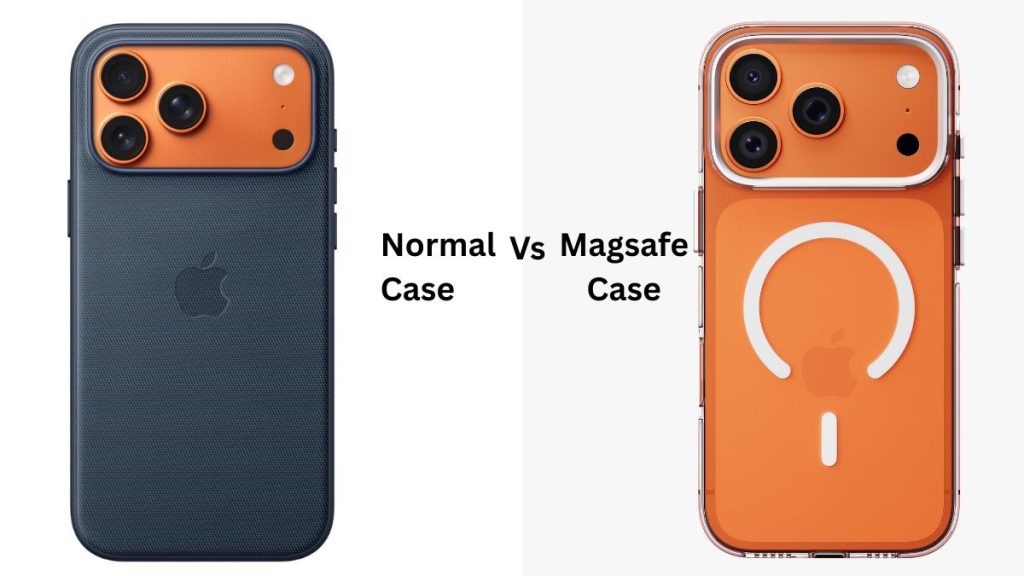
If you are buying a new iPhone with MagSafe, you will probably also start looking for a case. That is where a surprisingly simple buying decision can become confusing. You will find regular cases and MagSafe-compatible cases, with the latter often costing more.
Walk into a store and mention that you use an iPhone, and you may be pushed towards a MagSafe case as if it were necessary. It isn’t.
If you plan to use a MagSafe charger, it is easy to assume that the more expensive case is the obvious choice. But do you actually need the magnetic ring in the case?
Not necessarily. The iPhone already has the MagSafe magnets built into it, so a case does not need to add another set of magnets for MagSafe to work. A regular case can still allow the iPhone to connect to a MagSafe charger. The real question is how much the case affects that magnetic connection and whether you plan to use other magnetic accessories.
Your iPhone already has the magnets
MagSafe is part of the iPhone itself. The phone has a ring of magnets around its wireless charging coil, which allows compatible accessories to snap into position.
A MagSafe case adds another magnetic ring to the outside of the case. This does not give the iPhone MagSafe functionality. Instead, it gives accessories a stronger magnetic surface to connect to after the case has been fitted.
That difference is important when choosing a case. You are not buying a MagSafe case because the iPhone needs those magnets. You are buying one if the case itself would otherwise make the magnetic connection weaker than you want.
How much does the case actually matter?
The biggest factor is thickness.
A thin case puts relatively little material between the iPhone’s magnets and the accessory. The magnets can still attract each other through that layer, so a MagSafe charger can often attach securely even though the case has no magnets of its own.
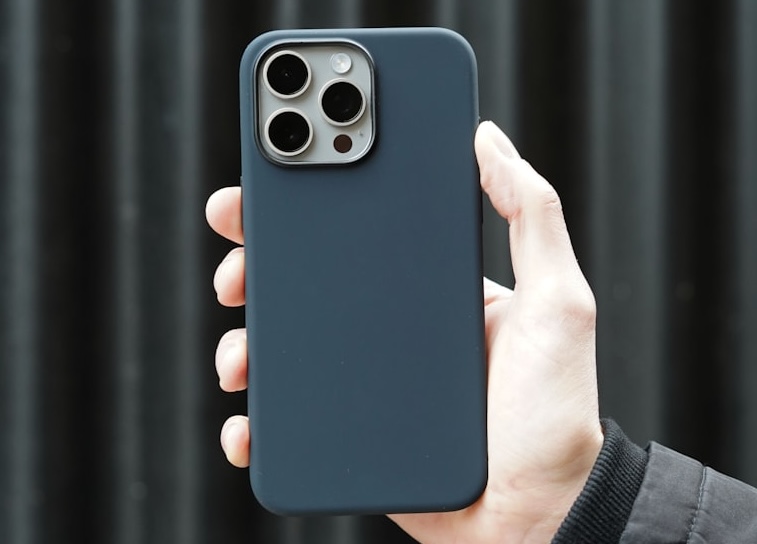
As the case gets thicker, the distance increases and the magnetic connection becomes weaker. This is particularly relevant with rugged cases that use multiple layers of protective material.
A thick case can still support wireless charging, but its magnetic connection may not be strong enough for an accessory that needs to stay attached securely. This is where the magnetic ring in a MagSafe case becomes useful. It places the magnetic connection on the outside of the case instead of making the accessory work through all that extra material.
So when choosing between a regular and MagSafe case, the first thing to consider is not the label. Consider how thick the case is and how you plan to use it.
Charging does not require a magnetic case
If your main reason for buying a MagSafe case is charging, you may not need one. MagSafe charging uses the magnets to help the charger align with the iPhone’s charging coil. The magnets are useful because they keep the charger in the correct position, but the case does not need its own magnetic ring for wireless charging to work.
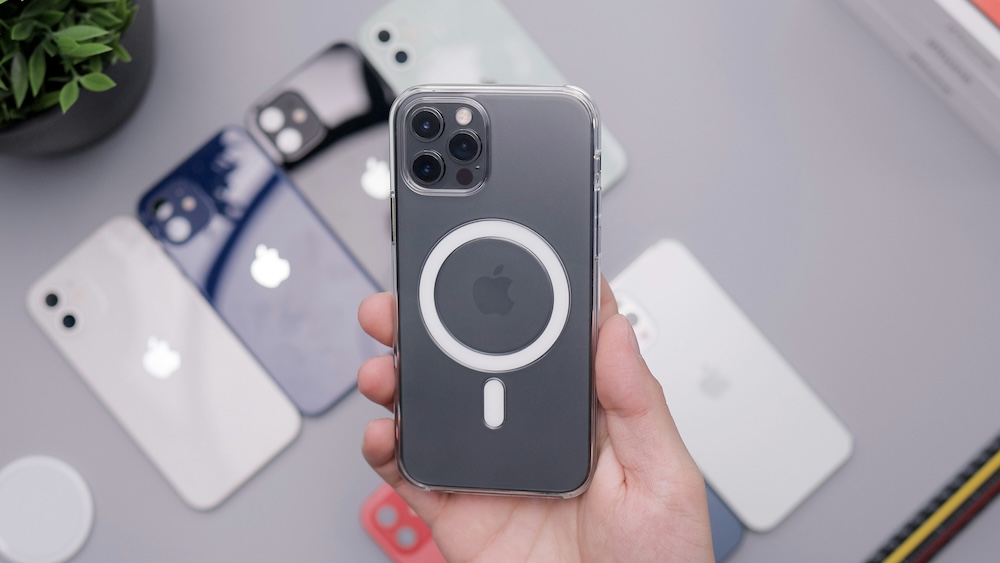
A suitably designed regular case can allow the charger to connect through it. With a thin case, the difference may be small enough that there is little practical benefit to paying extra for a magnetic ring.
The case does, however, have to be compatible with wireless charging. Excessive thickness or certain materials can interfere with charging, so “regular case” does not mean that every case will work equally well.
The important point is that MagSafe charging and a MagSafe case are two different things.
Accessories change the equation
The decision becomes different when you plan to use MagSafe for more than charging.
A magnetic charger can simply sit against the back of the phone while it is on a desk. A wallet, stand or car mount has to remain attached while you are handling the phone or, in the case of a car mount, while the vehicle is moving. That puts much greater demands on the magnetic connection.
A thin regular case may still provide enough magnetic strength for some accessories, but there is less room for compromise when you want the phone to stay firmly attached. A properly designed MagSafe case provides a dedicated magnetic connection on the outside, making it much easier for these accessories to hold the phone securely.
This is where the extra cost of a MagSafe case can be justified.
What does “MagSafe compatible” actually mean?
It does not mean that every MagSafe case will perform exactly the same way.
A good case needs its magnetic ring to be correctly positioned and strong enough for the accessories you intend to use. The construction of the case also matters because the ring has to work correctly with the iPhone’s charging system.
This means two cases can both carry a “MagSafe compatible” label and still offer different experiences. One may hold a magnetic wallet very firmly, while another may allow it to shift. The same can happen with stands and car mounts.
So if you are buying a case specifically for magnetic accessories, do not stop at the label. Check whether the manufacturer specifies the magnetic system and look at independent reviews where possible.
Do you need to pay extra for MagSafe?
For some buyers, the extra cost is unnecessary.
If you are buying a thin everyday case and your main use for MagSafe will be charging, a regular case may be enough. There is no technical requirement for the case itself to contain magnets.
If you prefer a thick protective case, the calculation changes. The additional material can weaken the connection enough to make the iPhone’s internal magnets less useful, so a magnetic ring built into the case becomes more valuable.
And if you know that you will use a magnetic car mount, wallet, stand or battery pack, choosing a good MagSafe case from the beginning makes more sense. You are paying for a stronger and more reliable connection through the case, rather than simply paying for the word “MagSafe” on the packaging.
What about the charger itself?
There is also an important difference between buying a MagSafe charger and buying a MagSafe case. The charger is responsible for the charging system and its magnetic connection to the phone. The case does not increase the charging capability of the iPhone simply by containing magnets.
A magnetic ring in the case mainly ensures that the charger or other accessory can maintain a strong connection through the case. This is why buying a MagSafe charger does not automatically mean that you must buy a MagSafe case.
If you are choosing your case at the same time as the new iPhone, think about the complete setup rather than buying the most expensive version by default.
The simple buying rule
If you are buying a new iPhone and a case, the decision can be quite simple.
Choose a regular thin case if you mainly want protection and wireless charging, and you do not care much about magnetic accessories.
Choose a MagSafe case if you want reliable magnetic attachment, particularly with a wallet, stand, car mount or battery pack.
If you want a thick or rugged case, a MagSafe version is worth considering because the additional case thickness can weaken the iPhone’s built-in magnetic connection.
There is no universal rule that says one option is better. The right choice depends on what you are putting around the iPhone and what you want to attach to it.
Wrap Up
A MagSafe case is not a requirement for using MagSafe on an iPhone. The magnets are already inside the phone, and a sufficiently thin regular case can allow them to work through the case.
The magnetic ring in the case becomes useful when the case is thick enough to weaken the connection or when you want to use accessories that need a strong magnetic hold.
So if you are buying a new iPhone, do not assume that a MagSafe charger means you also need a MagSafe case. If you only need charging, a good regular case may be enough. If you want the full magnetic accessory experience, paying extra for a properly designed MagSafe case makes much more sense.
The MagSafe case is not a gimmick. The idea that every iPhone owner needs one is.
Related Posts