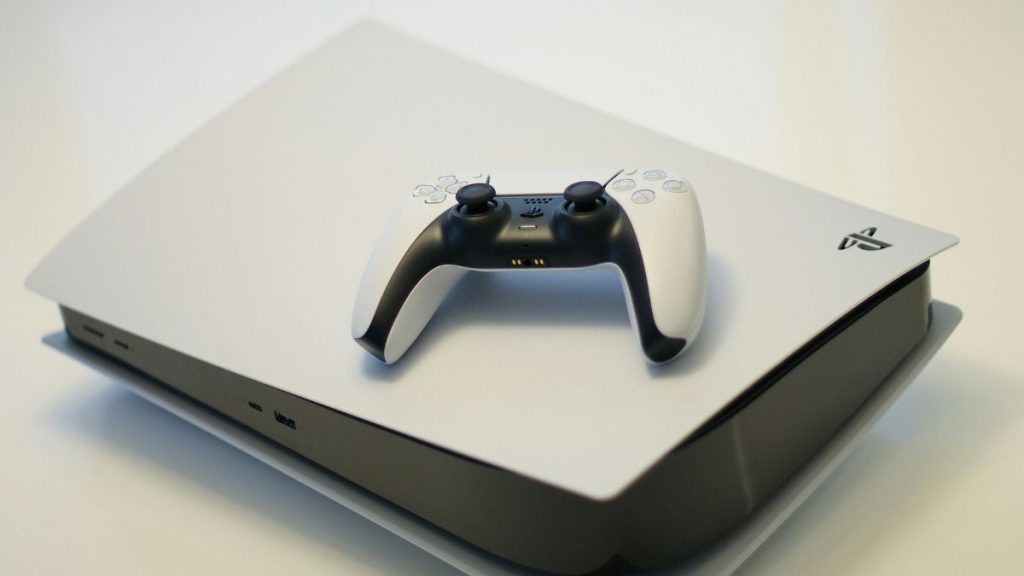
Sony has announced that PlayStation 5 shipments have crossed 93.7 million units worldwide as of March 31, 2026. During the January to March 2026 quarter, Sony shipped 1.5 million PS5 units globally.
While the number is still impressive for a console entering the later stage of its lifecycle, the latest data also shows that PS5 hardware momentum is slowing down. Sony shipped 0.9 million fewer consoles compared to the same quarter last year.
The slowdown was expected to some extent. PS5 is now over five years old, and the console market usually starts stabilizing after the early growth years. But even with slowing hardware sales, Sony’s overall PlayStation ecosystem remains extremely strong.
According to Sony, PlayStation Network now has 125 million monthly active users. That is up by one million users year-over-year. The number shows that PlayStation players are still highly active even if hardware growth is cooling down.
Sony also revealed that PS4 and PS5 software sales combined reached 74.6 million units during the quarter. That figure is slightly down by 1.5 million units compared to last year. First-party game sales stood at 5.8 million units.
The growth of digital game sales is interesting. Sony says 85 percent of software sales were full-game digital downloads. That is up five percent compared to the same period last year. This shows that the gaming industry is moving toward fully digital distribution. However, digital sales are also changing game ownership.
Historically, PS5 has had a very unusual lifecycle. The console launched in late 2020 during the COVID-19 pandemic and faced major supply shortages for almost two years. Despite that difficult launch period, PS5 still managed to recover strongly once supply improved.
Sony’s best PS5 year came during fiscal year 2023, when it shipped nearly 20.9 million units globally. Fiscal year 2024 shipments dropped to 18.5 million units.
Even with slowing sales, the PS5 is still performing very strongly compared to previous PlayStation consoles. Earlier this year, the console officially crossed PS3 lifetime sales.
Now the next major target for Sony is the PlayStation 4, which sold around 117 million units during its lifecycle. Reaching that number will not be easy because PS5 hardware sales are clearly slowing faster than PS4 did at the same stage. Since the most recent games were made available to both PS4 and PS5. So, most gamers don’t find enough reasons to upgrade from PS4 to PS5. The recent price hike due to rising memory costs is also affecting sales. Now, at a new price and a lack of many PS5 exclusive games make this new price harder to justify.
Still, Sony has one major advantage going forward: software and services. This shows that Sony is no longer depending only on console sales. Digital game purchases, subscriptions, live-service titles, and third-party game sales are becoming more important than hardware shipments.
Sony’s own forecast for fiscal year 2026 gives it importance. The company expects gaming profits to remain stable despite planning increased investments in next-generation platform development. Sony also said future PS5 sales will depend heavily on memory pricing and component costs.
Another important factor is upcoming games. Big titles like Grand Theft Auto VI, Marvel’s Wolverine, and other first-party exclusives could still give PS5 another major boost over the next two years. Analysts already expect GTA 6 alone to significantly increase console engagement and software sales.
Related Posts