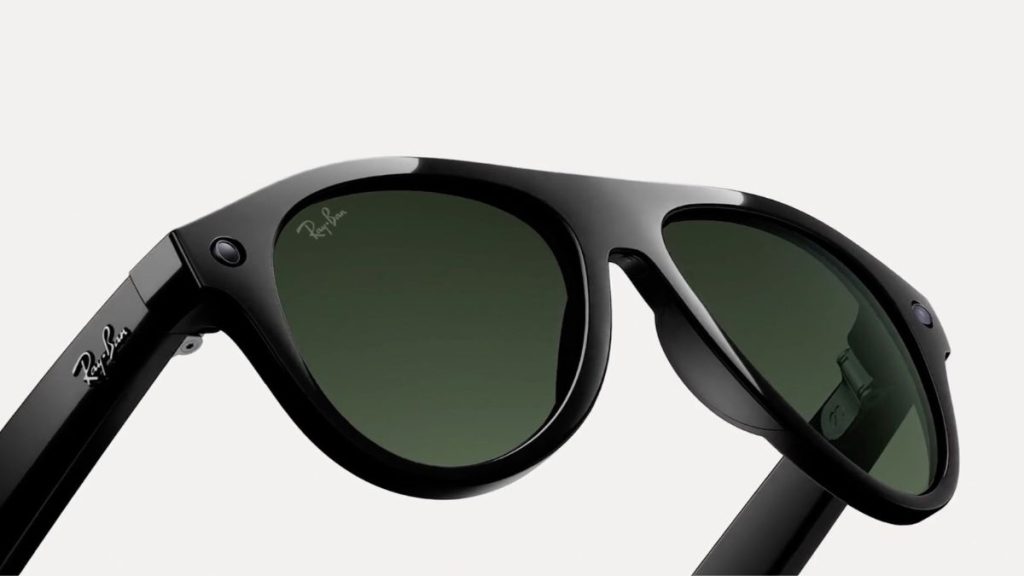
Meta has launched the Ray-Ban Meta Gen 3, the third generation of its camera-equipped smart glasses. The new model keeps the same basic formula as the previous generation, but brings a slimmer design, longer battery life, better microphone performance, a customizable action button and more frame options.
The upgrades are not a complete rethink of the product. Instead, Meta is refining the parts of the Ray-Ban Meta glasses that matter most when using them every day. The Gen 3 gets up to 9 hours of battery life, which is one hour more than the previous generation. Meta has also improved power efficiency to extend usage without significantly changing the overall concept of the glasses.
The glasses are slimmer and now come with professionally adjustable temple tips for a better fit. Meta has also reduced the size of the camera and LED opening by 36%, making the hardware less noticeable on the frame. The LED remains in place to indicate when the camera is being used.
Audio and voice interaction also get an upgrade. The Gen 3 replaces the five-microphone setup on Gen 2 with a six-microphone array that Meta says can cut more than 90% of background noise. This should make voice commands and calls more reliable in noisy or windy environments, although the real-world improvement will depend on how well the microphones perform outside controlled conditions.
There is also a new assignable action button, allowing users to quickly trigger a preferred function instead of relying entirely on voice controls. This is a relatively small addition, but physical controls can make more sense for a wearable where users may not always want to speak commands aloud.
The camera hardware remains familiar. Gen 3 has a 12-megapixel camera and can record 3K Ultra HD video. Meta is also adding Dynamic Photos, which capture multiple frames so users can select the better moment later. A future software update will add Dolby Atmos and 360-degree spatial audio recording for videos.
Meta is also expanding the design choices significantly. The Gen 3 range comes in Aviator, Zena and Wayfarer styles, with 27 colour and lens combinations. There is also a limited-edition Aviator marking the 90th anniversary of the Ray-Ban Aviator. Prescription lenses are supported as well.
The Ray-Ban Meta Gen 3 starts at $449. That puts it $100 above the new Ray-Ban Meta Audio, which removes the camera and focuses on audio and AI.
Compared with Ray-Ban Meta Gen 2, the improvements are fairly straightforward. You get an extra hour of battery life, one additional microphone, a slimmer frame, better adjustability, a new physical control and more styles. The camera remains a 12MP unit, so Meta has not made a dramatic camera hardware upgrade with this generation.
That makes Gen 3 more of an evolution than a major hardware reset. Meta appears to be concentrating on making its existing smart glasses more comfortable and useful rather than changing what they are. The more interesting shift is happening alongside them with Ray-Ban Meta Audio, which removes the camera altogether and gives Meta a second approach to smart glasses.
For people who already like the camera and hands-free capture features of Ray-Ban Meta, Gen 3 adds several practical improvements without changing the basic experience. But for existing Gen 2 owners, the one-hour battery increase and smaller hardware may not be enough on their own to make this feel like a completely new generation.
Related Posts