


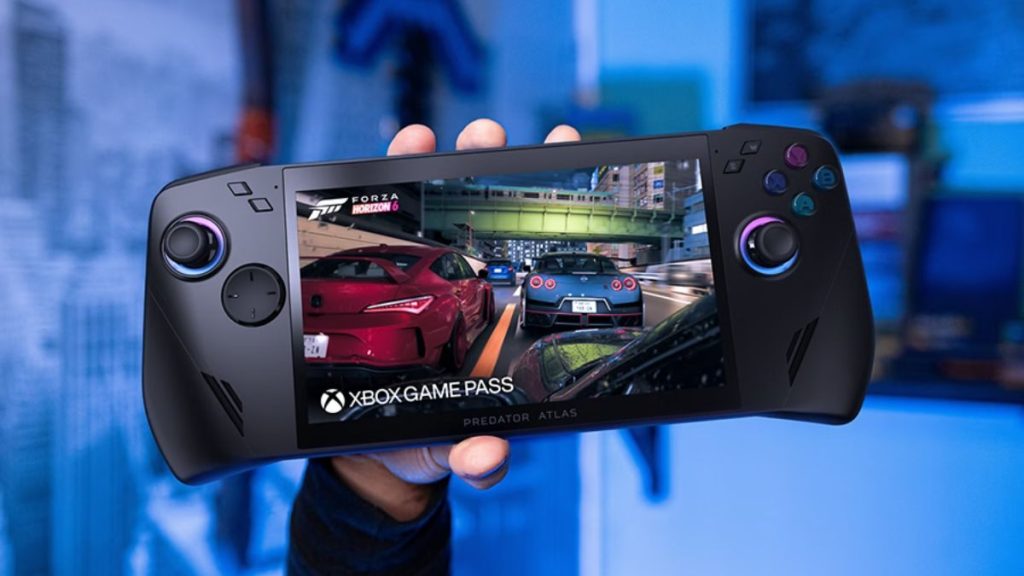
Acer has announced the Predator Atlas 7 at IFA 2026, adding a smaller option to its new generation of gaming handhelds. The device follows the Predator Atlas 8, which the company unveiled in May, and keeps most of the same hardware while switching to a smaller 7-inch display.
The Atlas 7 has a 7-inch Full HD IPS display with a 120Hz refresh rate, 500 nits brightness, and 100% sRGB coverage. The larger Atlas 8 uses an 8-inch 1920 x 1200 panel, so the main display change is not just the size but also the slightly lower resolution.
Also Read: The Gaming Handheld Revolution: Why Portable Gaming Is Taking Over
A 1080p screen is not necessarily a bad choice for a gaming handheld. The lower resolution puts less pressure on the GPU, which can be useful when running demanding PC games. However, Acer has stayed with IPS rather than using OLED, which is becoming more common on premium handhelds. An OLED panel would have made the smaller Atlas 7 more interesting, especially if Acer is targeting the higher end of the market.
The smaller display also reduces the overall weight. Acer says the 60Wh version weighs under 700 grams, compared with under 770 grams for the equivalent Atlas 8 configuration. That is a modest reduction, but it could make a difference during longer gaming sessions.
The Predator Atlas 7 will be available with Intel Arc G3 and Arc G3 Extreme graphics. The higher-end configuration uses Intel’s B390 integrated GPU. This is arguably more important than the change in screen size. Intel is trying to establish its Arc graphics as a serious alternative to AMD’s integrated graphics in gaming handhelds, and the B390-based configuration should be capable of running a range of modern games at 1080p with appropriate settings.
However, buyers should not expect desktop-level performance from an integrated GPU simply because the device carries a new graphics architecture. Demanding AAA games will still require compromises in graphics settings, resolution, or upscaling.
The 1080p panel could actually work in Acer’s favor here. There is little benefit in having a higher-resolution display if the hardware has to sacrifice frame rate to drive it.
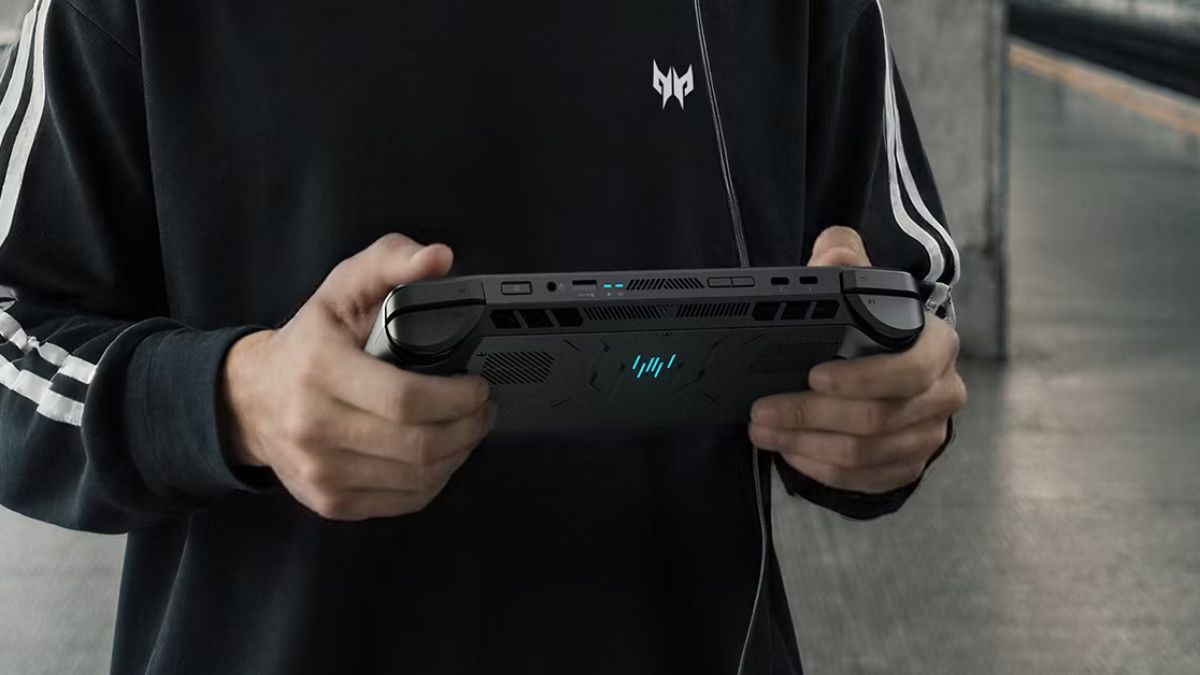
Acer has retained a standard 2280 M.2 SSD slot despite the smaller chassis. There is also a microSD card slot for additional storage.
Read: ROG Xbox Ally vs ROG Xbox Ally X: Which Handheld Gaming Device Should You Choose?
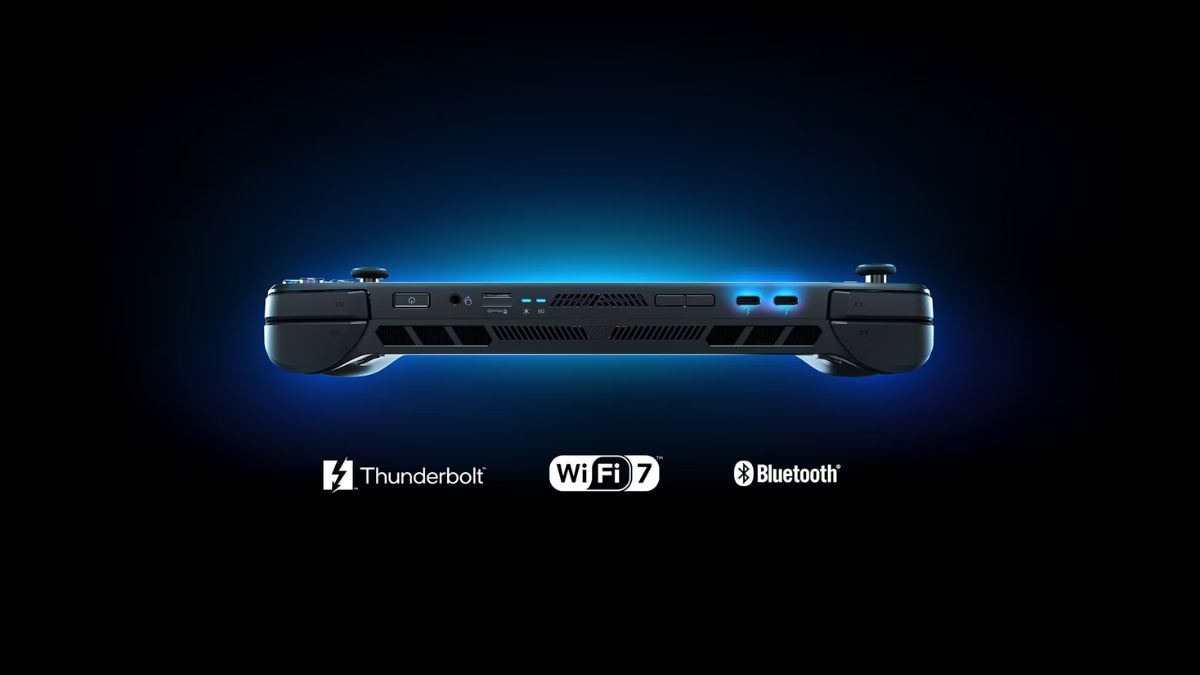
The Atlas 7 has two Thunderbolt 4 ports, allowing users to connect external storage, displays and other peripherals. It also supports Wi-Fi 7 and comes with dual speakers with DTS Virtual:X.
The handheld will be available with up to 24GB of LPDDR5x RAM and an 80Wh battery. Acer has not provided detailed battery-life figures, so the larger battery capacity alone does not tell us how long the device will last during actual gaming.
The 60Wh version should be the more interesting option for people who care about weight, while the 80Wh configuration makes more sense for users who are willing to carry a heavier device for potentially longer gaming sessions.
Acer has not announced pricing or availability for the Predator Atlas 7. That makes it difficult to judge where the device fits against competing handhelds. The premium Windows handheld market already includes options such as the ASUS ROG Xbox Ally X and Lenovo Legion Go, while the Steam Deck continues to cover the more affordable end of the market.
The Atlas 8 launched in the UK at £999.99, which gives us some indication of where Acer wants its new handheld lineup positioned. Since the Atlas 7 shares much of its hardware with the larger model, I would not expect a dramatic price cut simply because of the smaller display.
If the Atlas 7 is significantly cheaper, its lower weight and 1080p display could make it a sensible alternative to the Atlas 8. But if the price remains close to its larger sibling, the 8-inch screen may be worth the extra money for many buyers.
Related Posts


