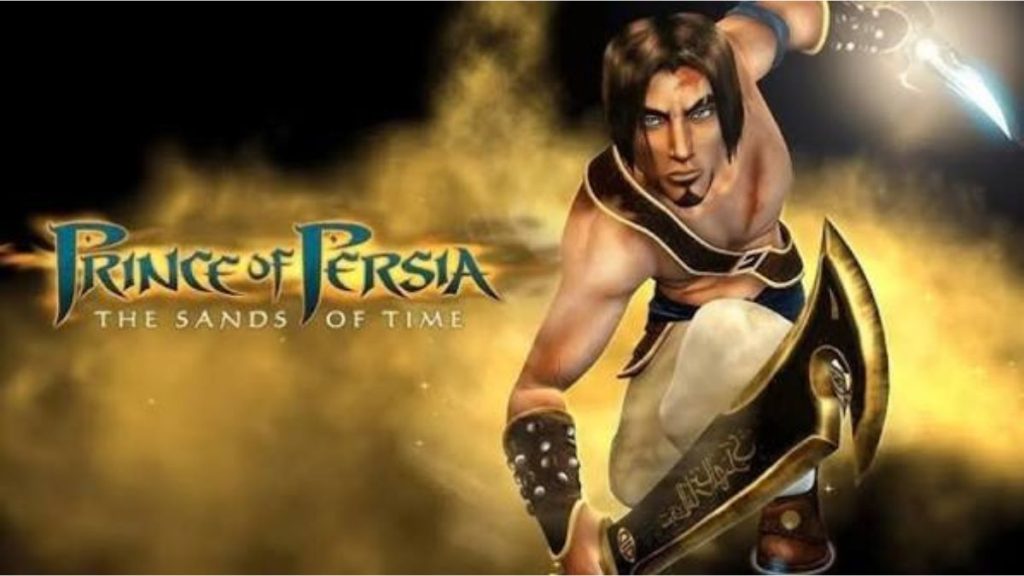
Prince of Persia: The Sands of Time is getting something Ubisoft could not deliver. Not a remake, not a remaster, but a proper way to play the 2003 classic on today’s PCs.
GOG has added The Sands of Time to its Preservation Program and released a major technical update for the game. The update addresses compatibility with modern hardware and operating systems while adding features that were simply not possible when the game was designed for early 2000s PCs.
The timing makes this interesting. Ubisoft cancelled its long-running The Sands of Time remake in January 2026 during a broader restructuring. GOG had already indicated that it wanted to preserve the original, and it has now delivered on that promise.
The original The Sands of Time was built around a fixed-frame-rate engine and 4:3 displays. Those assumptions can create problems on modern hardware and displays.
GOG has built a lightweight DirectX wrapper around the original game rather than changing the game itself. It handles the compatibility issues between the old Scimitar engine and modern PCs.
The update adds native widescreen and ultrawide support, camera scaling that adjusts the field of view, an FPS limiter and an option to lock the mouse to the game window when using multiple monitors. GOG has also added an in-game overlay and improved modern hardware compatibility.
The frame-rate fix is particularly important because the game’s physics were tied to its original frame timing. GOG says it was able to use the game’s precise timing information to cap physics ticks at 60 FPS while still allowing players to adjust the frame limit. This is the kind of technical work that is easy to overlook when an old game is described as simply “compatible” with a modern PC.
That distinction matters. A game launching on Windows is not necessarily a game that has been properly preserved.
The most interesting part of GOG’s work is not the widescreen support or the FPS limiter. It is the technology behind them. GOG says the wrapper architecture created for The Sands of Time is designed as a game-agnostic solution. That means parts of the same approach could potentially be reused for other older DirectX games instead of starting the technical investigation from scratch every time.
If GOG can make that approach work across a wider range of games, its Preservation Program could become much more scalable.
That is important because PC game preservation has a problem that goes beyond simply keeping old game files available. Older games were built around specific versions of Windows, graphics APIs, display ratios, input devices and hardware behaviour. As those things disappear, the original software can become increasingly difficult to run correctly.
A reusable compatibility layer gives GOG a way to deal with some of those problems without turning every preservation project into a completely separate engineering exercise.
It is still too early to know how broadly GOG can apply this system. But The Sands of Time is a useful demonstration of the direction the company appears to be taking.
What GOG’s Preservation Program actually does?
GOG’s Preservation Program exists to keep classic PC games playable on modern systems. The company does not simply sell an old executable and leave players to figure out compatibility problems themselves. It works on fixes and updates, and says preserved games can receive continued support when future hardware or operating system changes cause new problems.
That makes the program more significant than a retro catalogue.
A game can remain commercially available for decades and still effectively disappear if the hardware and software needed to run it are no longer practical. Preservation is about maintaining that link between the original game and the systems people actually use.
GOG has already used this approach for games such as Dragon Age: Origins, System Shock 2 and The Elder Scrolls III: Morrowind. The Sands of Time is another important addition because of both its popularity and the technical problems involved in keeping it functional on current PCs.
This is the kind of preservation PC gaming needs
There is a strong commercial argument for publishers to revisit successful old games, but preservation is a different job. Many games are never valuable enough to justify a remake or remaster, yet they can still be historically important.
That is where GOG’s model makes sense.
If the company can develop reusable tools for dealing with old engines and APIs, it could preserve a much larger part of PC gaming history without requiring every game to receive a full remaster. The goal should not be to make a 2003 game look like a 2026 game. It should be to make the original game accessible on a 2026 PC without forcing players to become compatibility experts.
The Sands of Time is a good example of that philosophy. The game itself has not needed to change much. The technology around it did.
The updated version is currently available on GOG for $2.99, with a 70% discount running until August 23, 2026.
Related Posts