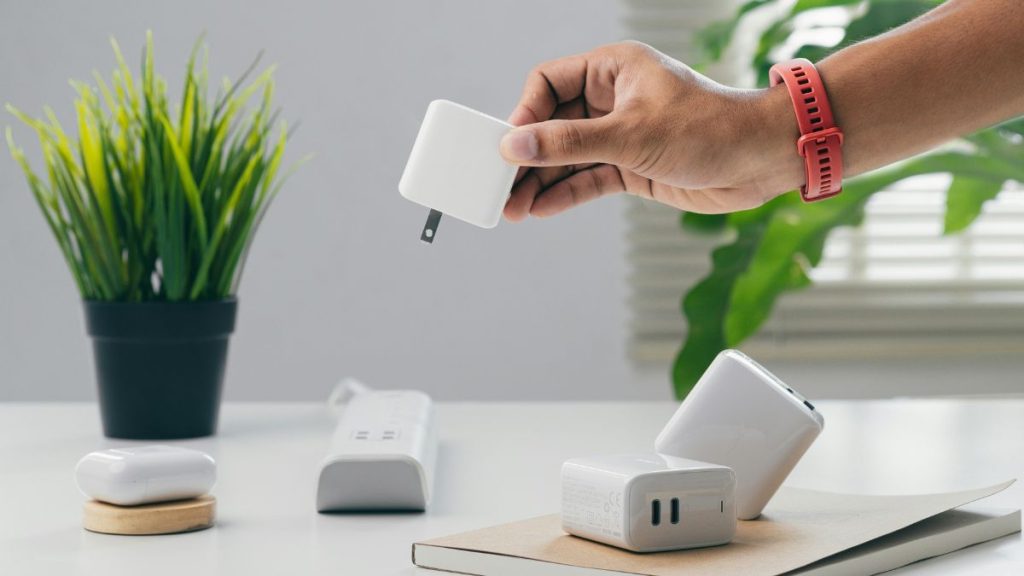
Your phone is your lifeline during workouts, hikes, and daily commutes—but keeping it both stylish and protected feels like an impossible balancing act. A sleek, slim case preserves the elegant design you paid for, while rugged shock-absorbing corners guard against the inevitable drops that come with an active lifestyle. Adding to this equation is the dual port PD fast charger, an essential accessory for anyone juggling multiple devices and tight schedules. When your phone case choice directly affects how well your charger connects and how safely your device survives a tumble off the gym bench, the decision becomes more than cosmetic. This article dives into the real trade-offs between slim phone cases and those built with shock-absorbing corners, examining how each interacts with fast charging setups and the demands of physically active users. Whether you prioritize pocket-friendly profiles or military-grade drop protection, understanding these differences will help you build a phone setup that keeps pace with your life without sacrificing style or safety.
Understanding Dual Port PD Fast Chargers and Their Role
A dual port PD fast charger is a power adapter equipped with two USB ports—typically one or both supporting Power Delivery (PD) protocol—that can simultaneously charge multiple devices at accelerated speeds. Unlike standard chargers that trickle power at 5W or 10W, PD chargers negotiate with your device to deliver optimal wattage, often reaching 20W, 30W, or higher depending on the model. This means your phone can go from dead to 50% in roughly 30 minutes, and you can charge your earbuds or smartwatch on the second port at the same time.
For active lifestyle users, this matters enormously. You’re heading out for a morning run with your phone at 15% and your wireless earbuds blinking red. A dual port PD charger eliminates the need to choose which device gets priority—both charge simultaneously and quickly. There’s no waiting around, no swapping cables mid-routine, and no anxiety about dying batteries during a long hike or gym session. The compact form factor of most dual port PD chargers also makes them travel-friendly, fitting easily into gym bags, backpacks, or even jacket pockets. When paired with the right phone case, this charging setup becomes a seamless part of your daily routine rather than an afterthought that slows you down.
Why Active Users Need Reliable Charging Solutions
Physical activity introduces variables that sedentary phone use simply doesn’t. Vibrations from running, sweat near charging ports, and the constant risk of your phone sliding off a locker room bench all threaten both your device and your charging routine. A phone that falls mid-charge can damage the cable connection, bend the port, or crack the screen—turning a simple top-up into an expensive repair. This is where phone protection and charging reliability intersect directly. Active users need cases that keep their devices secure during charging, whether the phone is balanced on a gym ledge or plugged in at a trailhead outlet. The right case ensures the charging port remains accessible and aligned while simultaneously protecting against the bumps and drops that are inevitable when you’re moving through your day at full speed.
Slim Phone Cases: The Appeal of Minimalist Design
Slim phone cases strip away bulk to preserve the original silhouette of your device. They typically measure between 0.35mm and 1.5mm in thickness, adding virtually no weight and maintaining the tapered edges and smooth contours that phone manufacturers spent years perfecting. For users who appreciate clean aesthetics, a slim case feels less like armor and more like a second skin—something that enhances rather than obscures the phone’s industrial design.
The ergonomic advantages extend beyond looks. A thinner case means your thumb can reach further across the screen without awkward stretching, making one-handed use during walks or between sets at the gym far more comfortable. The reduced profile slides in and out of tight pockets, running armbands, and compact gym bags without catching or adding unnecessary heft. For anyone who already carries keys, earbuds, a water bottle, and a charger, every millimeter of saved space matters.
Materials like polycarbonate, aramid fiber, and ultra-thin TPU deliver scratch resistance and a degree of impact absorption without the visual bulk. Many slim cases also feature micro-dot patterns on the interior to prevent moisture buildup—a practical touch for sweaty post-workout hands. However, the trade-offs are real. Slim cases generally offer minimal corner protection, meaning a direct drop onto concrete from waist height can still crack a screen or dent a frame. They prioritize everyday scratch and scuff prevention over serious impact resistance, which puts active users in a difficult position when their lifestyle regularly exposes devices to higher-risk scenarios. The question becomes whether the daily comfort and aesthetic payoff justifies the vulnerability during those critical moments of impact.
Integrating Slim Cases with Dual Port PD Chargers
One genuine advantage of slim cases is charging compatibility. Because they add so little material around the charging port, cable connectors seat fully and securely without obstruction. This matters when you’re using a dual port PD charger that negotiates higher wattages—a loose or partially inserted connector can interrupt the PD handshake, dropping your charge speed back to standard 5W levels. Slim cases virtually eliminate this concern. When selecting a slim case for use with fast charging setups, look for precise port cutouts rather than oversized openings, as tighter tolerances prevent dust and lint from accumulating in the port area. Also verify that the case’s bottom edge doesn’t create a lip that forces you to angle the cable, which can stress both the connector and port over time. For wireless charging through a dual port PD charger with a Qi-compatible pad, slim cases pose almost no interference—their minimal thickness stays well within the effective charging distance of most wireless pads.
Shock-Absorbing Corners: Maximizing Protection for Active Lifestyles
Shock-absorbing corners use engineered air pockets, flexible thermoplastic polyurethane, or multi-layer composite materials to dissipate kinetic energy during impacts. When a phone hits the ground, it almost always lands corner-first—physics dictates that the point of least surface area absorbs the most concentrated force. Cases designed with reinforced corners address this reality by creating dedicated crumple zones that compress on impact, spreading the energy across a wider area before it reaches the phone’s frame or glass. Think of it as a helmet for your phone’s most vulnerable points.
The engineering behind these corners varies. Some cases use hollow air-cushion chambers that collapse progressively, absorbing successive layers of shock. Others incorporate dense silicone inserts at each corner that flex without permanently deforming, ready to protect again after the first drop. Advanced designs combine a rigid polycarbonate shell with a soft inner liner, creating a dual-layer system where the outer shell resists penetration and the inner layer absorbs vibration. Many of these cases meet military drop-test standards (MIL-STD-810G), surviving repeated falls from 4 to 6 feet onto steel surfaces without transmitting damaging force to the device inside.
For active users, this level of protection directly translates to peace of mind. Your phone tumbling from a treadmill, slipping from sweaty hands during a cool-down stretch, or bouncing off a rocky trail surface during a hike—these aren’t hypothetical scenarios, they’re weekly occurrences. Shock-absorbing corners handle these moments without requiring you to think twice. The trade-off, of course, is added bulk. These cases typically add 2mm to 4mm of thickness at the corners and create a raised lip around the screen and camera module. This extra material can make the phone feel substantially larger in hand and slightly more cumbersome in tight pockets or minimalist running belts. Yet for anyone whose lifestyle regularly puts their device in harm’s way, the added millimeters represent a worthwhile investment against repair bills that can easily exceed the cost of dozens of cases.
Case Studies: TORRAS Protection and Its Innovations
TORRAS has carved out a reputation for bridging the gap between robust protection and thoughtful design. Their cases frequently feature what the brand calls “X-Shock” technology—a geometric pattern of air cushions built into the internal structure that distributes impact force across the entire case rather than concentrating it at the point of contact. This approach allows them to keep overall case thickness relatively restrained while still delivering meaningful corner protection. Their Guardian series, for example, pairs military-grade shock absorption with a semi-translucent back panel that lets the phone’s original color show through, addressing the common complaint that protective cases completely hide the device’s aesthetics. TORRAS also pays attention to tactile details that matter for active users—textured side grips that maintain hold even with damp hands, and slightly recessed button covers that provide satisfying click feedback without requiring excessive pressure. Their port cutouts tend to be precisely engineered, maintaining full compatibility with most charging cables and dual port PD charger setups without requiring users to remove the case. This combination of protection engineering and user-centered design makes their products particularly relevant for anyone seeking shock-absorbing performance without accepting the full aesthetic penalty that typically accompanies rugged cases.
Ergonomic Design: Balancing Comfort and Functionality
Ergonomic design in phone cases goes beyond simple aesthetics—it’s about how the case interacts with your hand during extended use, how it affects your grip during movement, and whether it creates fatigue over hours of holding. The best ergonomic cases consider the natural curvature of your palm, the resting position of your fingers, and the pressure points that develop during one-handed operation. For active individuals, these factors intensify. A case that feels fine during a five-minute scroll becomes uncomfortable during a thirty-minute treadmill session where you’re gripping your phone to change playlists or track your pace.
Contoured edges that taper toward the screen give your fingers a natural ledge to grip without requiring excessive squeeze force. Textured side panels—whether through micro-grooves, matte finishes, or soft-touch coatings—prevent slippage when hands are damp from exertion. Weight distribution also plays a critical role; a case that adds protection primarily at the corners rather than uniformly across the back keeps the center of gravity closer to where your fingers naturally support the device, reducing the torque that causes hand strain.
The intersection of ergonomics and charging functionality deserves attention too. Cases with rounded bottom edges allow your thumb to naturally guide a charging cable into the port without visual confirmation—useful when you’re plugging in your dual port PD charger in a dimly lit bedroom after an evening run. Raised button covers with tactile feedback mean you can adjust volume or lock your screen mid-stride without breaking focus. Ultimately, ergonomic design transforms a phone case from passive protection into an active enhancement of how you interact with your device throughout every physical and digital demand of your day.
Practical Solutions: Choosing the Right Phone Case for Your Needs
Making the right choice between slim design and shock-absorbing protection doesn’t require guesswork—it requires honest self-assessment and a systematic approach. By walking through a few key considerations, you can land on a phone case that complements your dual port PD charger setup and matches the physical demands of your routine.
Start by assessing your lifestyle and charging habits. Ask yourself how often your phone is genuinely at risk of drops versus how often you’re simply carrying it in controlled environments. If you hit the gym three times a week but spend the rest of your time at a desk, your risk profile differs dramatically from someone who trail runs daily or works on construction sites. Similarly, consider where and how you charge—if you frequently plug in at crowded coffee shops, gym outlets, or shared airport stations where your phone might get bumped, protection around the port area becomes more critical than if you charge exclusively on your nightstand.
Next, evaluate which features deserve priority. If drops happen rarely but pocket comfort matters every single day, a slim case delivers consistent daily value against an infrequent risk. If you’ve already cracked a screen this year or regularly find yourself in situations where your phone could fall onto hard surfaces, shock-absorbing corners pay for themselves after preventing a single repair. There’s no universal right answer—only the answer that matches your actual patterns.
Third, verify compatibility with your dual port PD charger before purchasing. Check that the case’s port cutout accommodates your specific charging cable without requiring removal. Some thicker protective cases work perfectly with standard USB-C connectors but create issues with shorter or wider third-party plugs. If you use wireless charging through a PD-compatible pad, confirm that the case thickness falls within the pad’s effective range—generally under 5mm for reliable energy transfer.
Finally, prioritize ergonomic enhancements that serve your specific activities. Runners benefit from textured grips and lightweight profiles. Gym users need cases that won’t slide off flat surfaces. Hikers want corner protection paired with a secure grip for one-handed map checking on uneven terrain. Use this checklist when shopping: port accessibility confirmed, grip texture appropriate for your conditions, weight acceptable for your carry method, protection level matched to your actual drop frequency, and wireless charging compatibility verified if applicable.
Top Recommendations for Active Lifestyle Users
For users who refuse to compromise entirely in either direction, hybrid cases represent the sweet spot. Brands like TORRAS offer designs that maintain a relatively slim profile while concentrating protective material specifically at the corners—giving you the best of both philosophies rather than forcing an all-or-nothing choice. Look for cases featuring raised bezels around the screen and camera, air-cushion corner technology, and textured side rails that enhance grip without adding uniform bulk. Anti-yellowing materials ensure the case maintains its appearance over months of exposure to sweat and UV light. Most importantly, confirm that any case you choose preserves full, unobstructed access to the charging port, ensuring your dual port PD charger delivers its maximum negotiated wattage every time you connect.
Matching Your Case and Charger Setup to Your Active Lifestyle
The choice between a slim phone case and one built with shock-absorbing corners ultimately comes down to how you live, move, and charge your devices each day. A dual port PD charger solves the power problem elegantly—delivering fast, simultaneous charging that keeps pace with demanding schedules—but its effectiveness depends partly on the case wrapped around your phone. Slim designs offer unmatched daily comfort, effortless pocket carry, and flawless charging port access, making them ideal for users whose routines involve moderate risk and maximum style. Shock-absorbing corners, on the other hand, deliver genuine peace of mind for anyone whose phone regularly faces hard surfaces, sweaty hands, and unpredictable environments where a single drop could mean a shattered screen.
Ergonomic design bridges these two worlds, and brands like TORRAS demonstrate that you don’t always have to sacrifice one for the other. The smartest approach is honest assessment—track your actual drop frequency, evaluate where and how you charge, and match your case choice to real patterns rather than hypothetical scenarios. Your phone setup should work as hard as you do, protecting your investment while never slowing you down. Make the choice that fits your life today, and revisit it as your habits evolve.
Related Posts