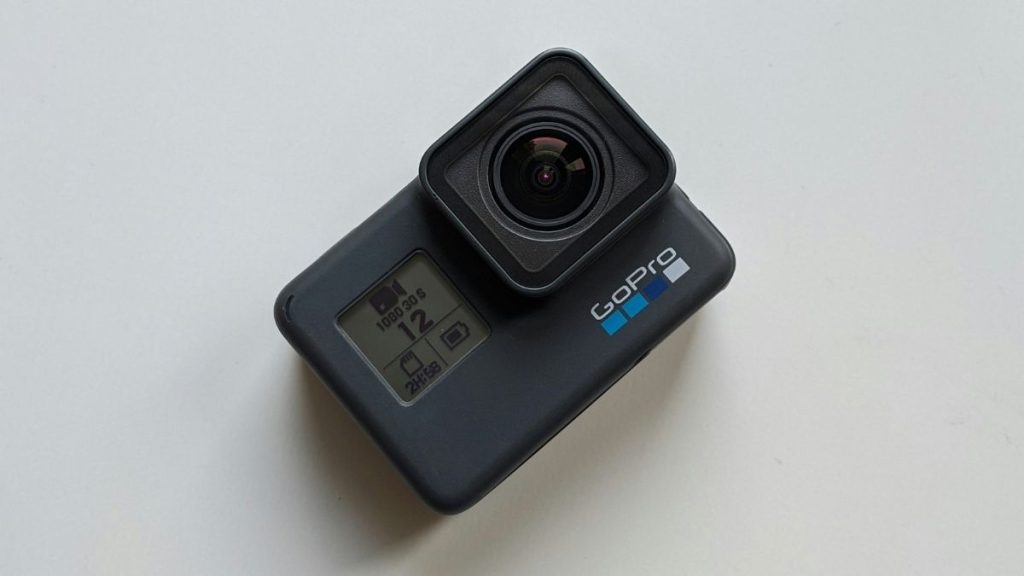
GoPro is about to become a very different company. The action-camera pioneer has agreed to merge with Starman Optical in a deal worth $285 million. GoPro shareholders will receive $1.14 per share in cash and will retain about 10% of the combined company. The deal is expected to close by the end of 2026, subject to shareholder and regulatory approval.
The deal also solves GoPro’s most immediate problem. The company has around $92 million in outstanding debt, which will be paid off when the transaction closes. That will leave the combined company with a substantially debt-free balance sheet.
But this is not a simple rescue deal for a struggling camera brand. Starman Optical is an optical-photonics company that develops optical transceivers. These devices convert computer data into light signals so information can move quickly through fiber-optic networks. That makes them an important part of the infrastructure being built for AI data centers.
This gives GoPro a completely new business opportunity. GoPro says the combined company will expand into AI data centers, government, defense, robotics and aerospace, while continuing to sell its existing consumer products. Starman also wants to use GoPro’s imaging and optics technology alongside its own optical transceiver business and U.S. manufacturing capabilities.
That is a major change from the GoPro most consumers know. GoPro became one of the biggest names in action cameras after going public in 2014. But the company struggled to maintain that momentum. Attempts to expand into products such as drones and 360-degree cameras did not produce the growth GoPro wanted, while competition in the action-camera market became tougher.
The company eventually focused on its core cameras and subscription business, but financial pressure continued. GoPro also went through multiple rounds of layoffs as it reduced costs.
Things became serious this year. GoPro had warned that its financial situation created substantial doubt about its ability to continue as a going concern. Founder and CEO Nicholas Woodman then provided $20 million in financing in July while the company explored strategic options, including a possible sale or merger. The Starman deal now gives GoPro a way forward.
It is also worth noting that GoPro is not disappearing as a public company. The company will remain listed on Nasdaq, and GoPro says it will continue supporting its existing cameras, subscription services and cloud platform. It also plans to invest in a broader product roadmap.
So, what does this mean for someone who owns a GoPro or is planning to buy one?
For now, probably not much.
GoPro has specifically said it will continue supporting its consumer products. There is no announcement that existing cameras will stop receiving software updates, accessories will disappear or the GoPro brand will be abandoned. The company is also expected to continue developing consumer products alongside its new commercial and defense ambitions.
The bigger question is what happens over the next few years.
GoPro has more than 2,500 U.S. patents covering imaging and optics. Starman believes that technology can be useful beyond consumer cameras, particularly in defense, robotics, aerospace and AI infrastructure.
The companies also want to move more optical manufacturing to the United States. Starman is already developing a manufacturing operation in New Jersey, and the combined company plans to use that platform for strategic products.
This could turn GoPro from a company that mainly sells cameras into a much broader imaging and optical technology company.
There is still plenty of uncertainty, though. Starman Optical is a relatively new company, so there is not a long track record showing whether this strategy will work. The success of the deal will depend on whether Starman can actually turn GoPro’s technology and patents into meaningful new businesses.
Related Posts