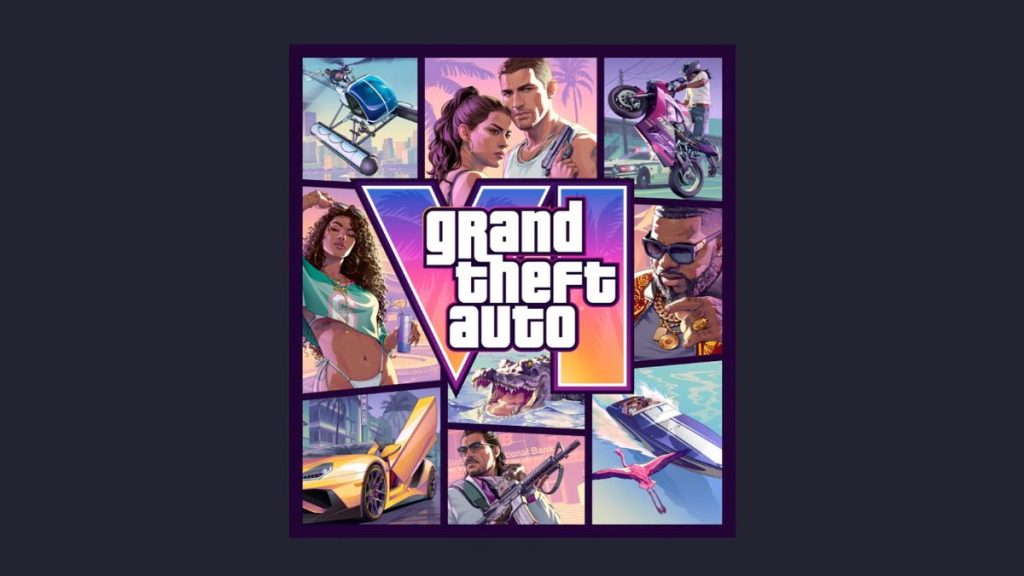
Rockstar Games has confirmed that GTA 6 physical copies will not include a disc. Instead, the box will contain a download code that lets you install the game digitally. So you still get a retail package, but the actual game is not stored inside it anymore.
Even if it seems like a small change in distribution. But it also raises a simple question that many players are already asking in different ways. What exactly are we buying when we buy a physical copy of a game now?
From the publisher’s side, this decision is not difficult to understand. Modern AAA games are extremely large. GTA 6 is expected to follow the same trend, where file sizes easily cross 100GB and continue growing after launch through updates and patches. In that situation, a disc does not really carry the full game in most cases. Even when you install from disc, you still end up downloading a large part of the game on day one.
So the disc is no longer the main source of the game data. It is more like a starting point.
There is also the issue of leaks. GTA 6 is one of the most closely watched games in history. Even small leaks create massive online discussion, spoilers, and speculation. Physical discs sitting in warehouses or reaching retail stores early create a weak point in the release process. Once a disc is out in the wild, it can be accessed before the official unlock time. A code-based system avoids that because the actual game cannot be played until Rockstar activates it.
Another factor is distribution. Printing discs, shipping them across regions, and managing physical stock is expensive and slower compared to digital delivery. When a large part of the player base already prefers downloading games, publishers naturally lean towards systems that reduce delay and overhead.
From the player side, the experience feels different. Earlier, buying a disc meant you had something complete in your hands. You could install it, keep it, and it would still work even years later without depending on online stores. There was a sense that the game existed in a fixed form.
With a code inside a box, that idea changes completely. Gamers still get the box, but the game lives entirely online. If the account is lost, if the platform changes policies, or if servers are discontinued at some point in the future, access can become uncertain. It does not affect gameplay today, but it does change how long-term access works.
This is where the larger discussion about digital ownership becomes relevant again. I have already written about how buying digital games does not always mean full ownership in the traditional sense. The GTA 6 case is similar, but it makes the situation more visible because it is happening at the retail level, not just digital storefronts.
However, it is also important to note that the industry is already moving in this direction regardless of one title. Even games that ship on discs today often require large downloads and online verification. I have already explained how the disc version is just an installer, and gamers still need to download a large part of the game.
There is also a practical argument in favor of this change in strategy. Digital distribution allows faster updates, preloading, and global launch synchronization. It reduces regional delays and helps developers patch issues immediately after release. For a massive game like GTA 6, this flexibility is almost necessary to manage scale and stability.
Still, the emotional and collector value of physical discs is not the same as utility. Many players still value game boxes as memorabilia. They represent ownership in a way that a digital license does not fully replace. Removing the disc changes that experience, even if the end result is still access to the same game.
So what we are really seeing is not the disappearance of physical editions, but a redefinition of them. The box remains, but its function is shifting from storage to an access token and a collector’s item.
GTA 6 simply brings this transition into one of the most visible releases in gaming history. And because of that scale, it naturally triggers a wider conversation about what players are actually buying when they purchase a “physical” game today.
Related Posts